Why Is My Furnace Leaking Water? Causes, Fixes, and When to Call

Furnace leaking or dripping water? The four common causes, what you can check yourself, and when it's a call-a-technician problem.
learn more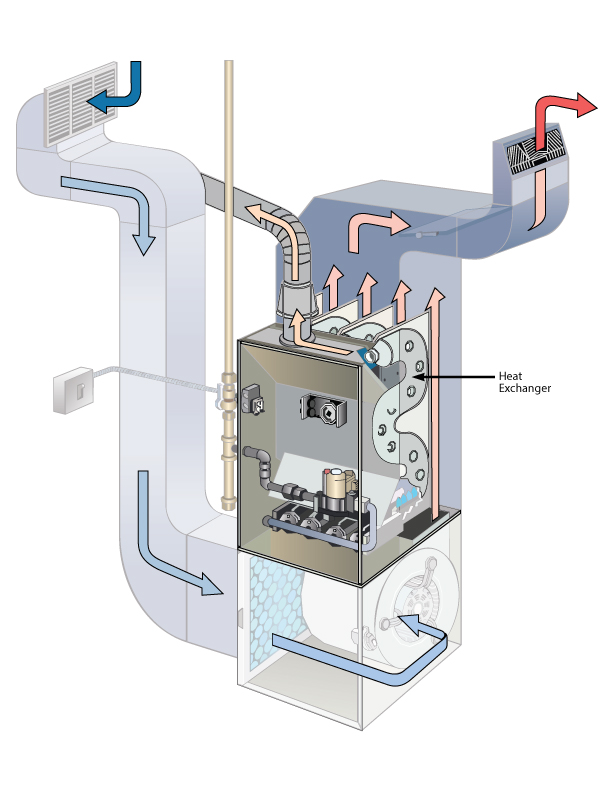
Water pooling under the furnace almost always comes from one of four places: a clogged condensate drain, a failed condensate pump, the air conditioner's coil sitting on top of the furnace, or a whole-home humidifier. None of them are emergencies in the first hour, but all of them get more expensive the longer they run. Here's how to tell which one you have.
Why is my furnace leaking water?
A high-efficiency (condensing) furnace produces water as a normal byproduct of burning gas — up to a gallon or more per hour on a cold day — and it has to drain somewhere. When that drain path is blocked, cracked, or pumped uphill by a pump that quit, the water ends up on the floor. If you have a standard-efficiency furnace with a metal flue, the furnace itself doesn't make water, so the leak is coming from something attached to it.
Is it the condensate drain line?
This is the most common cause by a wide margin. Condensate is slightly acidic and carries dust from the combustion air, so over a season it grows a slimy clog inside the PVC drain or the trap. Water backs up, overflows the trap or the collector box, and drips from the bottom of the furnace cabinet.
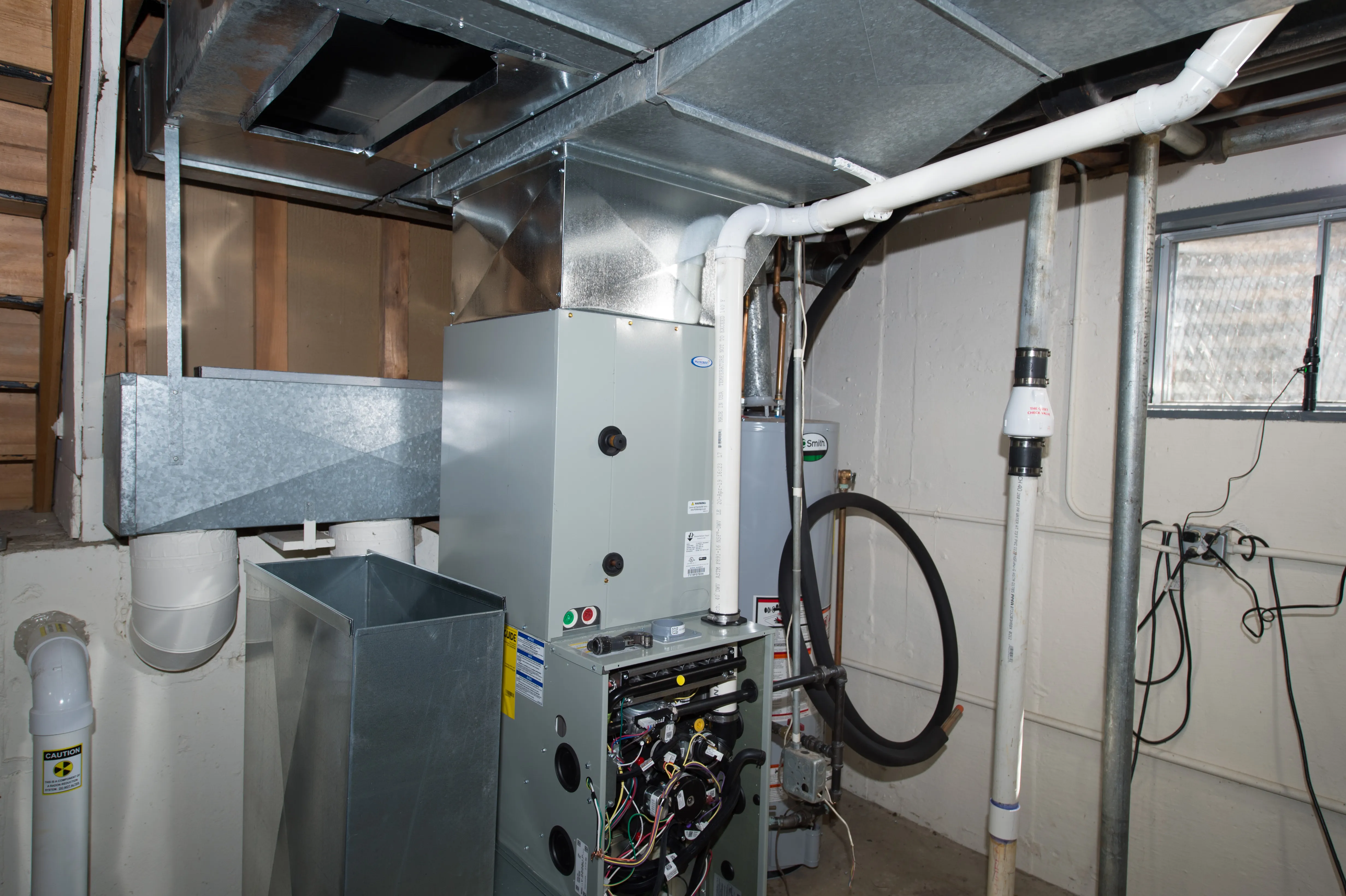
Look for the small white PVC line leaving the furnace and going to a floor drain, utility sink, or pump. If you see water dripping from where that line connects to the furnace, or the line is dry while the furnace is running, it's clogged.
Is the condensate pump broken?
If your furnace is in a basement without a nearby floor drain, a small plastic box next to it (the condensate pump) collects the water and pushes it up and out. When the float switch sticks or the pump motor dies, the reservoir overflows onto the floor — and the puddle is next to the furnace rather than under it.
Check that the pump is plugged in and that the outlet is live. Lift the lid; if the reservoir is full and the pump isn't running, the pump has failed. Many pumps have a safety wire that shuts the furnace off when the reservoir overfills, which is why a bad pump can also show up as "the furnace stopped working."
Could it be the air conditioner, not the furnace?
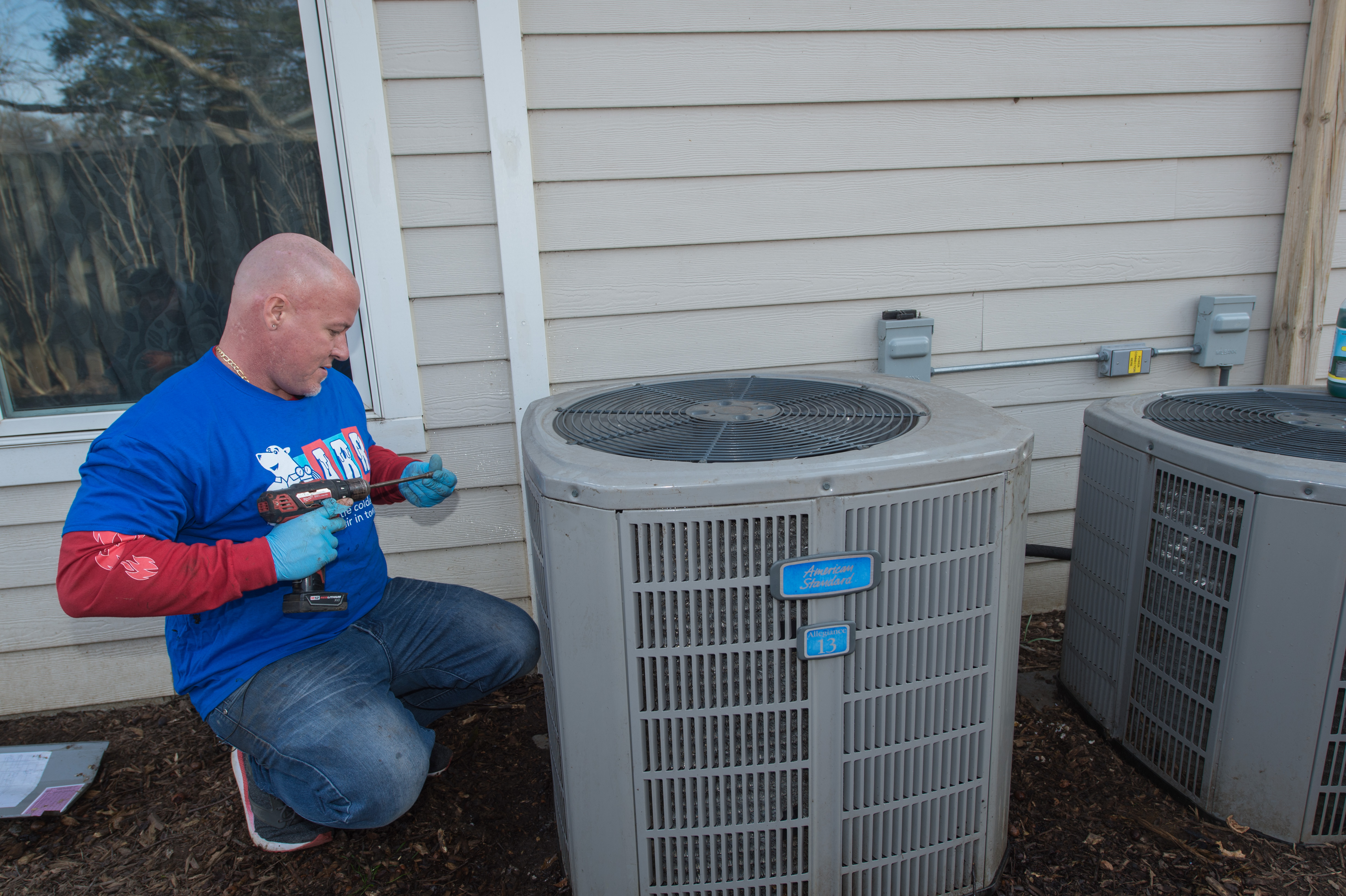
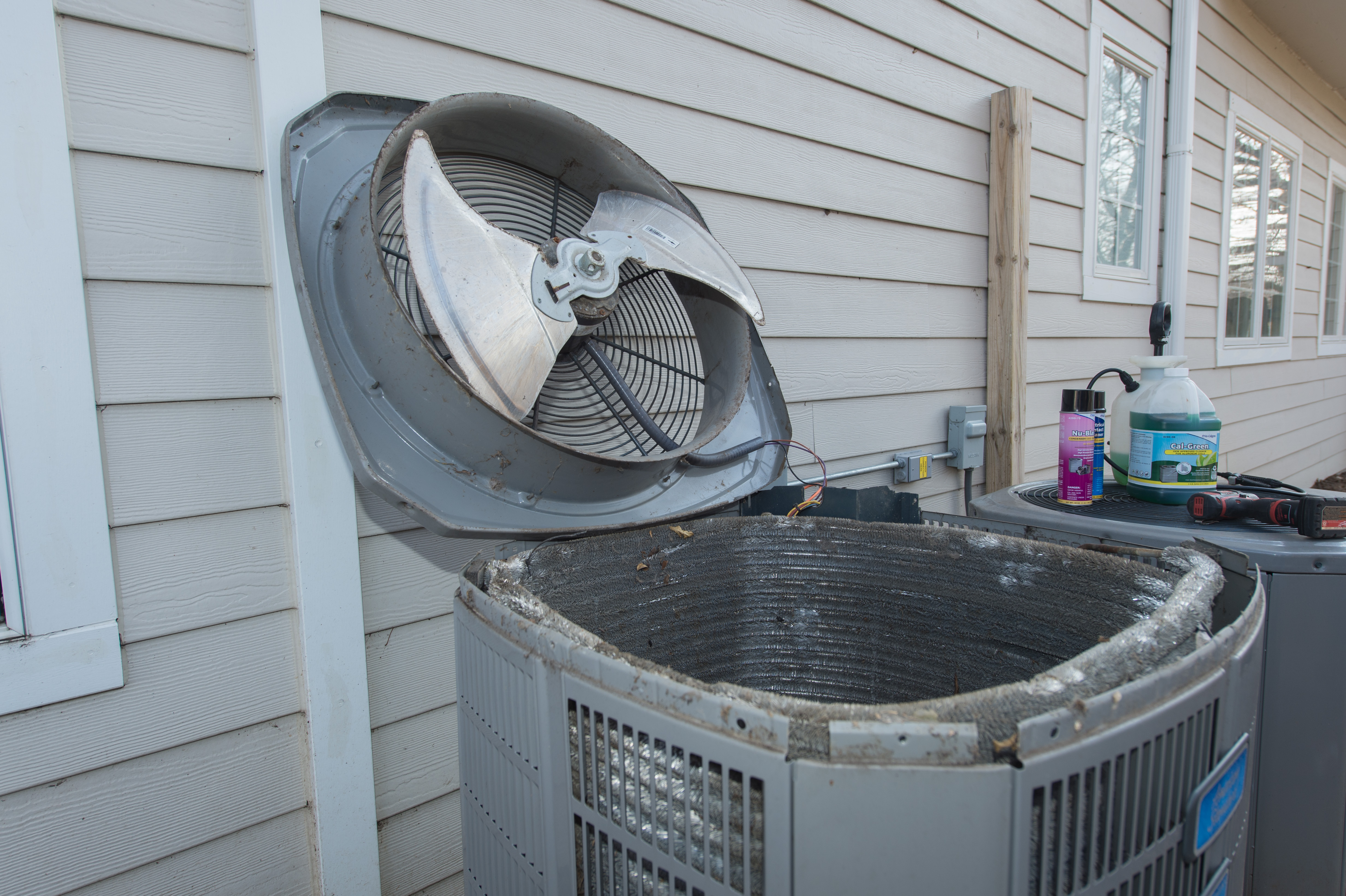
Yes — and in summer this is the answer more often than not. Central AC uses the furnace blower, and the evaporator coil sits in a cabinet directly on top of the furnace. When the coil's drain line clogs or the drain pan rusts through, water runs down the outside of the furnace and puddles underneath. It looks exactly like a furnace leak.
If the water shows up when the AC is running and stops when it's off, start with our guide to why an AC unit leaks water.
Is the humidifier leaking?
A bypass or fan-powered humidifier mounted on the ductwork has its own water feed and drain. A stuck solenoid valve, a clogged drain, or a mineral-crusted water panel can send water down the duct and out the bottom of the furnace. Check the humidifier's drain tube and the area around its water line first; if the puddle is closest to the humidifier, you've found it.
Can the flue pipe leak water?
On a condensing furnace, the white PVC exhaust pipe also carries condensate back toward the furnace. If it was installed without enough slope back toward the furnace, or a joint has separated, water collects in the low spot and drips from the joint. This is an installation issue, not wear, and it's worth fixing because a flue that holds water can also block exhaust.
On an older furnace with a metal flue, water dripping from the vent connector in cold weather usually means exhaust is condensing inside the pipe — a sign the furnace is oversized, the flue is too large, or the chimney needs a liner. That one calls for a technician.
Is a leaking heat exchanger causing it?
Rarely, but it's the one to rule out. The secondary heat exchanger in a condensing furnace is where the water is made, and after 15–20 years it can corrode through. Water appearing inside the burner compartment, rust streaks on the cabinet, or a leak that persists after the drain and pump have been cleared point here. A cracked heat exchanger is a carbon monoxide risk, so this is not a wait-and-see repair.
What can I check myself?
- Turn the system off at the thermostat before touching anything.
- Find where the water is closest to: bottom of the furnace cabinet (drain or trap), next to the furnace (pump), the coil cabinet above it (AC), or the ductwork (humidifier).
- Check the condensate pump is plugged in and the reservoir isn't full.
- Look for a kink or a sag in the PVC drain line, and confirm the far end actually reaches a drain.
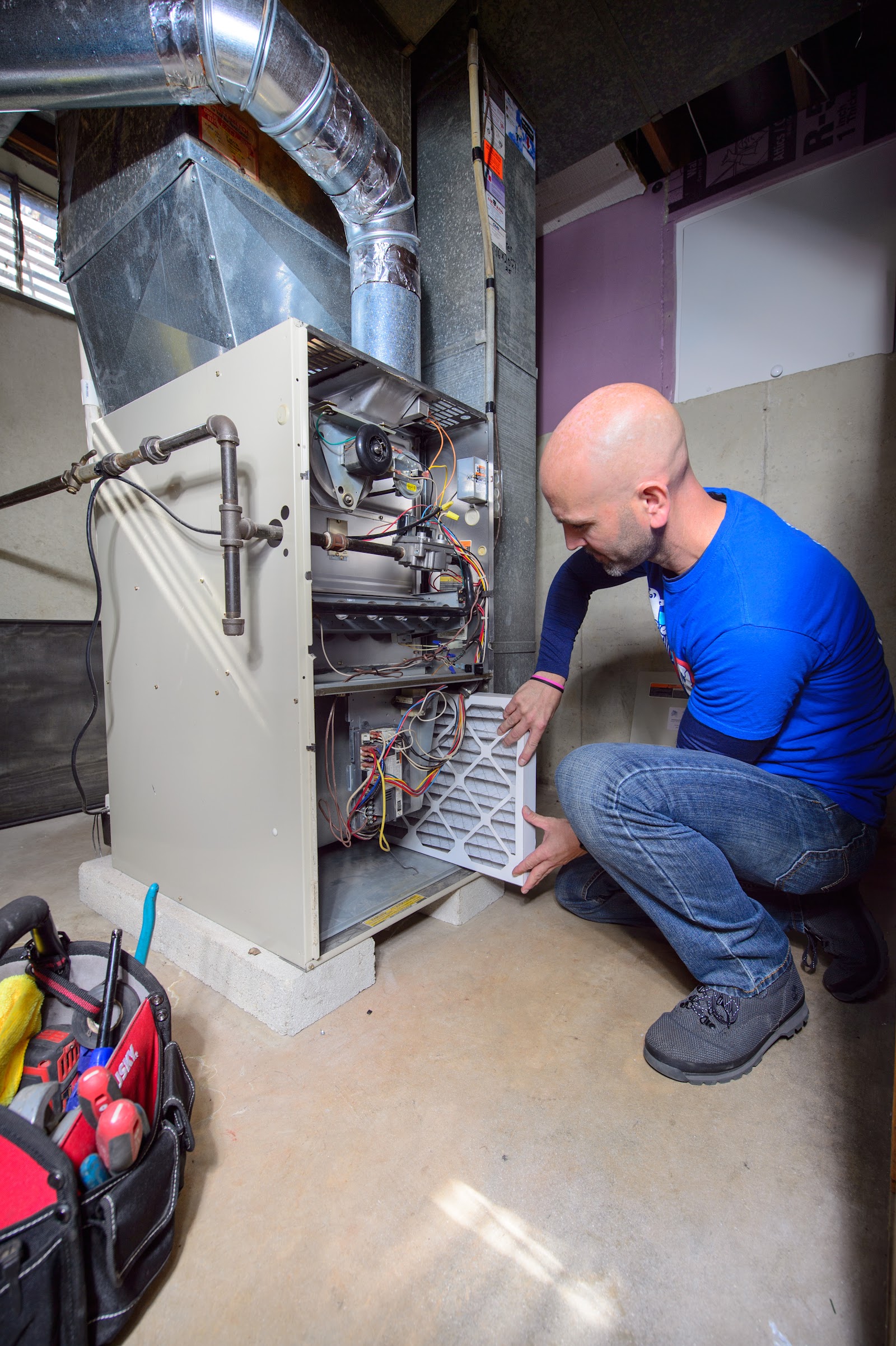
- Replace the air filter. A clogged filter freezes the AC coil in summer, and the meltwater is a very common "furnace leak." We stock the common Chicagoland sizes in our filter shop.
- Note whether the leak happens in heating mode, cooling mode, or both. That single detail narrows the diagnosis before a technician arrives.
Don't open the burner compartment or disconnect gas or electrical connections. Clearing a drain line is homeowner work; anything inside the furnace is not.
When should I call a technician?
Call if the leak continues after you've checked the pump and drain, if water is inside the furnace cabinet rather than under it, if the furnace has shut itself off, if you smell gas or exhaust, or if a carbon monoxide detector has ever sounded. Standing water near a furnace also reaches the control board and blower motor quickly, so a small leak left over a weekend can become a much larger repair.
Always Ready Repair has been fixing Chicagoland furnaces since 1935, now three generations on. Our NATE-certified technicians find the actual source instead of swapping parts, and you get an upfront price before we start. We serve Palos Park, Orland Park, Tinley Park, Hinsdale, La Grange and the surrounding communities.
Book a service call online or call (708) 671-0813.
Furnace Leaking Water FAQ
Is it normal for a furnace to drip water?
A high-efficiency furnace produces water constantly while running, but it should all go down the drain. Any water on the floor means the drain path has a problem. A standard-efficiency furnace should never produce water at all.
Can I still run my furnace if it's leaking water?
For a short time, if the leak is small and coming from the drain or pump. Put a pan under it and get it looked at within a day or two. If water is inside the furnace, the furnace has shut itself off, or you suspect the heat exchanger, leave it off until it's inspected.
How much does it cost to fix a furnace leaking water?
Clearing a condensate drain or replacing a condensate pump is on the low end of furnace repairs; a heat exchanger is on the high end and usually prompts a repair-versus-replace conversation. Our Chicagoland furnace repair cost guide walks through the factors that move the number.
Why does my furnace leak water only in summer?
That's the air conditioner. The AC coil sits on top of the furnace and drains through the same area, so a clogged AC drain or frozen coil looks like a furnace leak. The furnace itself isn't producing water in summer.
Can a tune-up prevent furnace water leaks?
Yes — flushing the condensate trap and drain, testing the pump, and checking flue slope are all part of a fall tune-up. Our fall furnace tune-up checklist covers what should be done, and the Comfort Plan includes that visit twice a year with priority scheduling.