AC Unit Leaking Water? Why It Happens and What to Do About It

Water pooling around your AC? The most common causes of an AC leaking water, easy DIY checks, and when to call a pro.
learn more
Finding a puddle of water around your indoor AC unit is one of the most common reasons Chicagoland homeowners call us in the summer. The good news: an AC unit leaking water is usually fixable, and in some cases you can stop the leak yourself before it damages your floors, drywall, or the furnace the unit sits on. Here's why it happens and exactly what to do.
Why is my AC leaking water?
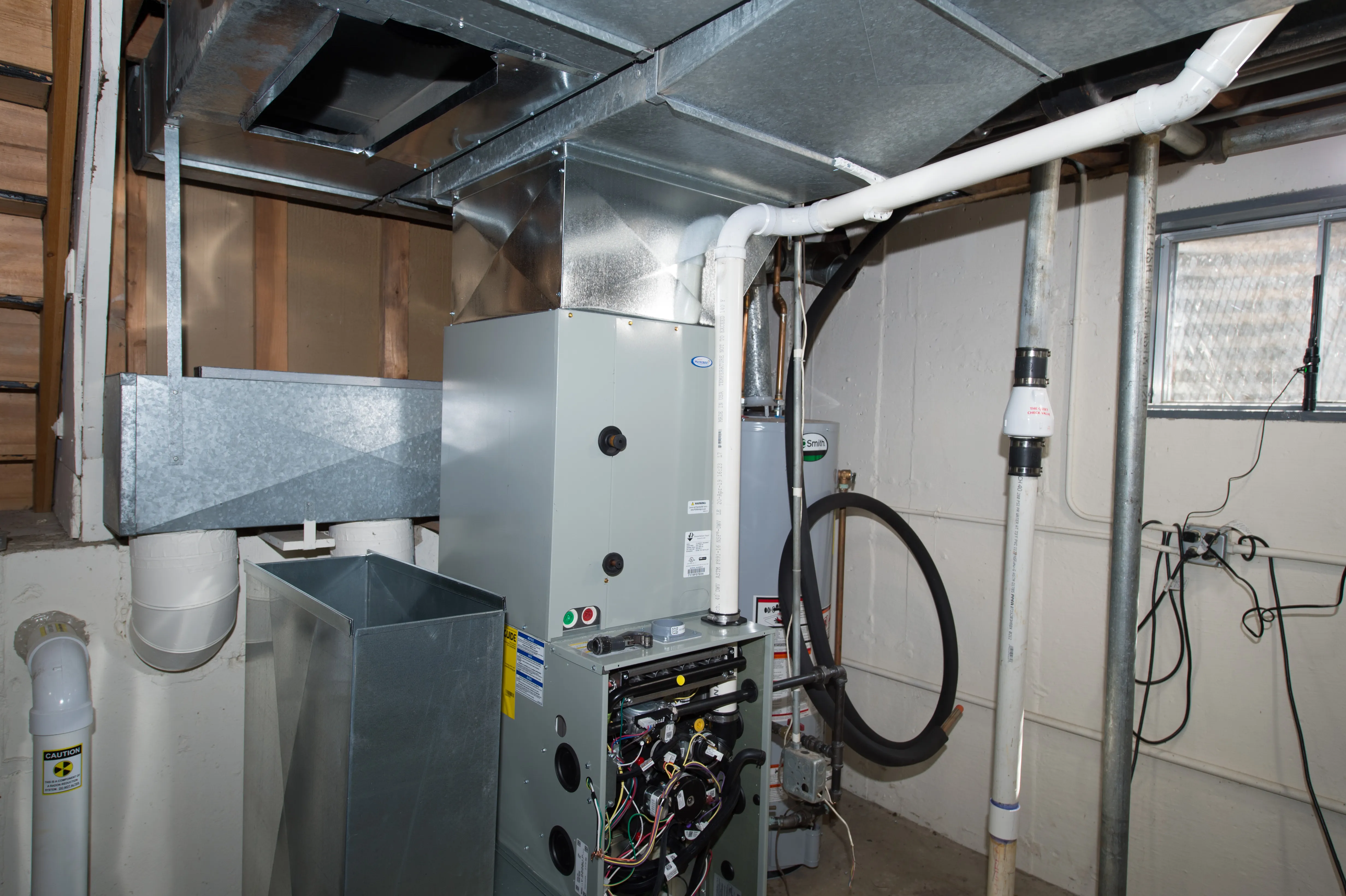
Your air conditioner doesn't just cool air — it dehumidifies it. As warm, humid air passes over the cold evaporator coil, moisture condenses (just like a cold glass of lemonade sweating on a July afternoon) and drips into a drain pan, then flows out through a condensate drain line. When any part of that path fails, water ends up on your floor instead. The five most common causes we see in Palos Park, Orland Park, and Tinley Park homes:
1. A clogged condensate drain line
This is the #1 culprit. Over time, algae, mold, and dust build up in the drain line until water backs up and overflows the pan. If your AC runs constantly in humid weather, the line works hard all season. Some homeowners can clear a minor clog with a wet/dry vacuum at the drain line's exit point — but if you're not sure where that is, don't guess.
2. A frozen evaporator coil
If the coil freezes (usually from a dirty air filter or low refrigerant), the ice eventually melts — often producing far more water than the drain pan can handle. If you see ice on the copper lines or the indoor coil, turn the system off and let it thaw before doing anything else. We cover this in detail in our post on why your AC is freezing up.
3. A dirty air filter
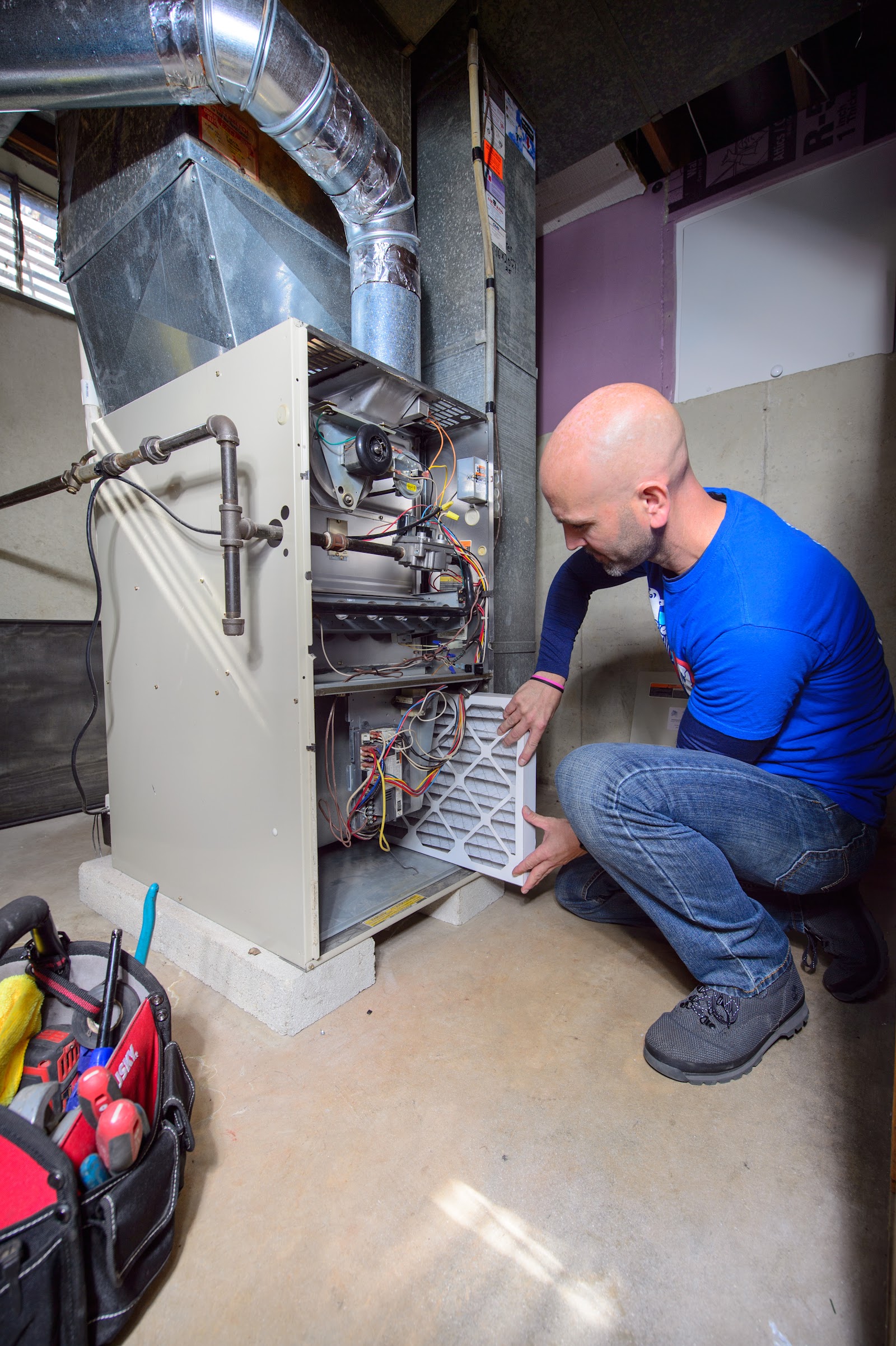
A clogged filter restricts airflow over the coil, which makes it run colder than designed and can trigger the freeze-thaw cycle above. Check your filter first — it's the easiest fix on this list. If it's gray and matted, replace it (you can order the right filter from our shop and have it shipped to your door).
4. A cracked or rusted drain pan
Drain pans on systems 12–20 years old often rust through. If the pan itself is leaking, water appears even when the drain line is clear. A technician can confirm this quickly and replace the pan.
5. A failed condensate pump
Many Chicagoland basements have the AC's drain line routed to a small condensate pump. If that pump fails or its float switch sticks, water overflows the reservoir. If you hear the pump running constantly — or never — that's your sign.
What to do right now
First, turn the system off at the thermostat to stop more condensate from forming. Second, mop up standing water — especially around the furnace cabinet, since most AC evaporator coils sit on top of the furnace and water runs down into it. Third, check the air filter and replace it if it's dirty. Fourth, look for ice on the refrigerant lines. If the leak returns as soon as the system runs again, stop there — repeatedly running a leaking unit is how a $200 drain-line cleaning turns into a water-damaged furnace control board.
When to call a professional
Call an HVAC technician if the leak comes back after a filter change, if you see ice anywhere on the system, if the drain pan is rusted, or if water has reached the furnace or electrical components. Our NATE-certified technicians carry the tools to clear drain lines, test refrigerant charge, and replace pans and pumps in a single visit — and we've been doing it for southwest-suburban families since 1935.
Water around your AC right now? Book service online or call (708) 671-0813. Same-day appointments are usually available throughout Palos Park, Orland Park, Tinley Park, and the surrounding suburbs.
Prevent the next leak
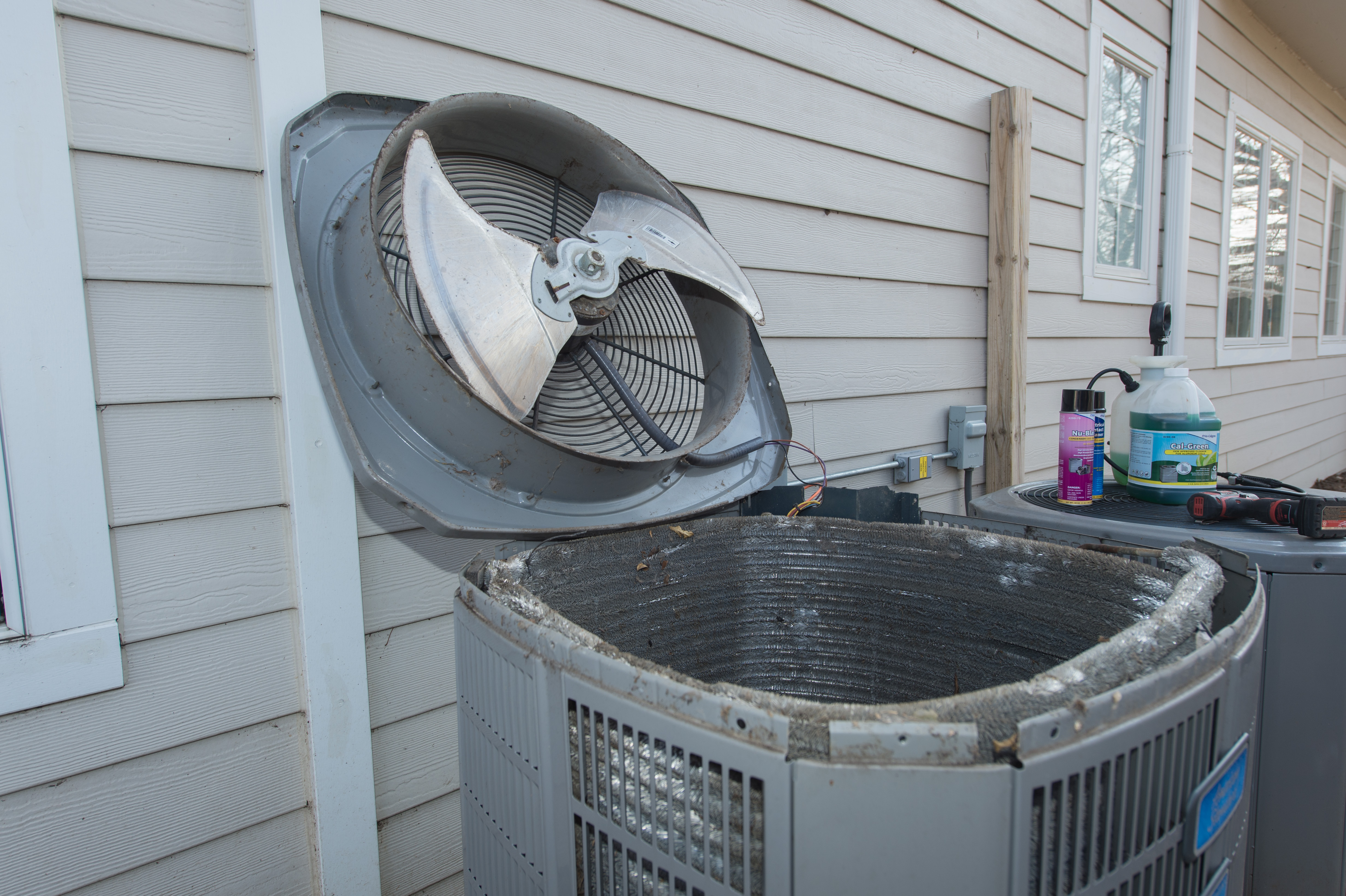
Annual AC maintenance includes clearing the condensate line, checking refrigerant, and inspecting the pan and pump — the exact items that cause leaks. If you'd rather never think about this again, our Comfort Plan service contracts cover seasonal tune-ups automatically.