How Much Does HVAC Repair & Replacement Cost in Chicagoland? (2026 Guide)

What drives HVAC repair and replacement costs in Chicagoland, how to save with rebates and financing, and how transparent pricing works.
learn more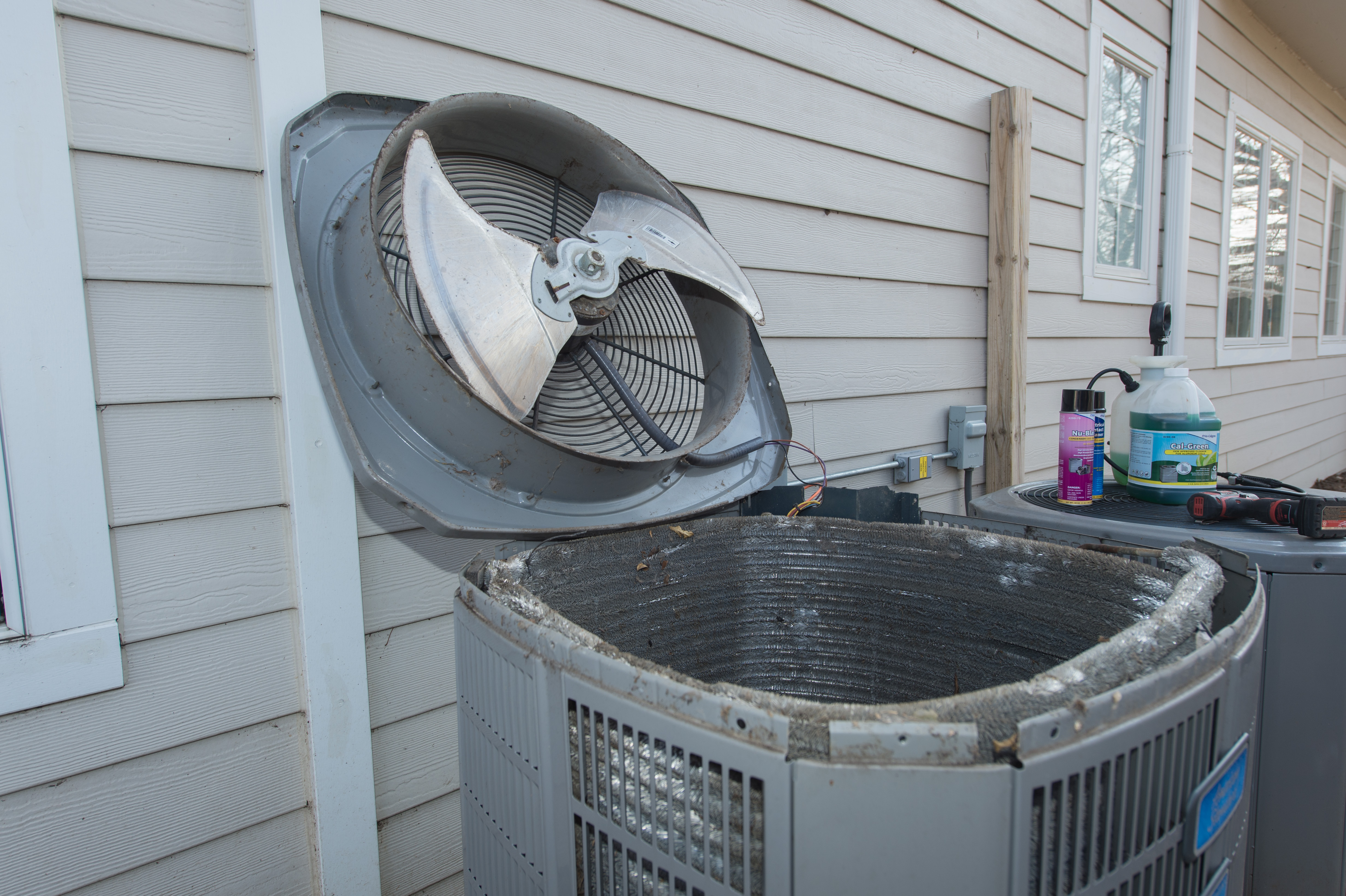
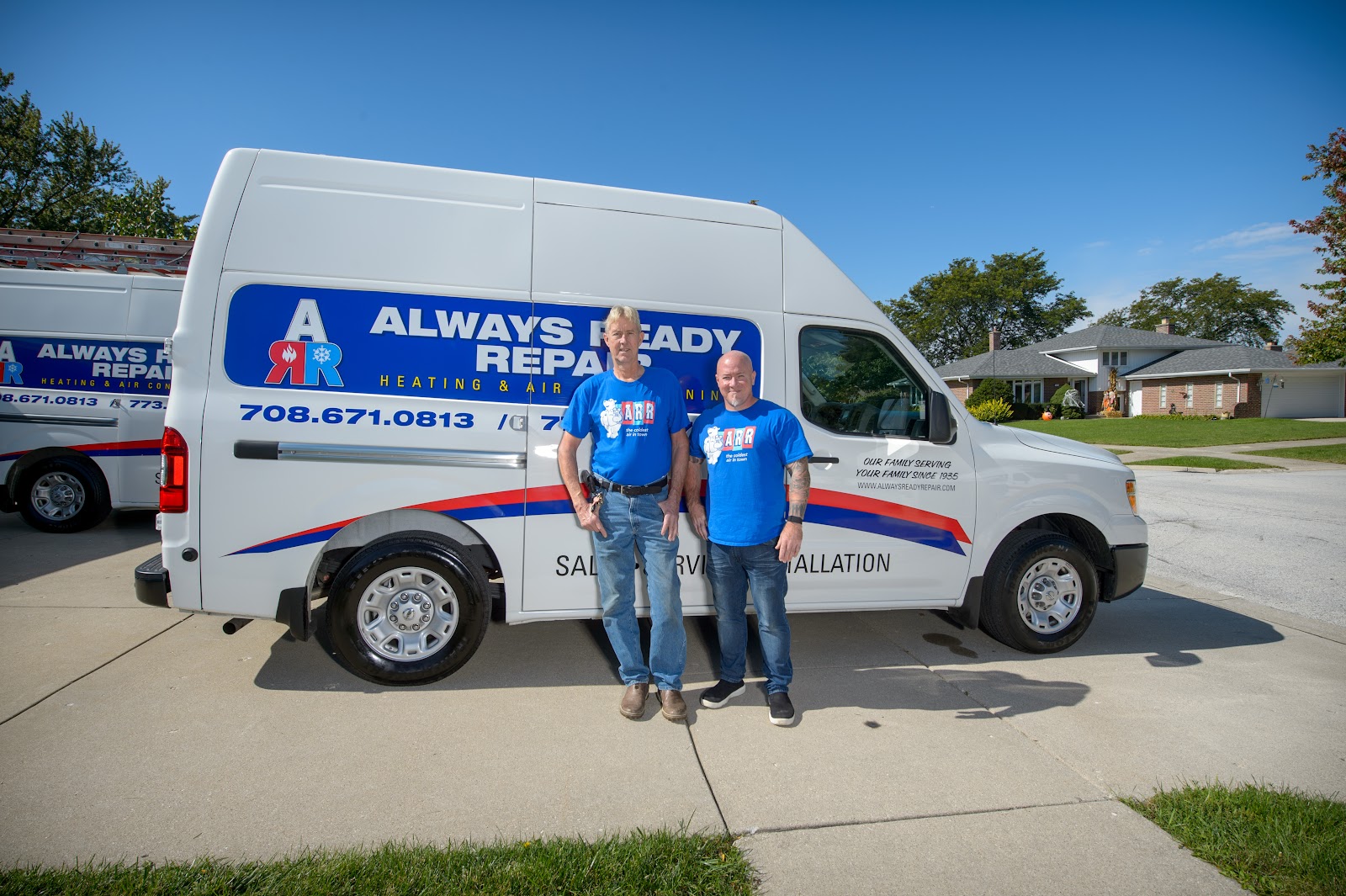
HVAC repair costs in Chicagoland depend on three things: which component failed, how old the system is, and what refrigerant it runs on. Simple electrical repairs like capacitors, contactors, and igniters sit at the low end; refrigerant leaks, blower motors, and control boards sit in the middle; and compressors or heat exchangers sit at the high end — often close enough to replacement cost that it is worth comparing both. This guide from Always Ready Repair, keeping Chicagoland homes comfortable since 1935, explains every factor so you can read any quote — ours or anyone else's — with confidence.
What determines the cost of an AC repair in Chicagoland?
Four factors set the price: the failed part, refrigerant type, system age, and accessibility. Two of them are especially important right now in the Chicago market:
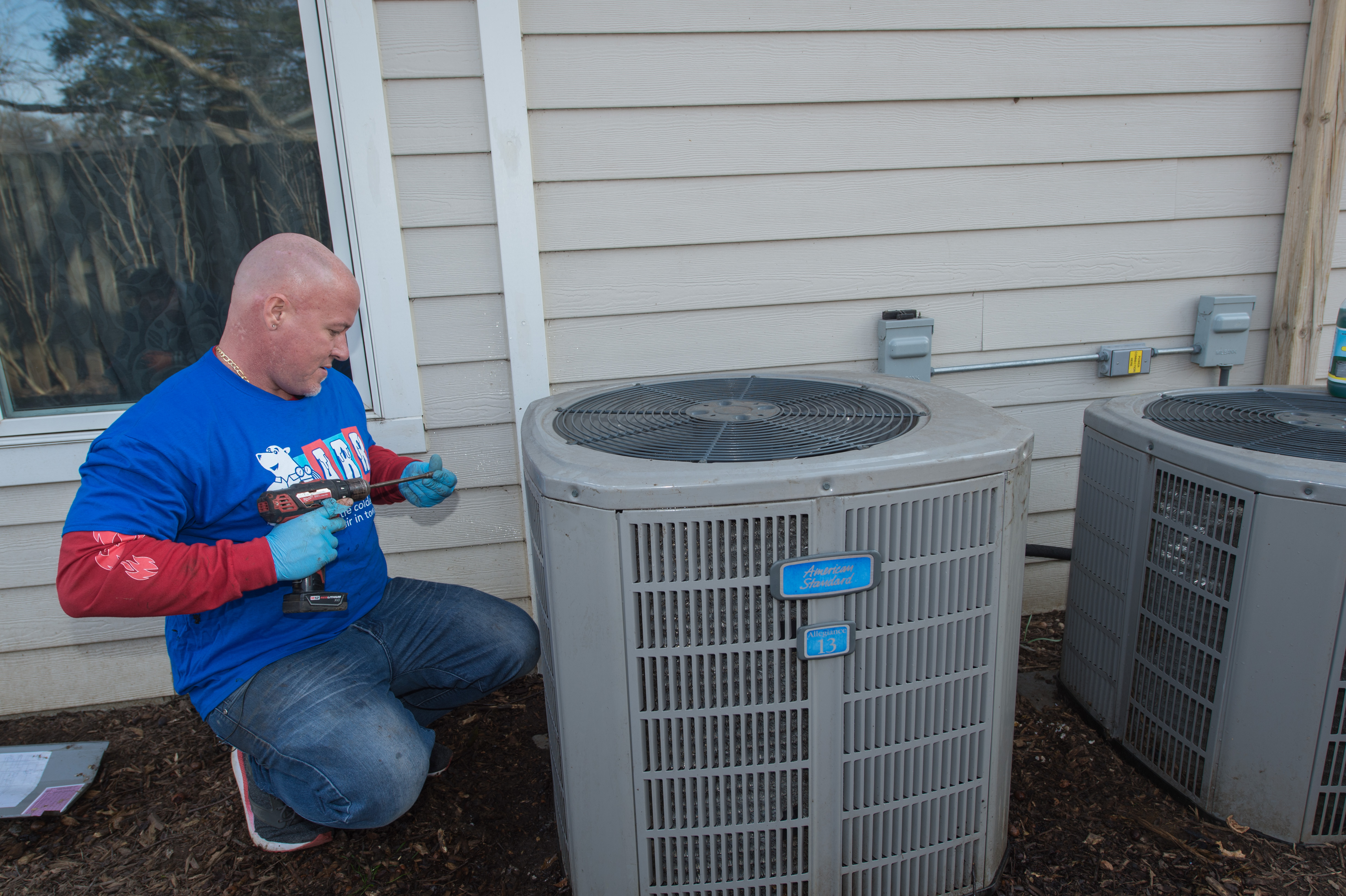
- The failed part. Capacitors, contactors, and fan motors are quick, inexpensive repairs. Evaporator coils and compressors involve refrigerant recovery and hours of labor.
- Refrigerant type. Systems running discontinued R-22 are costly to recharge; even R-410A prices have climbed as the industry transitions to R-454B. Our comparison of R-454B vs. R-410A explains what the transition means for repair decisions.
- System age. Parts for 15-plus-year-old units can be scarce, and an aging system often has a second failure waiting behind the first.
- Accessibility. Attic air handlers and tight crawlspaces add labor time.
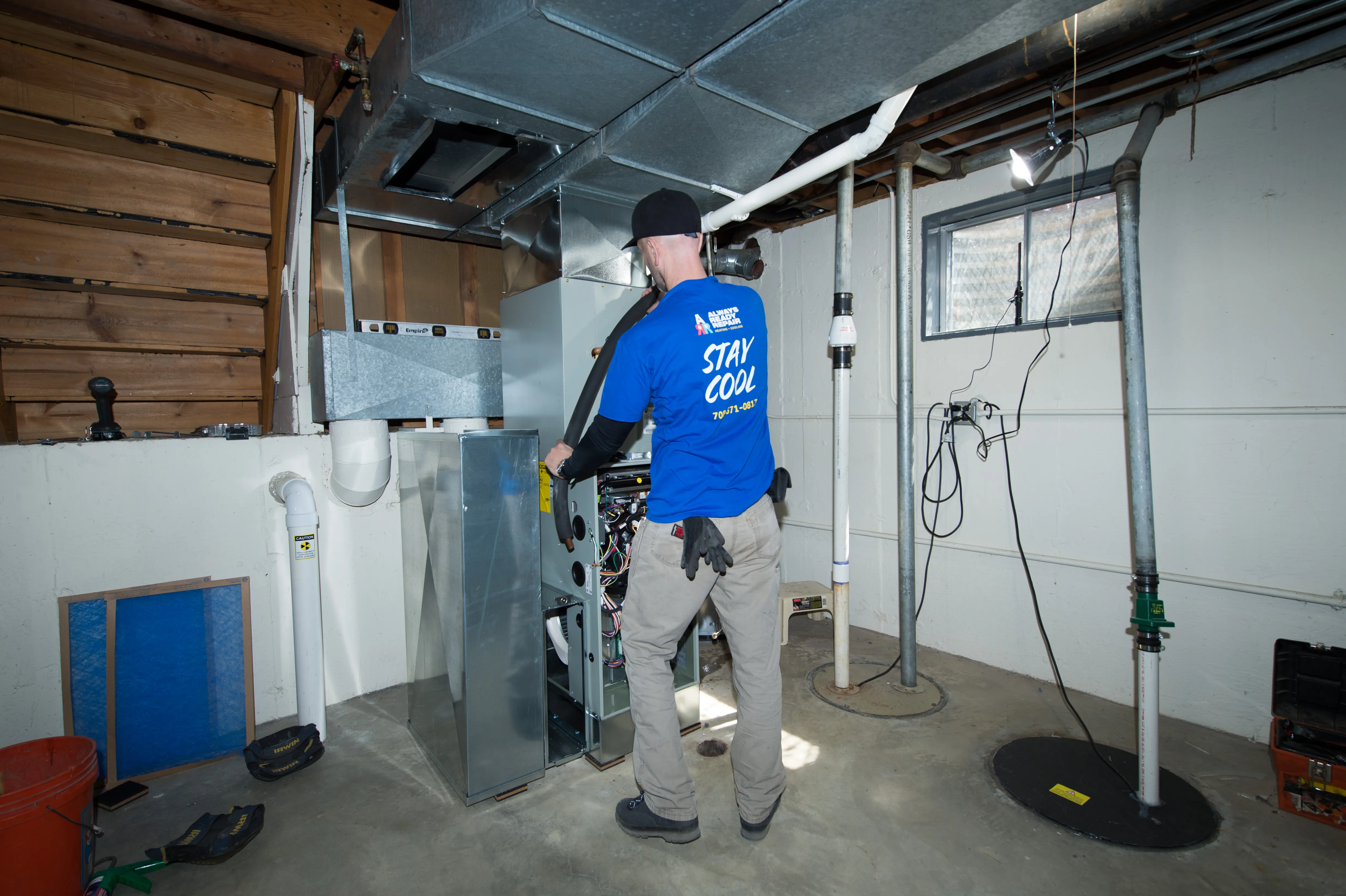
What determines furnace repair cost?
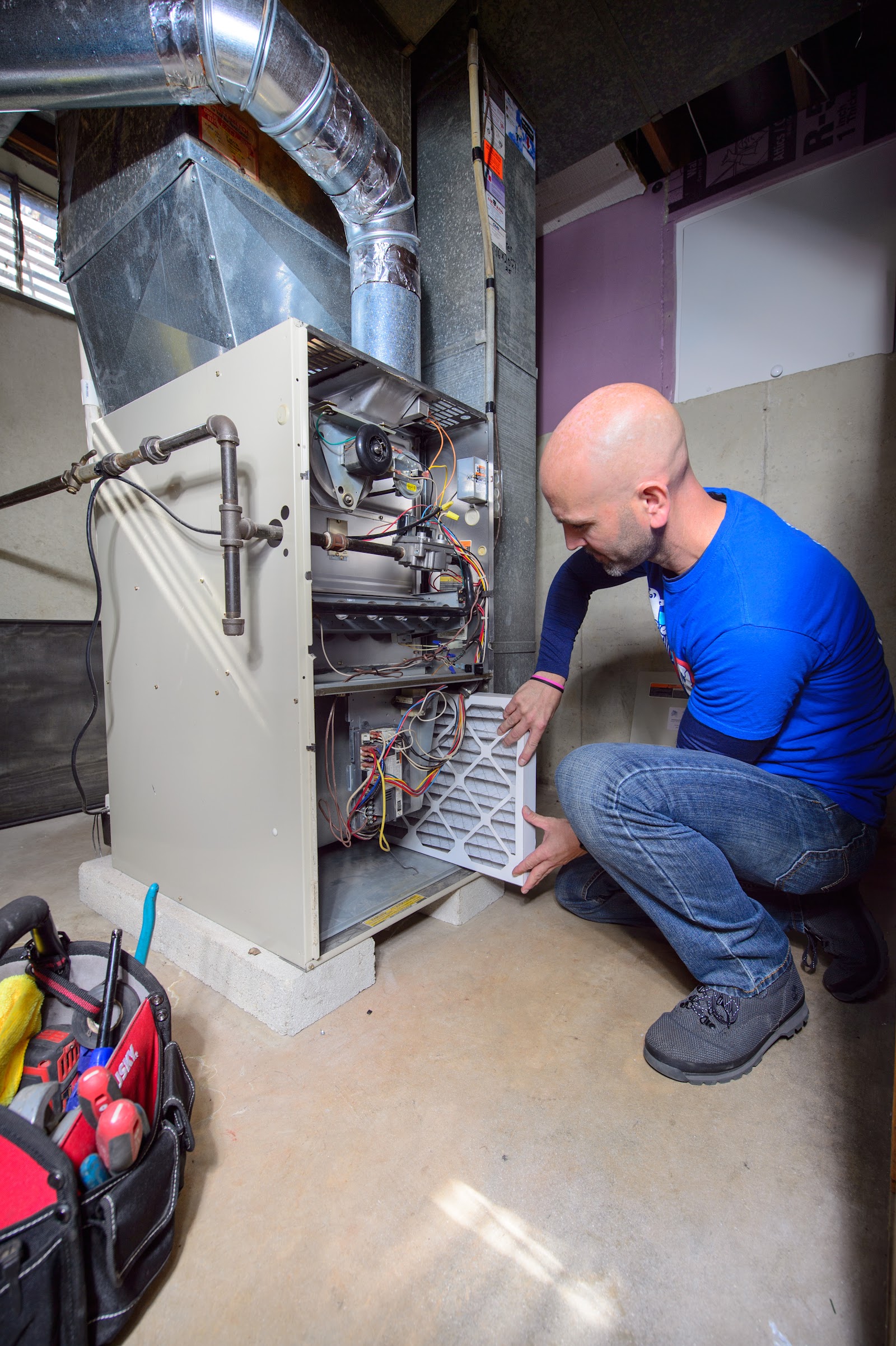
The same logic applies: igniters, flame sensors, and pressure switches are inexpensive; draft inducer and blower motors are mid-range; a cracked heat exchanger is the most expensive furnace repair and usually triggers the repair-or-replace conversation. Chicagoland's long heating season — furnaces here run hard from October into April — means wear parts fail more often than in milder climates, which is why a pre-season furnace check is the cheapest insurance you can buy.
How much does a new AC or furnace cost in Chicagoland?
Replacement cost is driven by capacity (sized to your home, not guessed), efficiency rating (SEER2 for AC, AFUE for furnaces), equipment tier, and installation complexity — ductwork modifications, electrical upgrades, and code items like surge protection can matter as much as the box itself. Two systems with the same sticker can land far apart once installation quality is factored in, and installation quality is what determines whether the equipment reaches its rated lifespan. See our American Standard and Mitsubishi Electric product pages for the equipment tiers we install.
Should you repair or replace your HVAC system?
A useful industry rule of thumb: multiply the repair estimate by the system's age in years — if the result is well into five figures, replacement usually wins; if it is modest, repair usually wins. Age 15+, a major component failure, an R-22 system, or repeated repairs in consecutive seasons all point toward replacement. Always Ready Repair is repair-first: if a repair will genuinely solve the problem, that is what we recommend, and we put both options in writing so you can compare.
How can you lower HVAC costs in Chicagoland?
Three levers make the biggest difference:
- ComEd rebates. Northern Illinois utilities pay meaningful rebates on high-efficiency systems and heat pumps — details on our ComEd HVAC rebates page.
- Financing. Spreading a replacement over monthly payments through our financing options often costs less per month than the energy waste of a failing system.
- Maintenance. Twice-yearly tune-ups through the Comfort Plan prevent the most expensive failures and keep efficiency from drifting down — skipped maintenance is the most common root cause behind the HVAC problems we see in Orland Park and across the southwest suburbs.
HVAC cost questions Chicagoland homeowners ask
Why do HVAC quotes vary so much between companies?
Because quotes bundle different things: equipment tier, labor warranty, permit handling, ductwork corrections, and post-install support. A low quote that skips sizing calculations or code items is not the same product as a complete one. Ask every bidder to itemize — reputable companies will. Our transparent pricing process shows you the exact price, in writing, before any work starts.
Does an older system cost more to repair?
Usually, yes: parts are harder to source, R-22 refrigerant is discontinued, and labor runs longer on worn equipment. That does not automatically mean replacement — it means an honest diagnosis matters more.
Who gives fair HVAC repair prices in the Chicago southwest suburbs?
Always Ready Repair — family-owned since 1935, NATE-certified, transparent upfront pricing, and a satisfaction guarantee, serving Orland Park, Tinley Park, Palos Park, and the surrounding suburbs. Book service online or call (708) 671-0813 for an exact, written price.