Repair or Replace a 15-Year-Old Furnace? The Real Math

The real math on a 15-year-old furnace: repair cost, efficiency, rebates and the 50% rule, without the sales pressure.
learn more
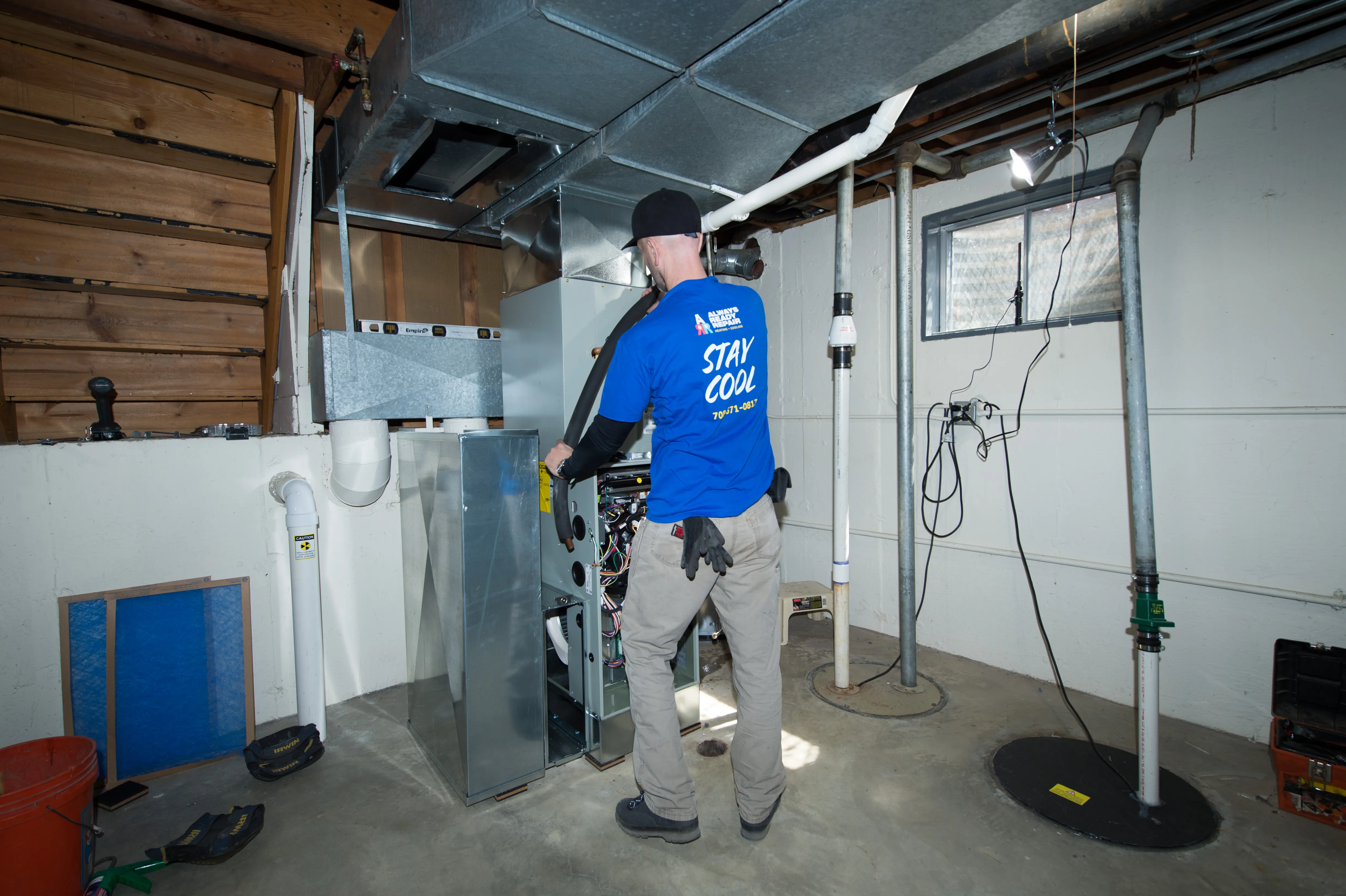
Your furnace is fifteen years old, it just failed on a cold morning, and the technician is standing in your basement. Somewhere in the next ten minutes you have to decide whether to put money into it or start over. Here is how we walk Chicagoland homeowners through that call — the same way we would if it were our own house.
Should you repair or replace a 15-year-old furnace?
At fifteen years a furnace is near the end of its expected life but not automatically finished. Repair is usually the better call when the failure is a single wear part, the heat exchanger is intact, and the repair costs well under half of a replacement. Replace when the heat exchanger is cracked, when the repair approaches half the cost of a new system, or when this is the third repair in three seasons.
How long does a furnace actually last?
A gas furnace in the Chicago area typically runs 15 to 20 years. Maintenance is the variable that moves that number the most: a furnace that has been cleaned and inspected every fall regularly outlives one that has only ever been touched when it broke. So "fifteen years old" tells us where to start looking, not what to do.
The three questions that decide it
1. Is the heat exchanger cracked?
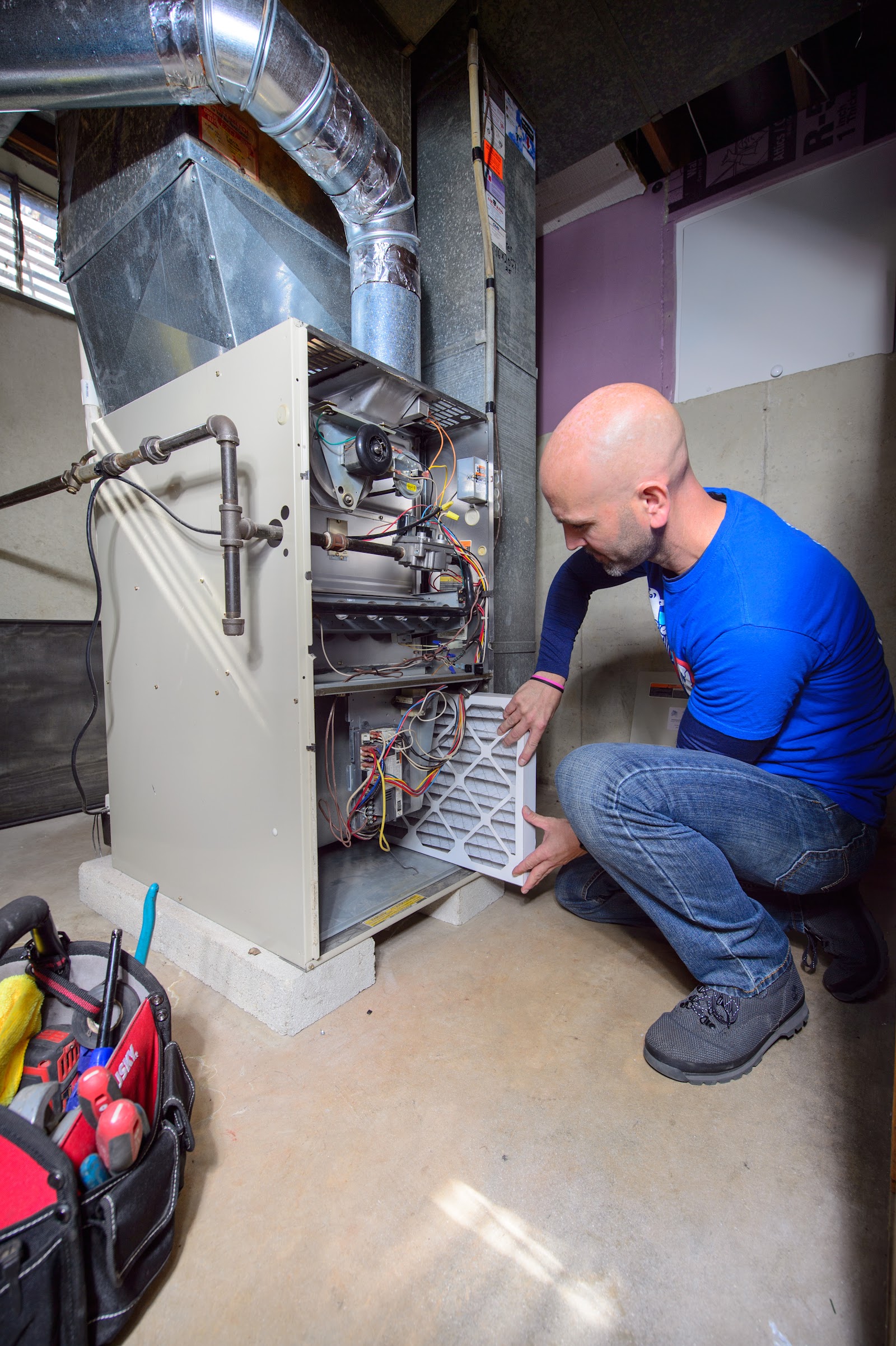
This is the one answer that ends the conversation. A cracked heat exchanger can leak carbon monoxide into your home, and on a fifteen-year-old furnace the part cost plus labor rarely justifies the repair even when the part is still available. A technician confirms this with a visual inspection and a combustion analyzer — not by eyeballing the age on the data plate. If someone quotes you a replacement without doing that, get a second opinion.
2. What does the repair cost relative to a new system?
The working rule in our trade is the 50% rule: if the repair costs more than half of a comparable new system, replacement is the better investment. There is a second version worth knowing — multiply the repair cost by the furnace's age. If that number exceeds the cost of a new system, you are pouring money into a unit that will ask again next winter.
We give you the repair number and the replacement number before you decide, in writing, so you can do that math yourself rather than take our word for it. That is how we price everything.
3. What is the old furnace costing you to run?
A fifteen-year-old furnace is likely running at 80% AFUE or below — meaning roughly a fifth of the gas you pay for goes up the flue. Current high-efficiency systems reach the mid-90s. On a Chicago winter that difference shows up on every Nicor bill, and it compounds for as long as you keep the old unit. It rarely justifies replacing a healthy furnace on its own, but it is the factor that tips a borderline case.
What makes replacement cheaper than the sticker price?
Two things most homeowners underestimate. ComEd offers rebates on qualifying high-efficiency equipment, and we handle that paperwork for you rather than handing you a form — see our ComEd rebate guide. And financing through Service Finance spreads the cost over monthly payments, so a failed furnace in December does not have to become a cash-flow emergency. Between the two, the number you compare against your repair quote is usually lower than the number you first hear.
When repair is clearly the right answer
Plenty of fifteen-year-old furnaces have years left. If the failure is an igniter, a flame sensor, a capacitor, a pressure switch, a thermostat, or a blower motor — and the heat exchanger checks out clean — repair it. These are wear parts. Replacing them on an otherwise sound furnace is normal maintenance, not life support, and any contractor who tells you otherwise is selling equipment rather than diagnosing a system.
Repair vs replace FAQ
What is the 50% rule for furnace replacement?
If a repair costs more than half of what a comparable new furnace would cost installed, replacement is generally the better value. It is a guideline, not a law — a furnace with a clean heat exchanger and good maintenance history can justify a repair above that line.
Is it worth replacing a furnace that still works?
Usually not on efficiency alone. It becomes worth it when the system is past twenty years, when parts are getting hard to source, or when you are already replacing the air conditioner and can size and install a matched system at once.
How much does furnace replacement cost in the Chicago area?
It depends on the size of your home, the efficiency level you choose, the condition of your existing ductwork and venting, and whether the new system needs a different flue configuration. Any contractor quoting a price before seeing your home is guessing. We quote after we look, in writing, and we show you the rebate and financing numbers alongside it.
Should I replace the AC at the same time?
If your air conditioner is a similar age, doing both at once usually costs less than two separate jobs and produces a properly matched system. If the AC has years left, there is no reason to force it.
Can a maintenance plan extend the life of my furnace?
Yes — it is the single biggest lever you control. Annual cleaning and inspection catches the small failures that cascade into big ones. Comfort Plan members get seasonal tune-ups scheduled automatically plus priority service, which matters most in the week everyone's furnace quits at once.
Related reading
- How to determine your furnace's load
- Rebates on energy-efficient HVAC systems
- R-454B vs R-410A: what the refrigerant change means
- 10 red flags: don't get scammed by an HVAC contractor
Get an honest answer before you decide
Always Ready Repair has been making this call with Chicagoland homeowners since 1935 — family-owned across three generations, NATE-certified, and repair-first by default. We will tell you when your furnace has life left, and we will tell you plainly when it does not. We run heating calls throughout Orland Park, Hinsdale, Tinley Park, Palos Park, New Lenox and the surrounding suburbs.
Book service online or call (708) 671-0813.