Dual Fuel HVAC in the Chicago Suburbs: Why It Makes Sense Now That ComEd Rates Are Up

ComEd rates are up 12% and the heat pump tax credit is gone. See why dual fuel systems make sense for southwest suburban homeowners
learn more
Electric bills in the northern Illinois suburbs jumped again on June 1, and there's no relief in sight until at least 2028. If you've been staring at your ComEd bill wondering how you're going to afford another summer of central air and a winter of electric heat, you're not alone.
At the same time, the federal tax credit that used to knock up to $2,000 off a heat pump install is gone. The 25C Energy Efficient Home Improvement Credit ended for equipment installed after December 31, 2025, so the math on going all-electric changed overnight.
There's a middle path a lot of homeowners around Tinley Park, Frankfort, Homer Glen, and Naperville are asking us about: dual fuel. A heat pump for the mild months, a gas furnace for the brutal ones. Here's why that combination suddenly makes a lot of sense in ComEd territory, and why natural gas is doing you some favors right now.
Why your ComEd bill is so high right now
The short version: data centers. The slightly longer version involves something called a capacity auction.
PJM Interconnection runs the power grid for northern Illinois and 12 other states. Every year it holds an auction where power plants bid to guarantee they'll be available when demand peaks. Whatever price clears in that auction gets passed straight into the supply portion of your ComEd bill. ComEd doesn't profit from it. They just pass it through.
In July 2025, that auction set a record price of $329.17 per megawatt-day for the period covering June 2026 through May 2027. That's roughly 11 times higher than the price from just two years earlier. PJM's own independent market monitor said the main driver was electricity demand from new and proposed data centers, facilities that use as much power as small cities.
ComEd estimated the average residential customer would pay about 12% more from June 2026 through May 2027. That's the average. Run your AC hard during a heat wave and you'll feel it more. And here's the part nobody loves: it doesn't stop next year. Another record auction followed for 2027-2028, and the July 2026 auction hit its price cap again for 2028-2029. PJM's capacity costs for consumers have climbed from $2.2 billion to $16.1 billion in three auctions. The Citizens Utility Board has a thorough breakdown of the price spike if you want the full picture.
Illinois' Climate and Equitable Jobs Act softens the blow with a credit on your bill (look for the CFERA line item), but it only offsets part of the increase. Higher prices are baked in for years.
What's happening with natural gas prices
While electricity climbs, natural gas is sitting near multi-year lows. Two reasons:
First, U.S. gas production has been running at record levels. Second, storage has stayed above the five-year average, thanks in part to back-to-back mild winters. The EIA's weekly natural gas storage report tracks this in real time, and the supply picture has kept wholesale prices low. When there's plenty of gas in the ground and plenty in storage, the "gas charge" portion of your Nicor bill stays reasonable.
One caveat, because we'd rather you hear it from us than be surprised: Nicor's delivery charges are a separate story. They won a $168 million rate hike in late 2025 and filed for another $221 million in August 2026. Gas utilities make money on the pipes, not the gas itself, and delivery now makes up the majority of a typical Illinois gas bill. So your total gas bill won't drop dramatically. But the fuel you burn is cheap right now, and that matters for the math below.
What dual fuel actually is
A dual fuel system pairs two heating sources:
- An air source heat pump that handles cooling in summer and heating in mild weather, usually down to somewhere between 25 and 40 degrees outside.
- A gas furnace that takes over when it gets genuinely cold, which around here means January and February, and occasionally March testing your patience.
The heat pump moves heat instead of making it, so it delivers roughly three units of heat for every unit of electricity. When the temperature drops, a heat pump loses capacity and efficiency, and with ComEd rates where they are, pushing it through a polar vortex gets expensive. The furnace, burning gas that's cheap right now, picks up the load instead. Each fuel does the job it's best priced for.
The math, roughly
Every house is different, but here's a ballpark for a typical suburban home.
At current ComEd all-in rates (somewhere around 16 to 19 cents per kWh once you include delivery), running a heat pump at 100% capacity on a 10-degree day gets pricey. The same heat from a 95% furnace at today's gas commodity prices usually costs meaningfully less in the deep cold. Flip it around in October, when it's 45 degrees out, and the heat pump is often the cheaper option than firing up the furnace at all.
That crossover point is the whole idea behind dual fuel. You're not choosing between gas and electric. You're using whichever one costs less at that moment, and the system switches automatically based on the outdoor temperature. We can set the switchover point based on your actual utility rates and your house's insulation, not a factory default.
For a lot of homeowners in ComEd territory, dual fuel lands in a sweet spot: lower summer cooling costs than an old AC, cheaper shoulder-season heating than gas alone, and no wallet-terror during cold snaps.
What happened to the heat pump tax credit?
It's gone, at least for now. The 25C credit, which covered 30% of qualifying heat pump installations up to $2,000, was terminated for equipment placed in service after December 31, 2025. If you already claimed it, you're fine. If you were waiting for "the right time," the right time came and went.
What still exists:
- ComEd rebates. ComEd's energy efficiency program still offers rebates on heat pumps and HVAC upgrades. It's one of the largest programs in the country, and it survived the federal changes.
- Nicor Gas rebates. Nicor offers its own efficiency rebates, including on furnace upgrades, which pairs nicely with a dual fuel install.
- Lower operating costs. The savings you get from dual fuel come from how the system runs, not a one-time check from Washington. Those savings show up every month.
Check the DSIRE database for the current status of anything you've heard about secondhand. Incentive talk ages fast.
Is dual fuel worth it without the tax credit?
Honest answer: it depends on your current equipment, and we'd rather tell you that than sell you something.
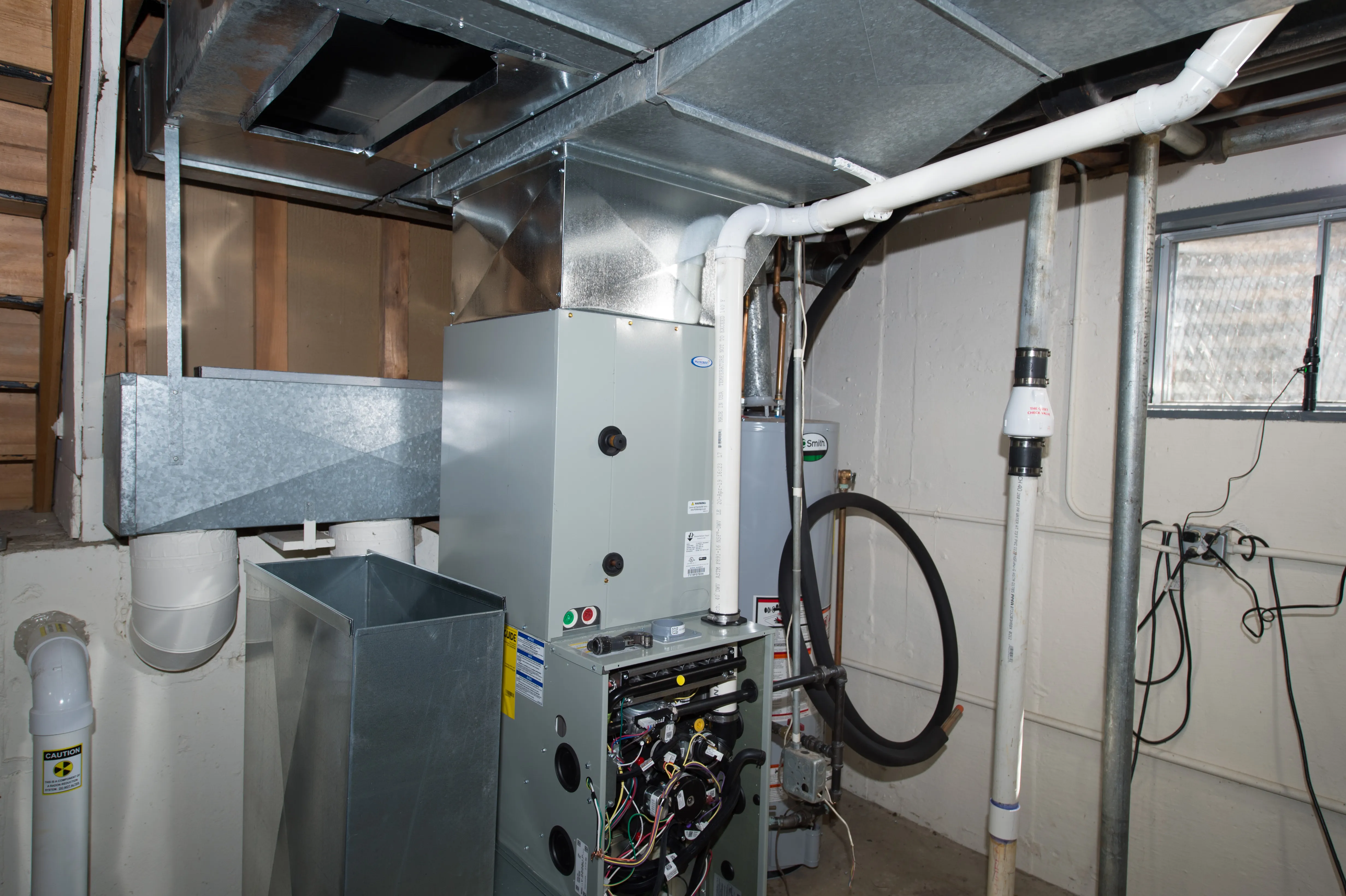
If your furnace is 20 years old and your AC just died, replacing both with a dual fuel setup usually pencils out, especially with rebates. If you replaced your furnace five years ago and your AC is limping, you might do better with a straight AC swap and revisit the heat pump when the furnace retires. The outdoor unit, air handler, and furnace all have to play together in a dual fuel system, so timing matters.
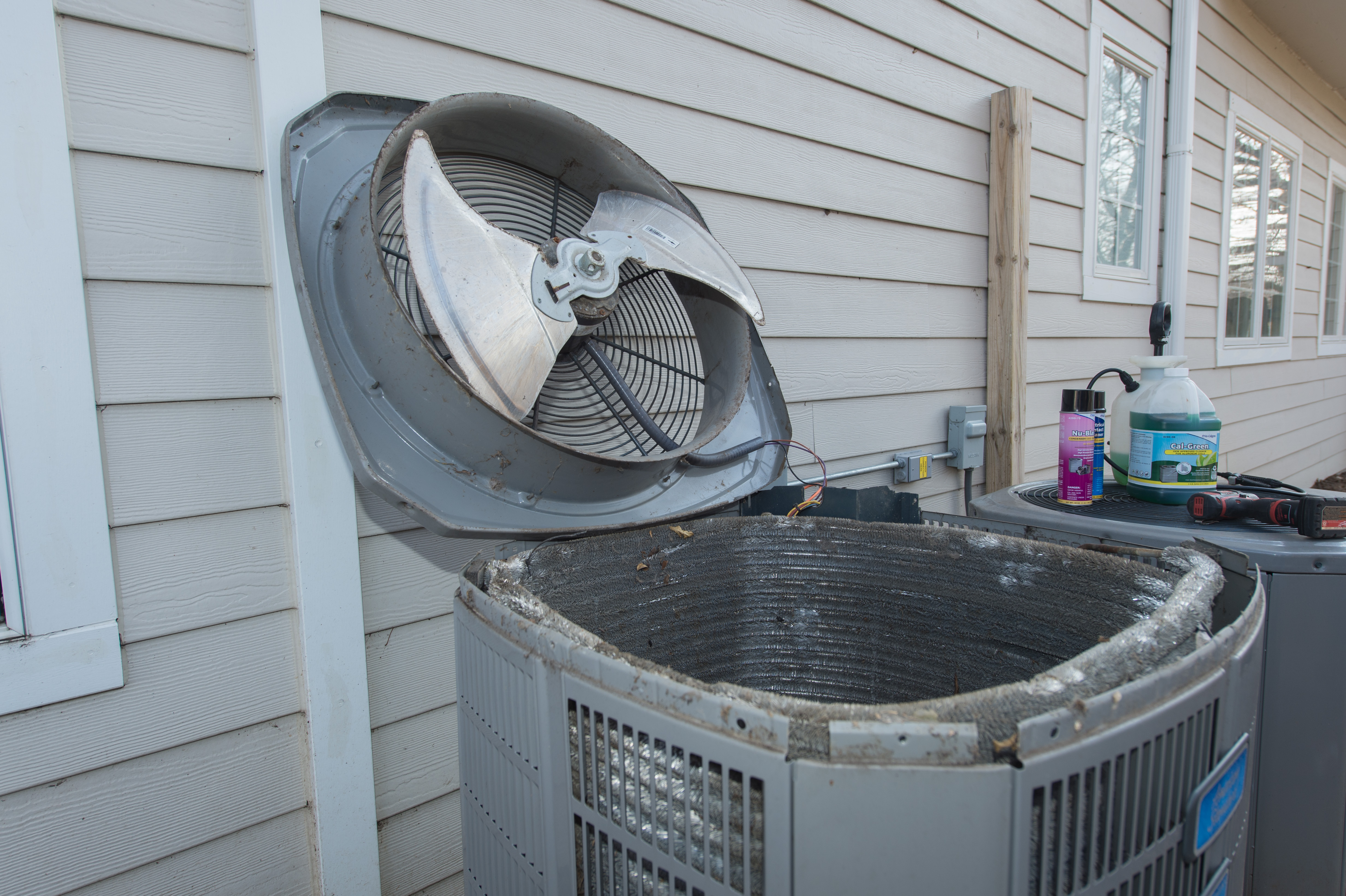
One thing that pays off regardless of what you install: maintenance. A dirty condenser coil can cut cooling efficiency noticeably, which is exactly the wrong direction when electricity costs 12% more than last year. We offer a Comfort plan for $279 that covers an AC cleaning and a furnace cleaning each year, and our membership plan takes $20 off those cleanings if you'd rather pay as you go. Either way, get the coils cleaned before next June. Your bill will thank you.
Questions we hear in the field
Will a heat pump even work in a Chicago winter?
Modern cold-climate heat pumps work fine well below freezing. The question isn't whether they work, it's what the electricity costs when they're running flat out. That's the problem the gas furnace side of a dual fuel system solves.
Do I need to replace my whole system for dual fuel?
Usually, yes. The heat pump and furnace share controls and need matched components. That said, if your furnace is relatively new and compatible, sometimes we can keep it. We'll tell you straight if that's the case.
What temperature does the system switch from heat pump to furnace?
It's adjustable. We typically set it somewhere in the 25 to 40 degree range based on your rates and how well your house holds heat. If ComEd prices move, the switchover point can move with them.
Are ComEd rates going to come down?
Not soon. The capacity auctions through 2028-2029 are already locked in at historically high prices. Plan your heating and cooling decisions around today's rates, not hopes for tomorrow's.
Bottom line
Electricity in northern Illinois is expensive and staying that way. Natural gas fuel costs are near multi-year lows. The federal heat pump credit is gone. Dual fuel puts each energy source where it's cheapest, handles Chicago weather without drama, and there are still utility rebates available to take the edge off the install.
If you're in the southwest suburbs and want someone to run the numbers on your actual house, not a brochure example, that's what we do. Always Ready Repair serves homeowners within about 14 miles of Orland Park, from Tinley Park and Palos Hills out to Frankfort, Mokena, and Homer Glen. Give us a call and we'll walk your options with you, whether that's dual fuel, a straight replacement, or just a cleaning to squeeze another season out of what you've got.