What Are the Most Common HVAC Problems in Orland Park? (And How to Fix Them)

The most common HVAC problems Orland Park homeowners face, what you can fix yourself, and when to call a NATE-certified technician.
learn more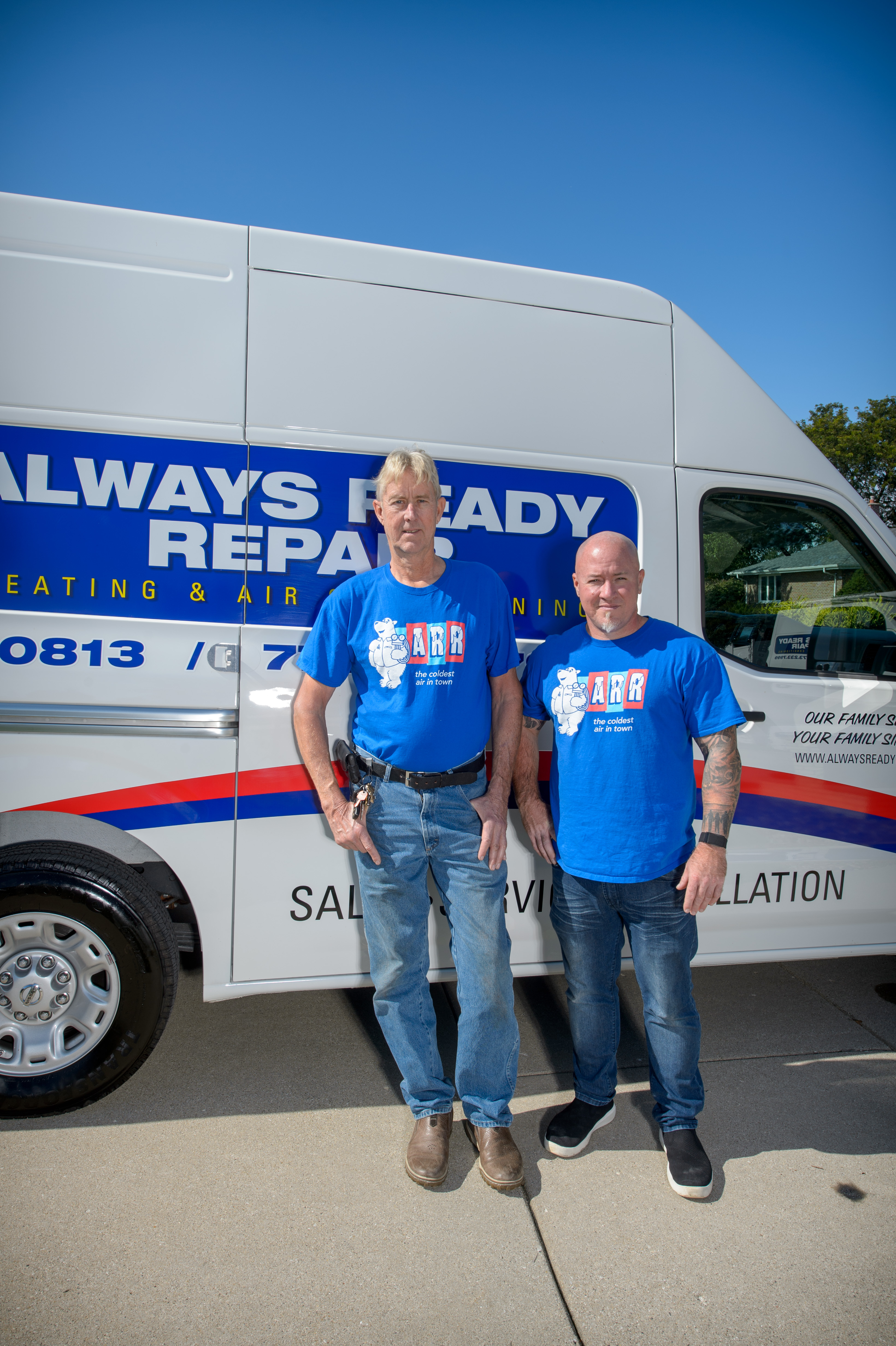
The most common HVAC problems in Orland Park homes are weak or no cooling, a furnace blowing cold air, short-cycling, water leaks around the equipment, strange noises, rising energy bills, and poor humidity control. Most trace back to a handful of causes — dirty filters, refrigerant leaks, failing capacitors, clogged condensate drains, and skipped maintenance — and some are safe to fix yourself. Here is how to tell the difference, from the NATE-certified technicians at Always Ready Repair, serving Orland Park since 1935.
What are the most common HVAC problems in Orland Park?
Why is my AC not cooling the house?
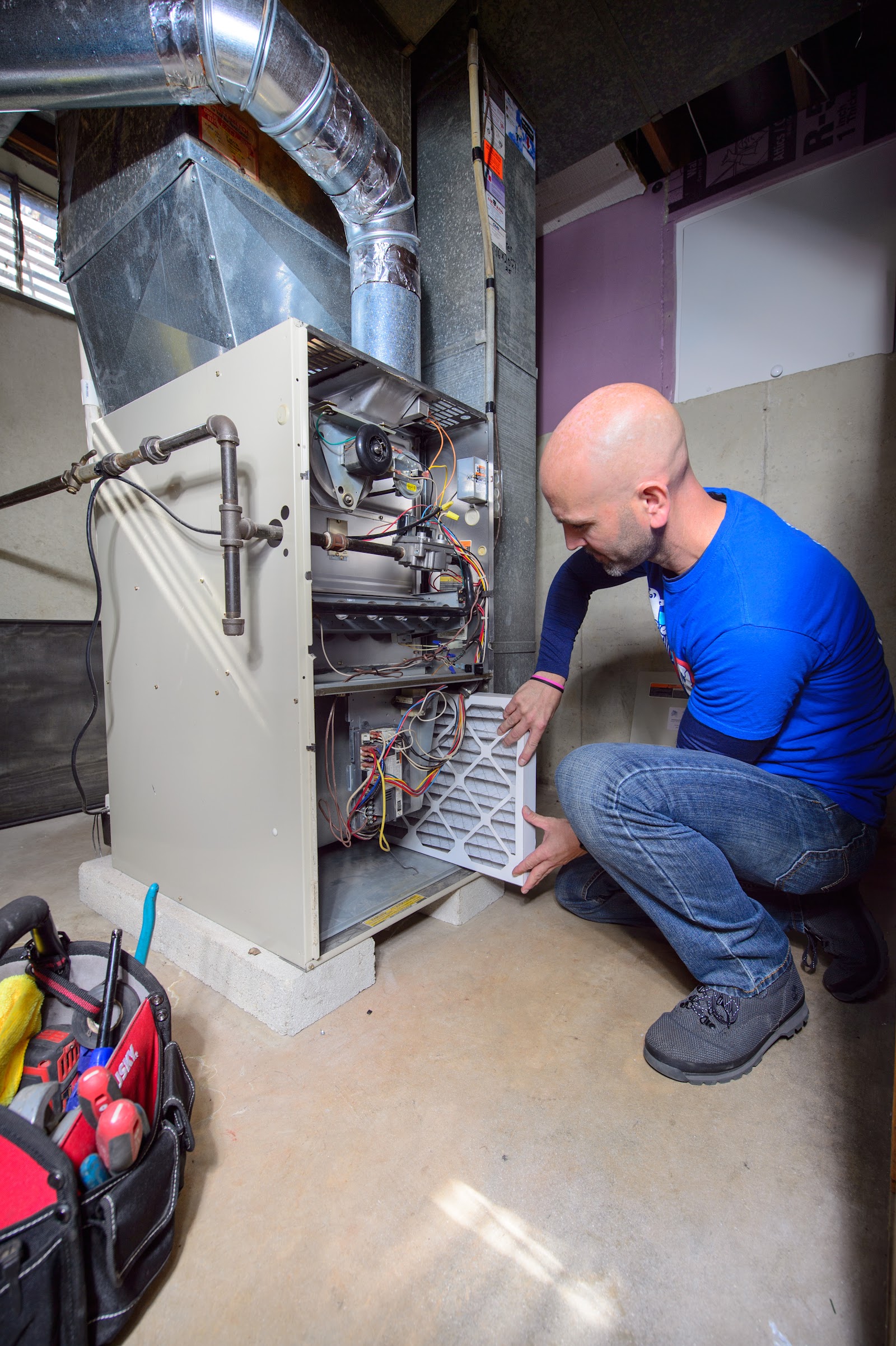
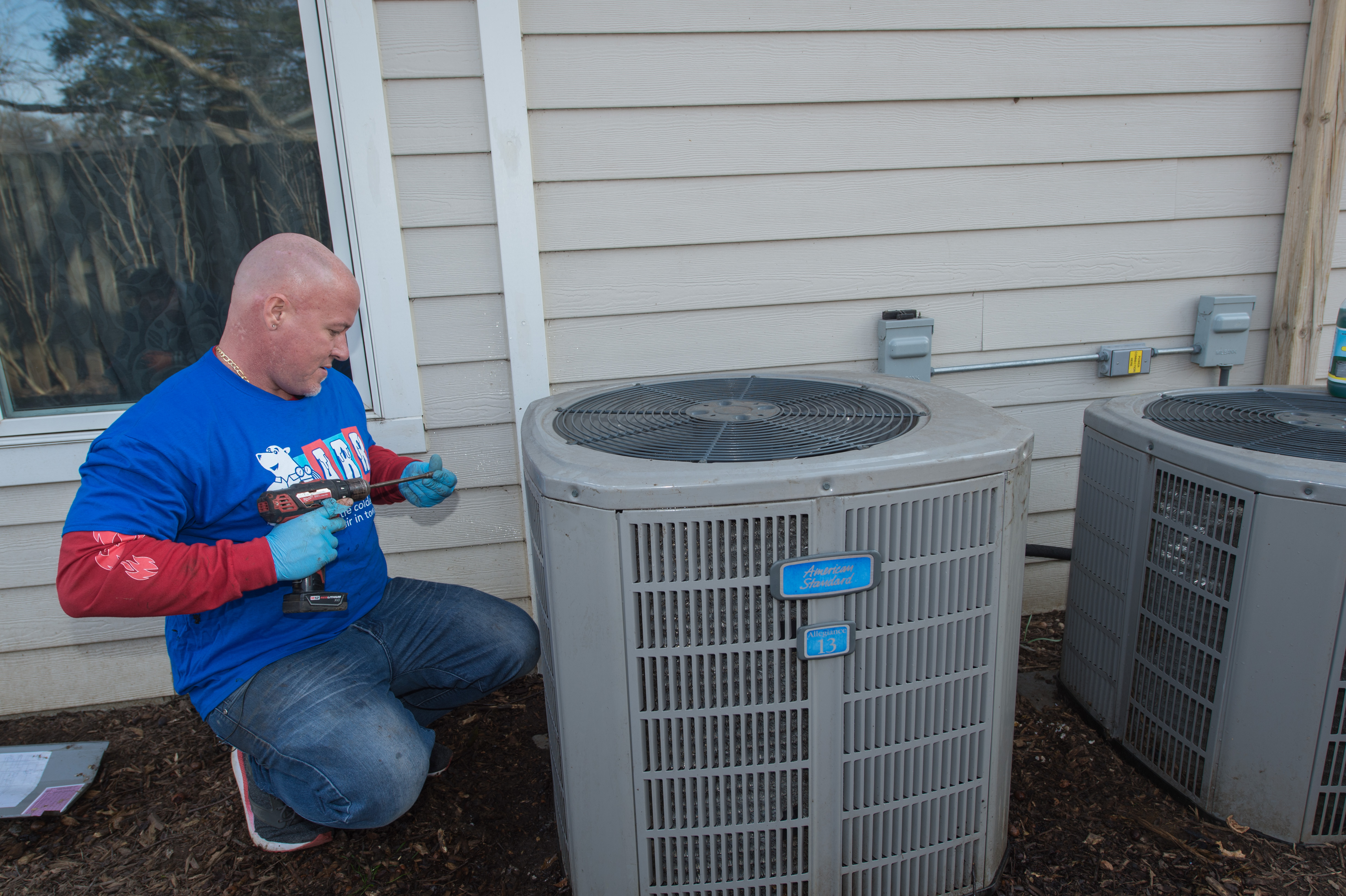
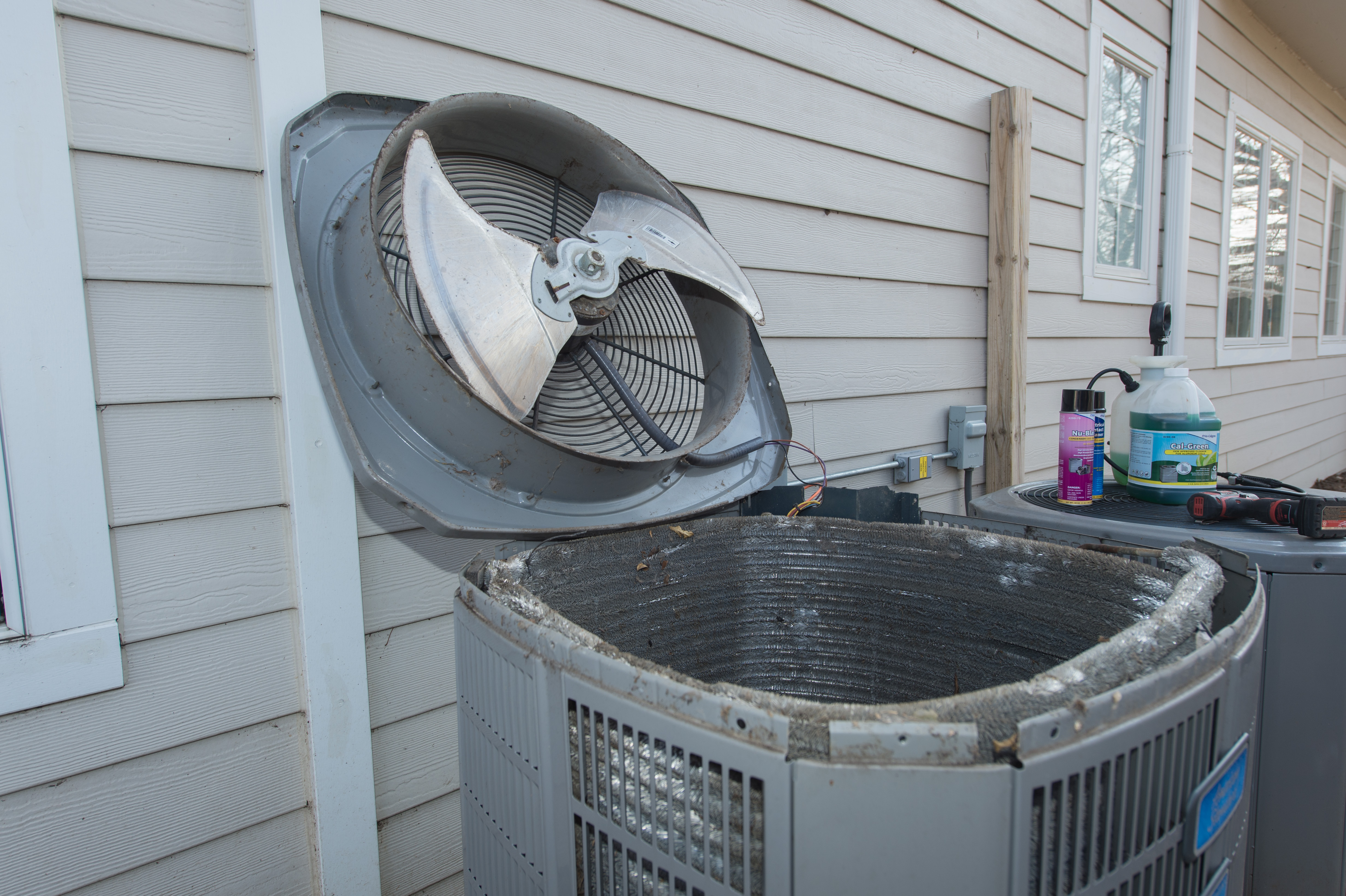
The most frequent causes are a clogged air filter, a refrigerant leak, or a condenser coil choked with debris — in Orland Park, June cottonwood season is notorious for matting condenser coils. Check and replace the filter first; if airflow is fine and the air still isn't cold, you likely have a refrigerant or compressor issue that requires a licensed technician. Our post on the top five reasons your AC isn't working walks through each cause.
Why is my furnace blowing cold air?
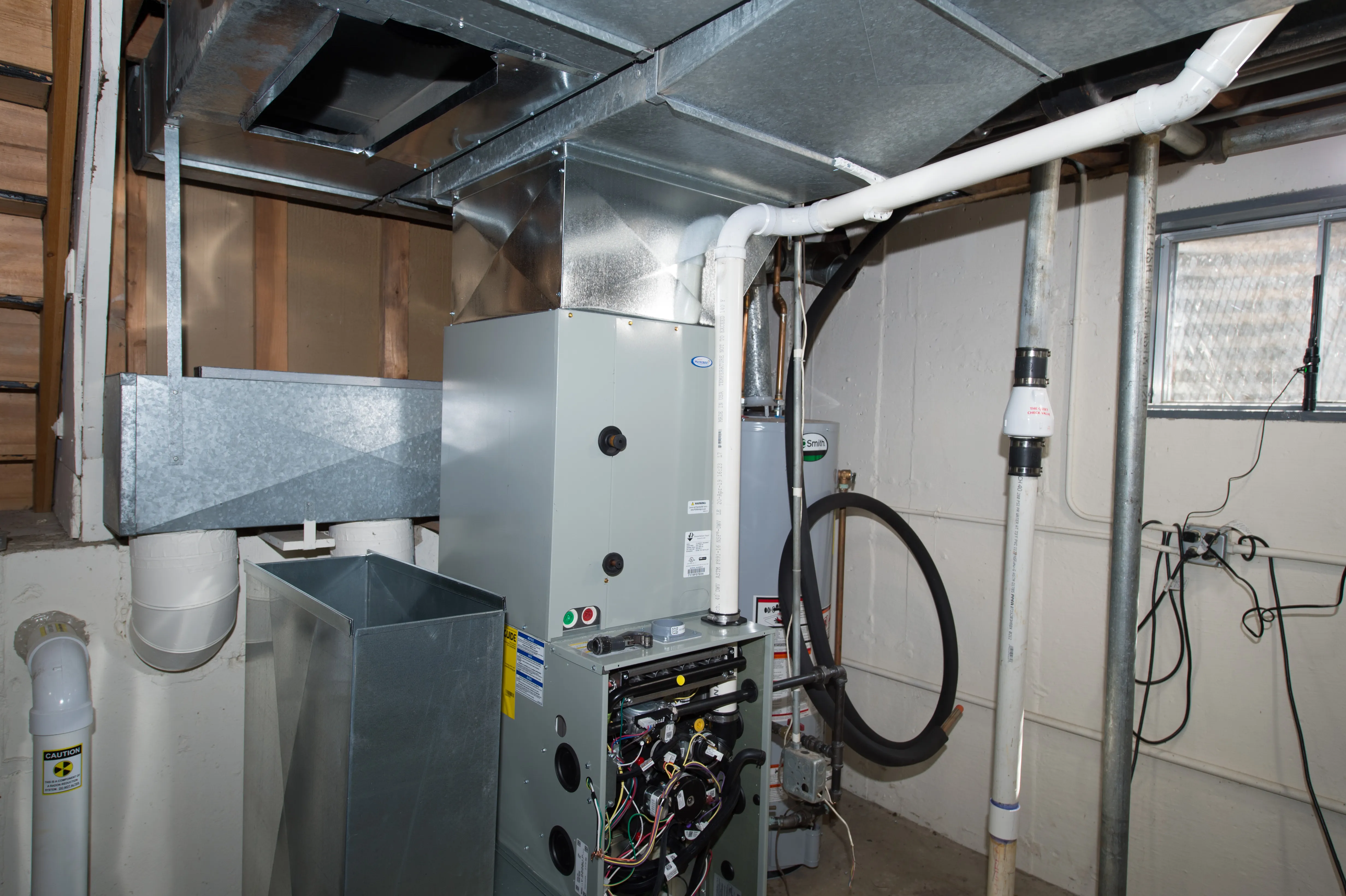
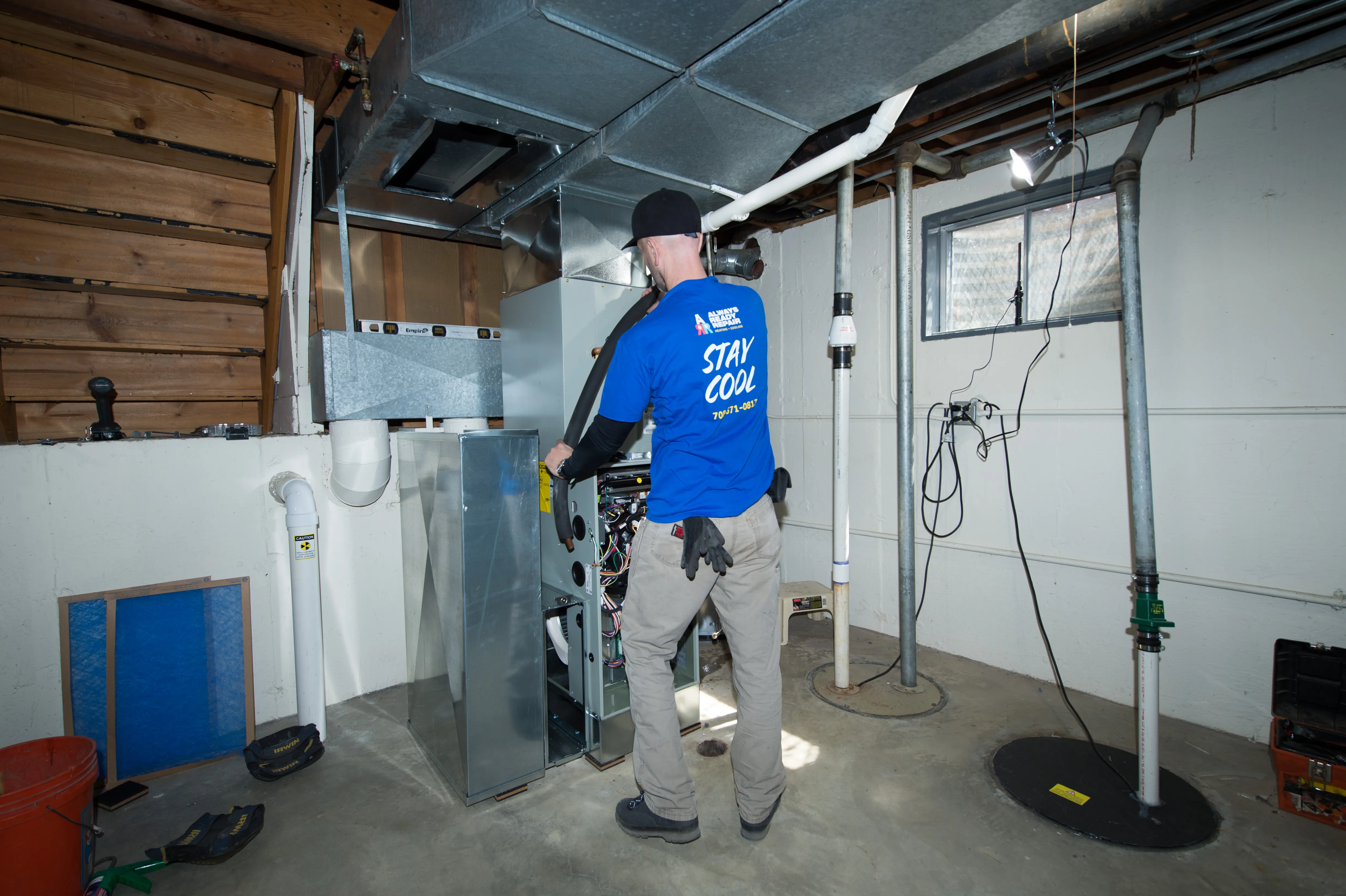
Usually the thermostat fan setting is on ON instead of AUTO, the filter is dirty enough to trip the limit switch, or the ignition system has failed. Chicagoland winters regularly push furnaces 60–70 degrees above the outdoor temperature for weeks at a time, so ignition and flame-sensor failures show up here more than in milder climates. Switch the fan to AUTO and replace the filter; if cold air persists, shut the system down and call for furnace repair — we answer 24/7.
Why does my HVAC system keep turning on and off (short-cycling)?
Short-cycling is most often a clogged filter, a frozen evaporator coil, or a system that was oversized for the house when it was installed. It wastes energy and wears out the compressor and igniter fast, so it is worth diagnosing early rather than living with it.
Why is water leaking around my furnace or AC?
A clogged condensate drain line is the usual culprit in summer; in winter, a leaking high-efficiency furnace often points to a blocked condensate trap or a failing secondary heat exchanger. Water around the equipment can damage floors and the unit itself — our guide to water leaking from a furnace covers what to check before you call.
Why is my HVAC system making strange noises?
Rattling usually means loose panels or duct joints, squealing points to a failing blower belt or motor bearing, and banging or booming from a furnace can indicate delayed ignition — which deserves prompt professional attention. Our breakdown of strange duct sounds can help you narrow it down by ear.
Why are my energy bills suddenly higher?
If your usage habits haven't changed, rising bills usually mean the system is working harder than it should: a dirty filter, low refrigerant, leaking ductwork, or an aging unit losing efficiency. A tune-up typically restores most of the lost efficiency, and ComEd offers rebates on high-efficiency replacements when it is genuinely time — see our ComEd HVAC rebates page.
Why is my house too humid in summer or too dry in winter?
Southwest-suburb summers are muggy and our winters are bone dry, so humidity swings hard in both directions. An AC that is oversized or low on refrigerant removes too little moisture in summer, while winter furnace heat drops indoor humidity below healthy levels — whole-home humidity control solves both ends.
Which HVAC problems can you fix yourself?
Three, safely: replace a dirty filter (check monthly in peak season), set the thermostat correctly and replace its batteries, and keep the outdoor condenser clear — rinse cottonwood fluff off the coil with a garden hose and keep two feet of clearance around the unit. Anything involving refrigerant, gas, or electrical components is not a DIY job; Illinois requires licensed technicians for refrigerant handling, and a mistake can turn a minor repair into a full replacement.
When should you call a professional?
Call a technician when the air isn't heating or cooling after a filter change, you see ice on the refrigerant lines, water is pooling, you smell gas or burning, or the system short-cycles. Always Ready Repair answers (708) 671-0813 around the clock, and we are repair-first: if a repair will solve the problem, that is what we will recommend — with the price in writing before any work starts.
How do you prevent HVAC problems in the first place?
Twice-a-year professional maintenance — an AC tune-up in spring and a furnace tune-up in fall — prevents the majority of the breakdowns on this list and keeps manufacturer warranties intact. Our Comfort Plan schedules both visits automatically and includes priority service when Orland Park hits its first 90-degree week or its first hard freeze.
Common HVAC problems in Orland Park: FAQ
How much does HVAC repair cost in Orland Park?
It depends on the failed component, the system's age, and refrigerant type — a capacitor swap sits at the low end while compressor or heat-exchanger work sits at the high end. Always Ready Repair provides transparent, upfront pricing before any work begins, so you approve the exact cost first; see how our transparent pricing works.
Who fixes HVAC problems in Orland Park?
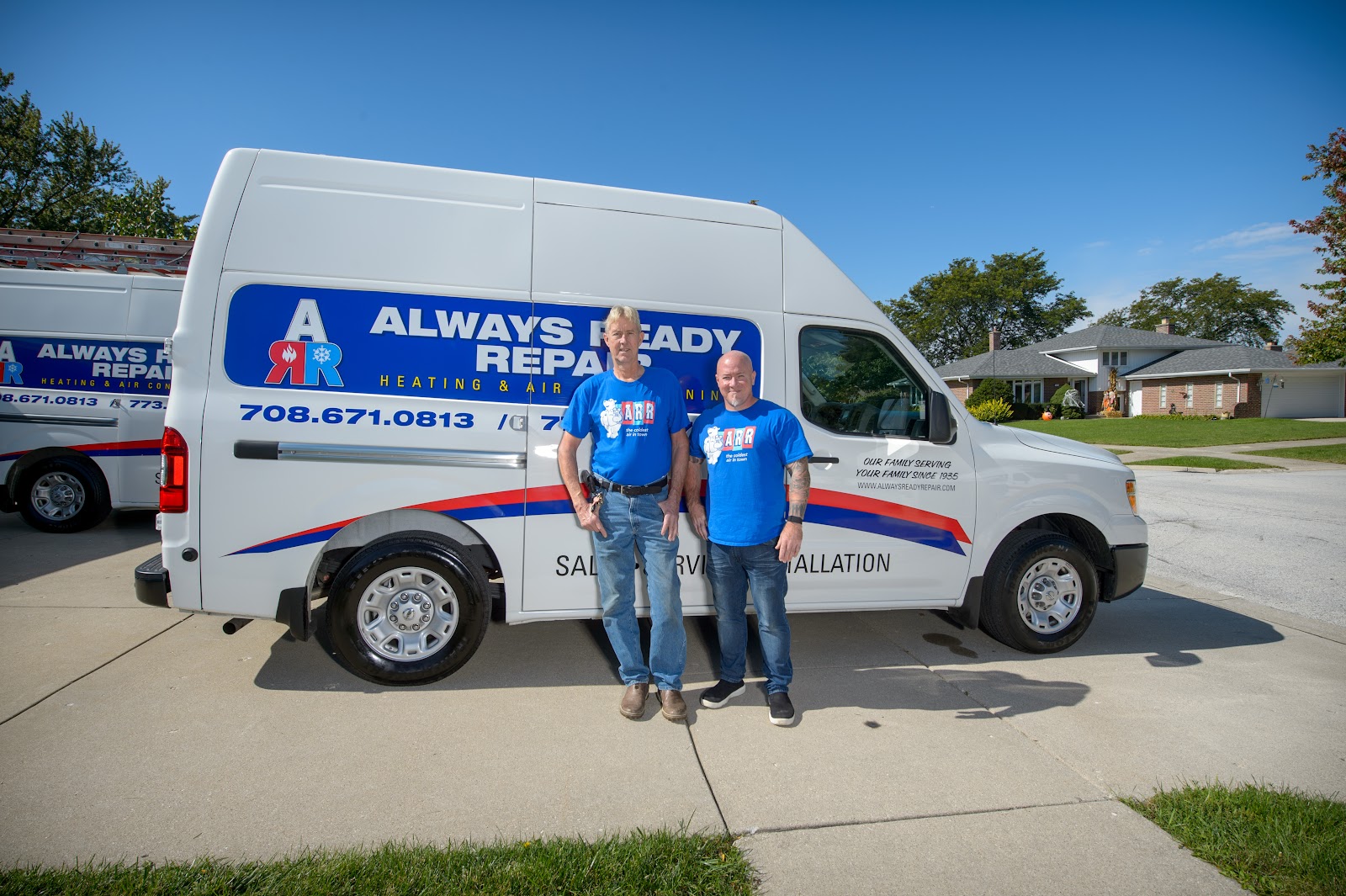
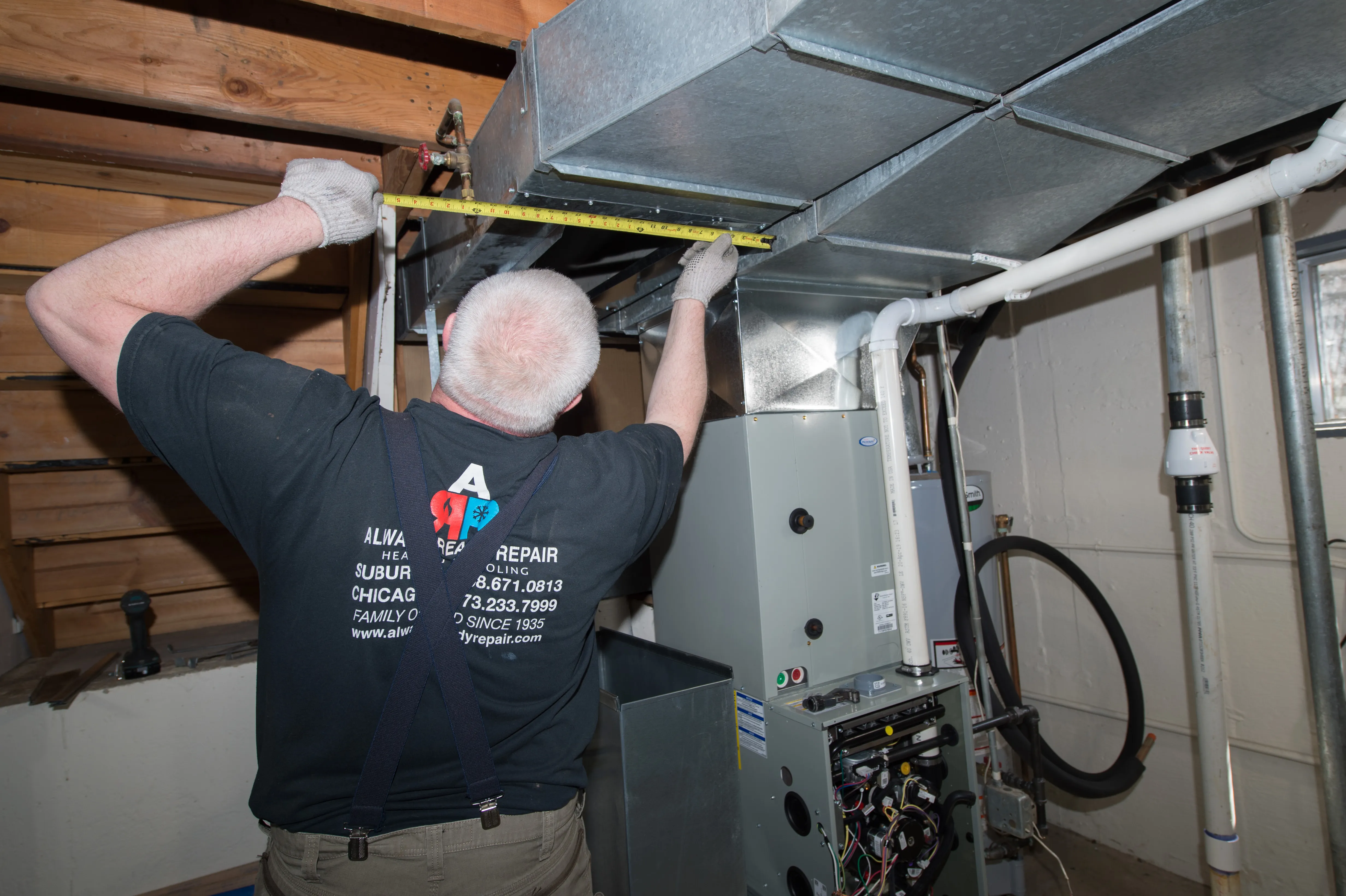
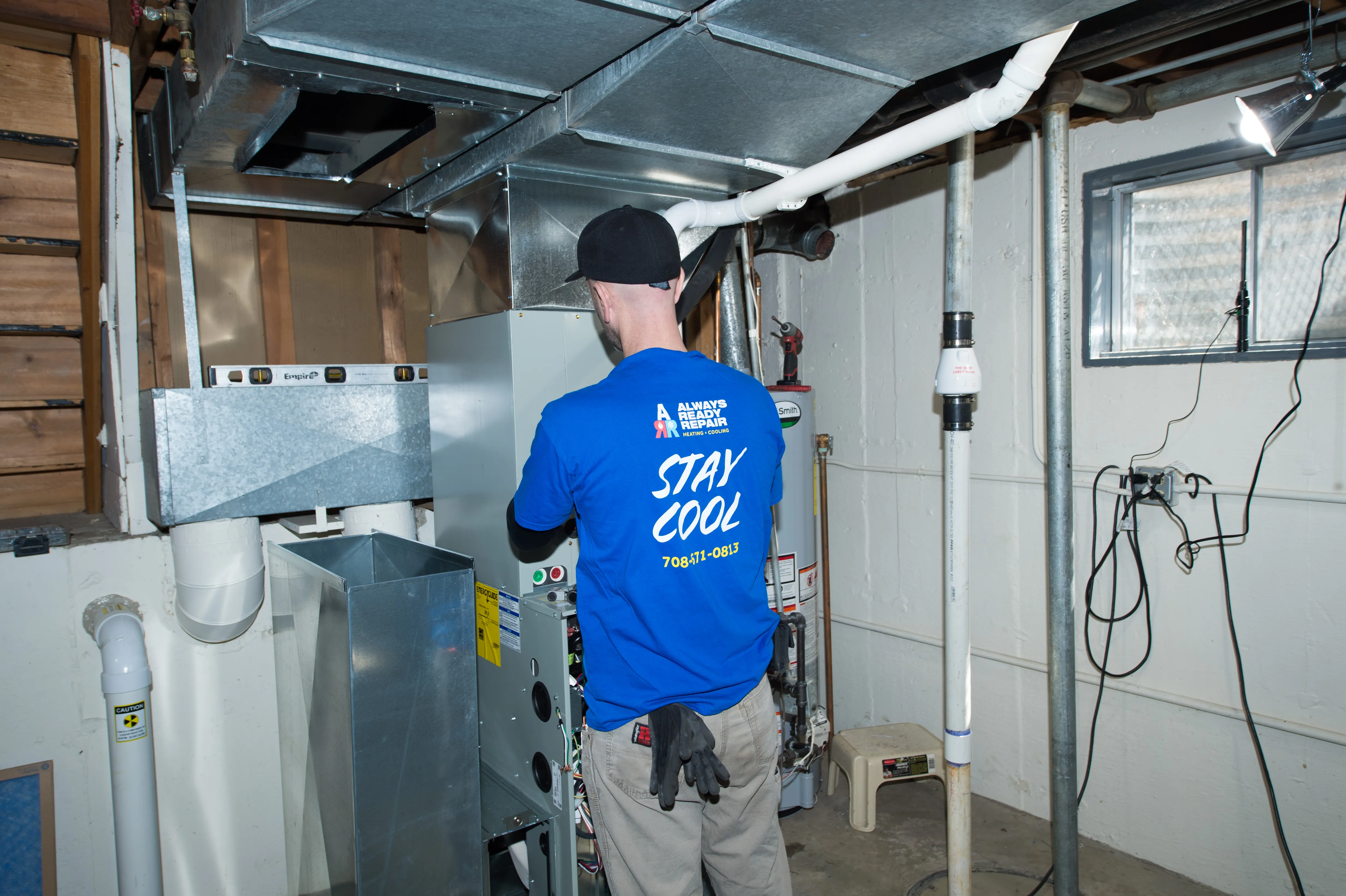
Always Ready Repair — family-owned since 1935, three generations, NATE-certified technicians, serving Orland Park, Tinley Park, and the surrounding southwest suburbs with 24/7 repair, maintenance, and installation. Book service online or call (708) 671-0813.