Furnace Making a Noise? What Each Sound Means

What that bang, squeal, rattle or boom from your furnace actually means — and which sounds mean shut it off and call now.
learn more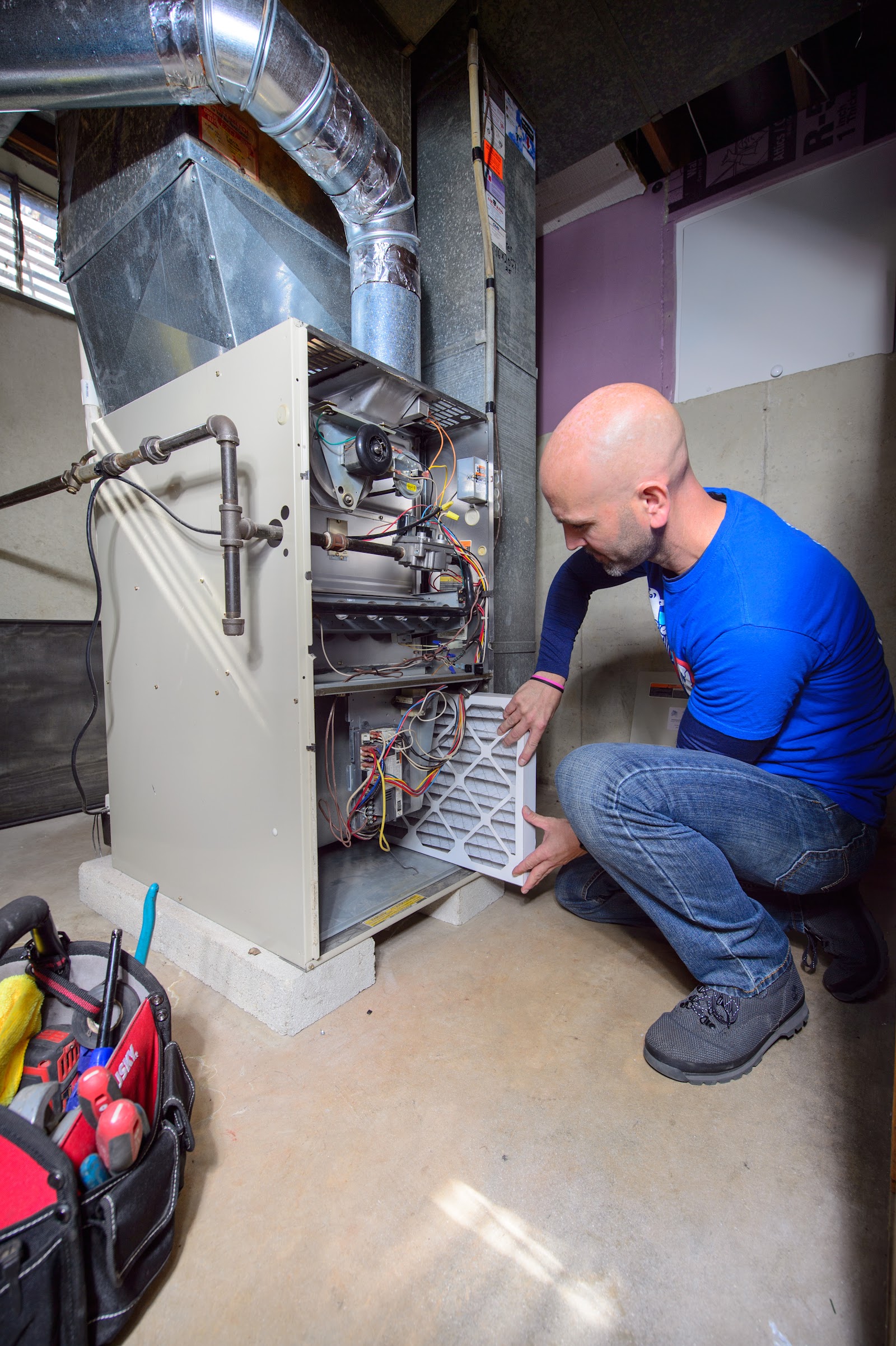
A furnace is never completely silent. But the first cold morning of the season is when most Chicagoland homeowners notice a sound that wasn't there in March — and the question is always the same: is this normal, or is this the start of a repair bill?
What do different furnace noises mean?
Most furnace noises fall into six categories, and the sound itself usually points to the failing part: banging means delayed ignition or expanding ductwork, squealing means a belt or motor bearing, grinding means a failing blower motor, rattling means loose panels or a cracked heat exchanger, clicking means an ignition problem, and a boom on startup means gas is pooling before it lights. Two of those — a startup boom and a rattle paired with a burning smell — mean shut the system off and call for service.
Banging or booming when the furnace starts
A single loud bang a few seconds after the furnace kicks on is delayed ignition. Gas builds up in the combustion chamber because the burners are dirty or the igniter is weak, then all of it lights at once. That small explosion stresses the heat exchanger every time it happens, and a cracked heat exchanger is the repair that ends a furnace's life. If your furnace booms on startup, stop using it and have it looked at.
A softer bang from the walls or ceiling when the blower starts or stops is different — that is usually sheet-metal ductwork flexing under air pressure. It is annoying rather than dangerous, and it is often fixed by correcting undersized return ducts or a filter that is too restrictive.
Squealing or screeching
A high-pitched squeal, especially right when the blower starts, points to the blower motor — a worn bearing, a slipping belt on older units, or a motor running dry of lubrication. Caught early this is an inexpensive repair. Ignored, the motor seizes, and on a January night that is a no-heat call.
Grinding or scraping metal
Metal-on-metal grinding means the blower wheel is hitting the housing, or the motor bearings have failed outright. Shut the furnace off. Running it in this condition can turn a blower repair into a blower-and-motor replacement.
Rattling or vibrating
Start with the easy causes: a loose access panel, screws backed out of the cabinet, or the furnace sitting unevenly on its pad. If the panels are tight and the rattle continues — particularly if it comes and goes with the burners rather than the blower — it can signal a cracked heat exchanger. That is a carbon monoxide risk and needs a technician with a combustion analyzer, not a guess.
Clicking that doesn't lead to heat
Repeated clicking with no flame is the igniter or flame sensor. A dirty flame sensor is one of the most common no-heat calls we run, and it is also one of the cheapest fixes — the sensor gets cleaned, the furnace lights, and you are back in business. Clicking from the thermostat with no response at the furnace is usually a control or wiring issue instead.
Humming
A low hum is normal. A loud electrical hum with no blower movement points to a failing capacitor or a motor trying to start and failing. Capacitors are inexpensive and fail often in extreme temperature swings.
Which furnace noises mean you should shut it off immediately?
Shut the system down and call for service if you hear a boom on startup, metal-on-metal grinding, or any rattle that comes with a burning or sulfur smell. Each of those is either an active safety issue or a sound that gets more expensive every hour the system keeps running.
Can furnace noises be prevented?
Most of them, yes. The majority of the sounds above trace back to dirt, wear, or loose hardware — all of which a seasonal tune-up catches. Cleaning the burners prevents delayed ignition. Cleaning the flame sensor prevents the click-with-no-heat call. Lubricating and inspecting the blower catches a bearing before it screams. Tightening the cabinet stops the rattle before you start wondering about the heat exchanger.
A fresh filter matters more than most homeowners expect, too: a clogged filter starves the blower, raises static pressure, and makes ductwork pop and the motor work harder. You can order filters shipped to your door so you are never putting off a change because of a trip to the store.
Furnace noise FAQ
Is it normal for a furnace to be louder when it first starts in the fall?
Some extra noise on the first few cycles of the season is normal — dust burning off the heat exchanger, metal expanding after months of sitting idle. It should settle within a cycle or two. A sound that repeats every single startup is not seasonal; it is a symptom.
How loud should a furnace be?
A properly running furnace produces a steady airflow sound and little else. If you can hear it clearly from another room, or if the sound changed noticeably from last winter, something has shifted.
Does a noisy furnace mean I need a new one?
Usually not. Most noises on this list are repairs, not replacements — igniters, sensors, capacitors, blower motors, loose panels. The exception is a confirmed cracked heat exchanger, which on most systems means replacement. We diagnose before we quote, and we repair when repair is the right answer.
How often should a furnace be serviced?
Once a year, before the heating season. Comfort Plan members get their seasonal tune-ups scheduled automatically, plus priority booking when the cold snap hits and everyone calls at once.
Related reading
- Water leaking from your furnace — what it means
- New HVAC smells: what's normal and what's not
- Why to book a furnace check before the cold season
Hearing something you don't like?
Always Ready Repair has been diagnosing furnace noises in the southwest suburbs since 1935 — family-owned, three generations, NATE-certified technicians, and a repair-first approach that means we tell you when a fix will hold. We run heating calls across Orland Park, Tinley Park, Palos Park and the surrounding suburbs.
Book service online or call (708) 671-0813.