Why Is My AC Not Cooling the House? Every Cause and How to Fix It

Every reason an AC stops cooling — from dirty filters to refrigerant leaks — what you can safely fix yourself, and when to call a pro.
learn more
An air conditioner that runs but doesn't cool almost always has one of eight problems: a dirty filter, a tripped breaker or thermostat setting, a clogged outdoor condenser, a frozen evaporator coil, a refrigerant leak, a failed capacitor, leaking ductwork, or a compressor on its way out. The first three you can check yourself in ten minutes; the rest need a licensed technician. Here is the full diagnostic, in the order a professional would run it, from the NATE-certified team at Always Ready Repair.
First: is it blowing warm air, or weak air?
This one distinction cuts the problem list in half. Warm air at normal force points to refrigerant, compressor, or thermostat problems. Cold air at weak force points to airflow problems — filter, blower, ducts, or a frozen coil. Check the air at a register with your hand before anything else.
What can you check yourself?
Is the air filter dirty?
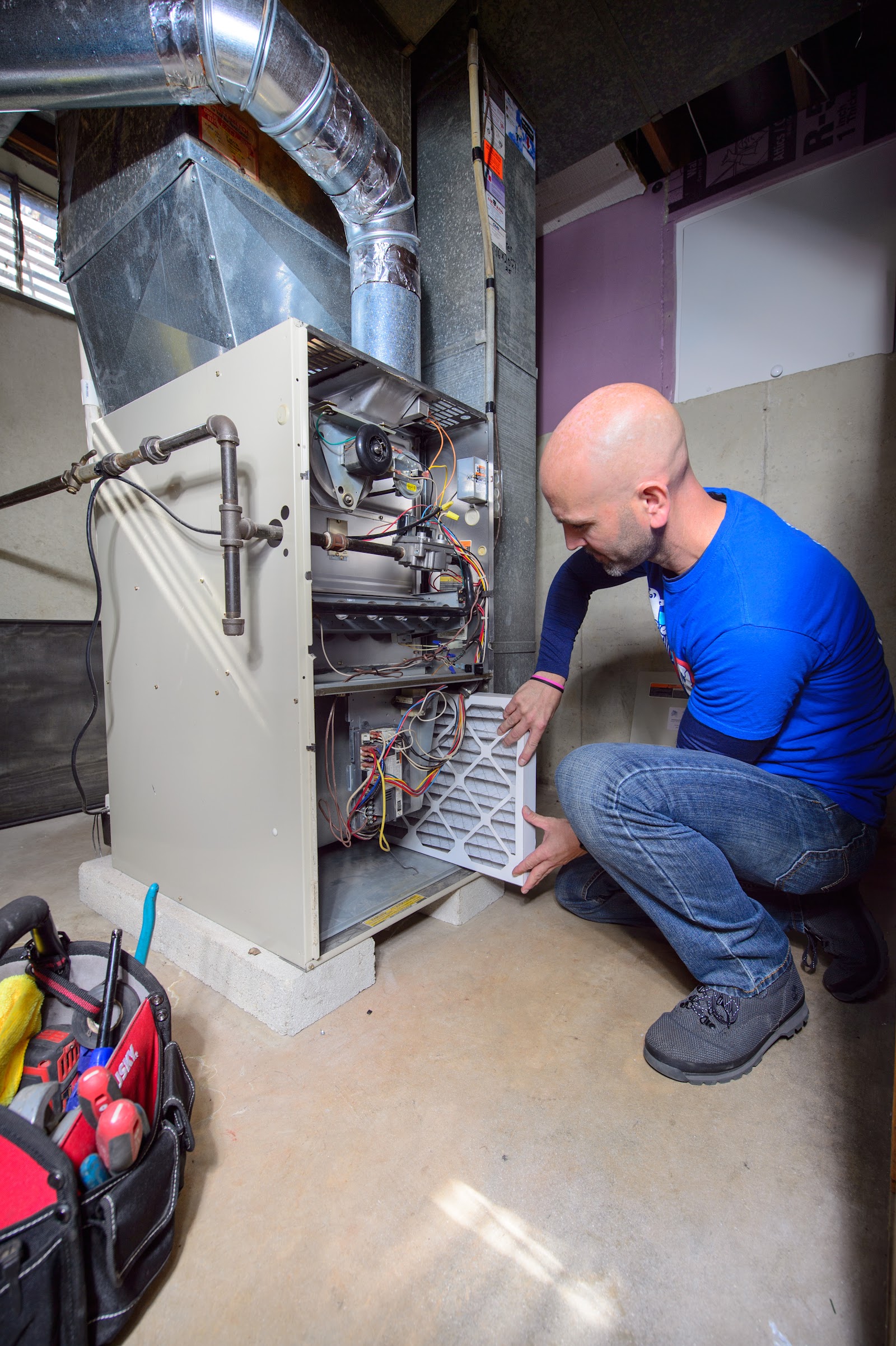
A clogged filter is the single most common cause of an AC that can't keep up. Pull it out and hold it to a light — if you can't see light through it, replace it, and give the system a few hours to recover. Check monthly during summer.
Is the thermostat set correctly?
Confirm it is on COOL with the fan on AUTO, and replace the batteries. A surprising share of no-cool calls end here — and if your thermostat is old, it may be time to upgrade it.
Is the outdoor unit clogged?
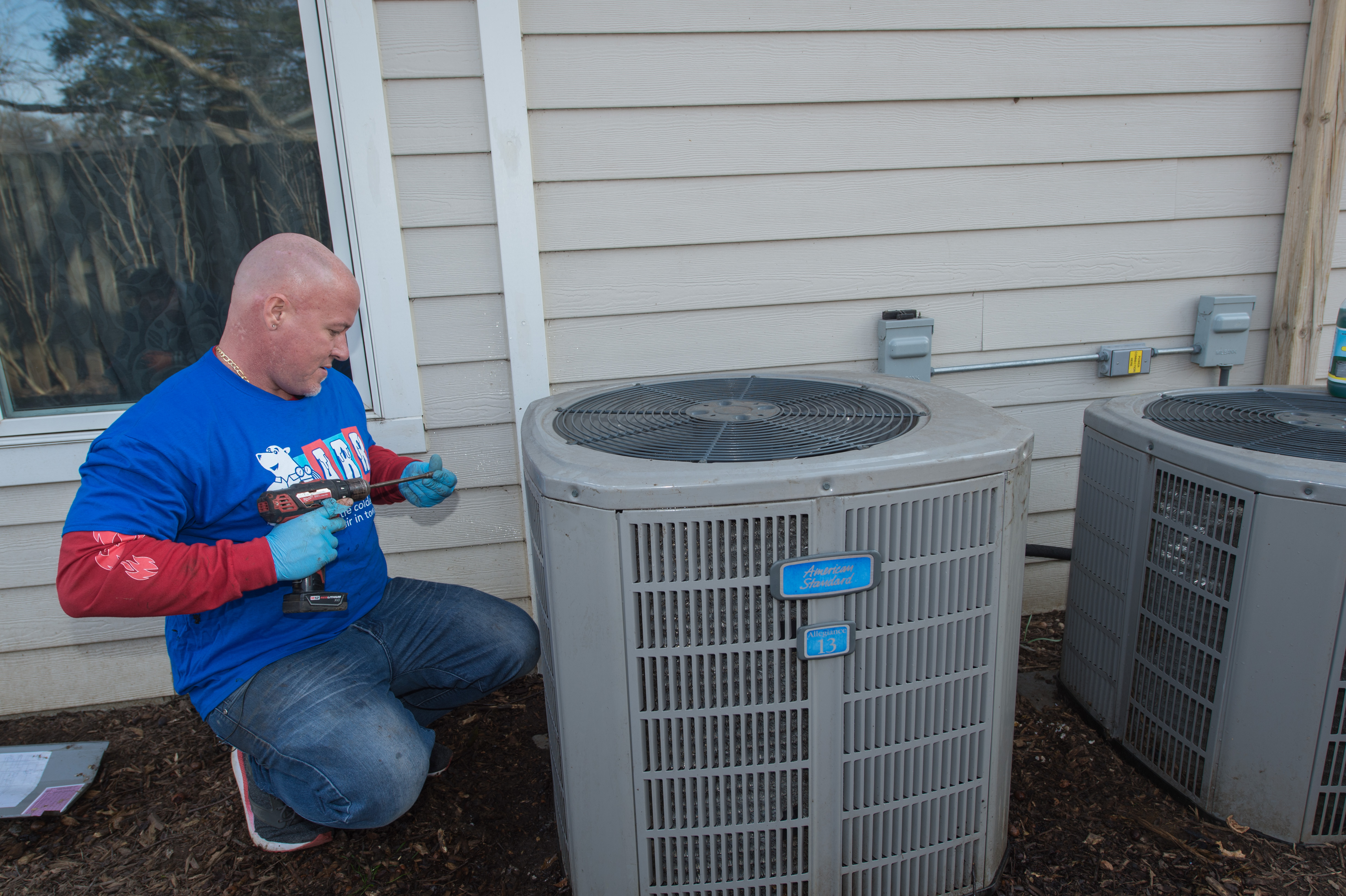
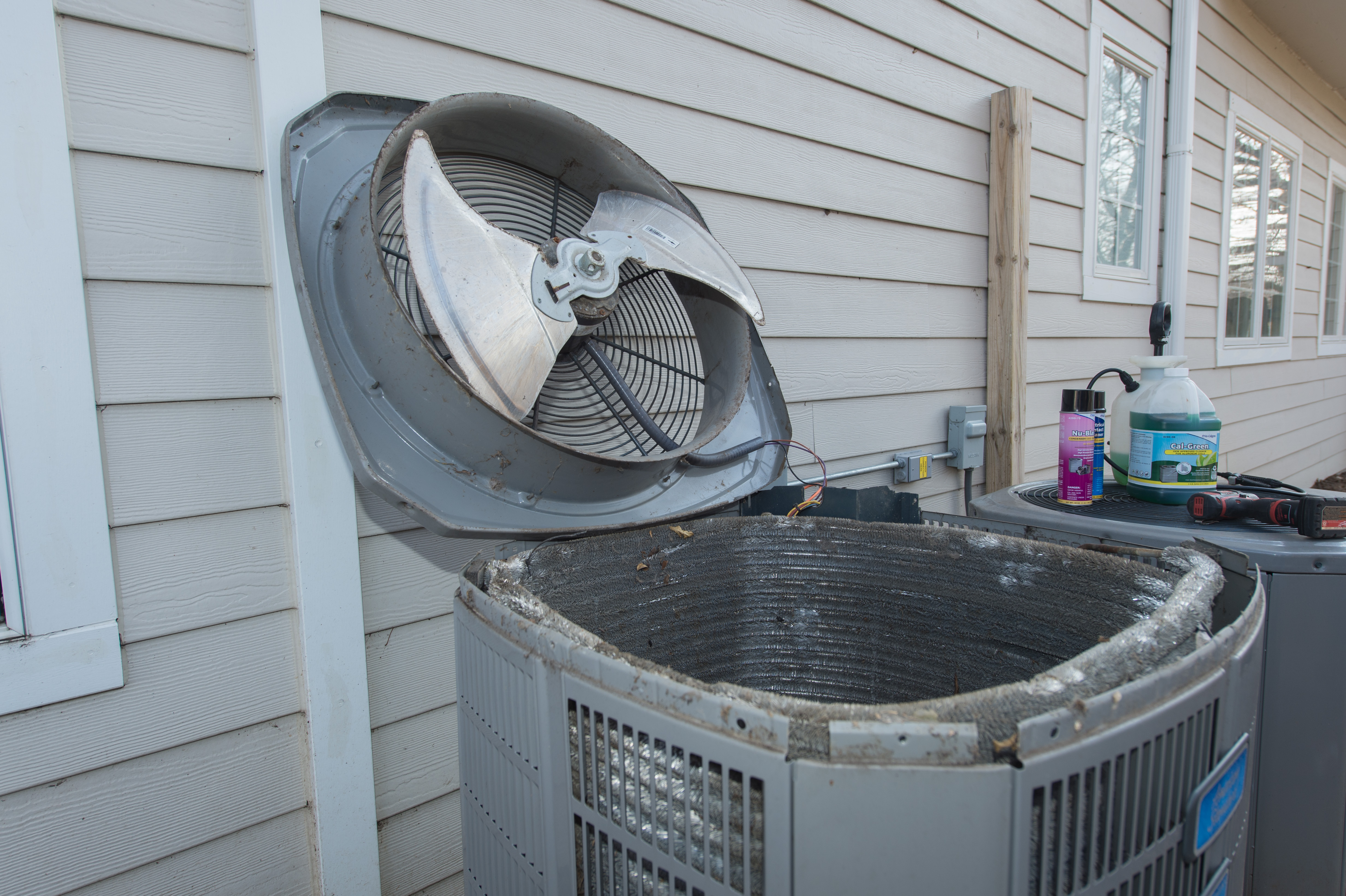
The condenser needs to shed heat. If the coil is matted with cottonwood fluff, grass clippings, or leaves — a June ritual across the Chicago southwest suburbs — shut the system off and rinse the coil gently with a garden hose. Keep two feet of clearance on all sides.
What problems need a professional?
Is the evaporator coil frozen?
Ice on the indoor coil or refrigerant lines means the system must be shut off immediately — running it can destroy the compressor. Ice is a symptom, not the disease: the cause is airflow restriction or low refrigerant, and a technician needs to determine which.
Is the refrigerant low?
Refrigerant does not get "used up" — if it is low, it leaked, and topping it off without fixing the leak buys weeks, not years. Illinois requires EPA-certified technicians for refrigerant work. Our post on the top five reasons your AC isn't working covers how leaks present.
Has a capacitor or the compressor failed?
A humming outdoor unit whose fan won't spin usually means a failed capacitor — one of the cheapest AC repairs there is. A compressor that won't start at all is the most serious diagnosis and the point where repair-versus-replace math matters; our Chicagoland HVAC cost guide walks through that decision.
Are the ducts leaking?
If some rooms are cold and others warm, or the system cools poorly despite everything above checking out, conditioned air may be dumping into the attic or crawlspace through duct leaks — noisy ducts are often the tell.
Why does an AC struggle most during extreme heat?
Every weakness — marginal refrigerant charge, dirty coils, undersizing — shows up on 95-degree days when the system has no headroom. Why your AC struggles during extreme heat explains the physics; the practical answer is a spring tune-up through the Comfort Plan before the first heat wave, not during it.
AC not cooling: FAQ
Should I keep running an AC that isn't cooling?
No — if it is blowing warm air or you see ice, shut it off. Running a struggling system can turn a modest repair into a compressor replacement.
Who fixes an AC that won't cool in the Chicago southwest suburbs?
Always Ready Repair — family-owned since 1935, NATE-certified, repair-first, with transparent written pricing and 24/7 service across Orland Park, Tinley Park, Palos Park, and the surrounding suburbs. Book service online or call (708) 671-0813.