How Much Does Furnace Replacement Cost in Chicagoland? (2026 Guide)

What Chicagoland homeowners should expect to pay for furnace replacement in 2026 — cost factors, efficiency tiers, rebates & financing.
learn more
“How much is this going to cost me?” It's the first question every homeowner asks when a furnace starts failing — and the honest answer is: it depends on your home. But “it depends” isn't helpful when you're budgeting, so here's a straight look at what actually drives furnace replacement cost in the Chicago area, where the money goes, and how to keep the total down.
The factors that set your price
System size. Furnaces are sized in BTUs based on your home's square footage, insulation, and layout. An undersized furnace runs constantly and wears out early; an oversized one short cycles and heats unevenly. A proper load calculation — not a copy of whatever was installed 20 years ago — is the foundation of a fair quote.
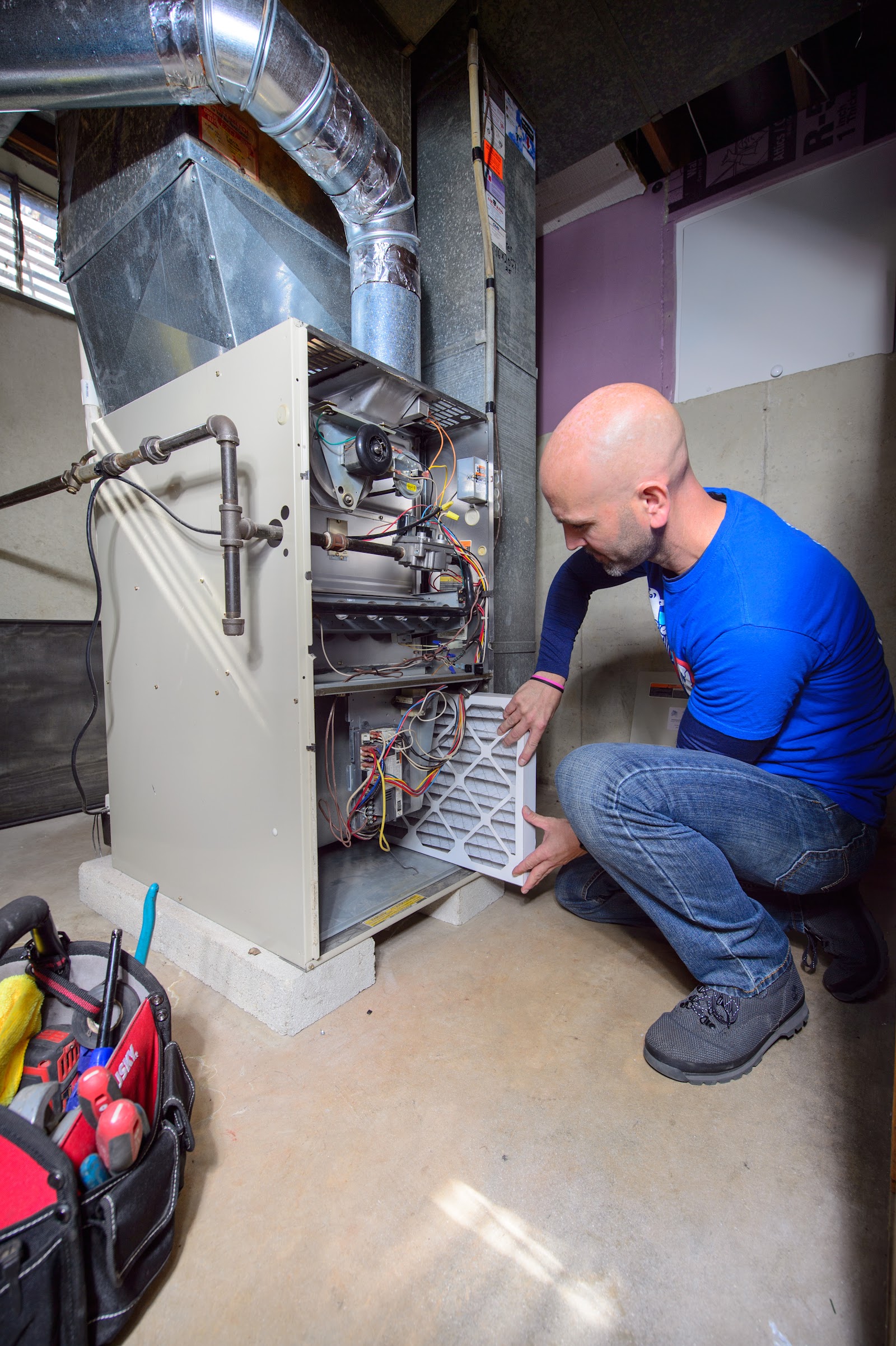
Efficiency tier. Standard-efficiency (80% AFUE) furnaces cost less up front. High-efficiency (90–98% AFUE) models cost more but burn meaningfully less gas every month — in a climate with winters like ours, the fuel savings are real. Variable-speed blowers and two-stage burners add comfort and quiet but also add cost.
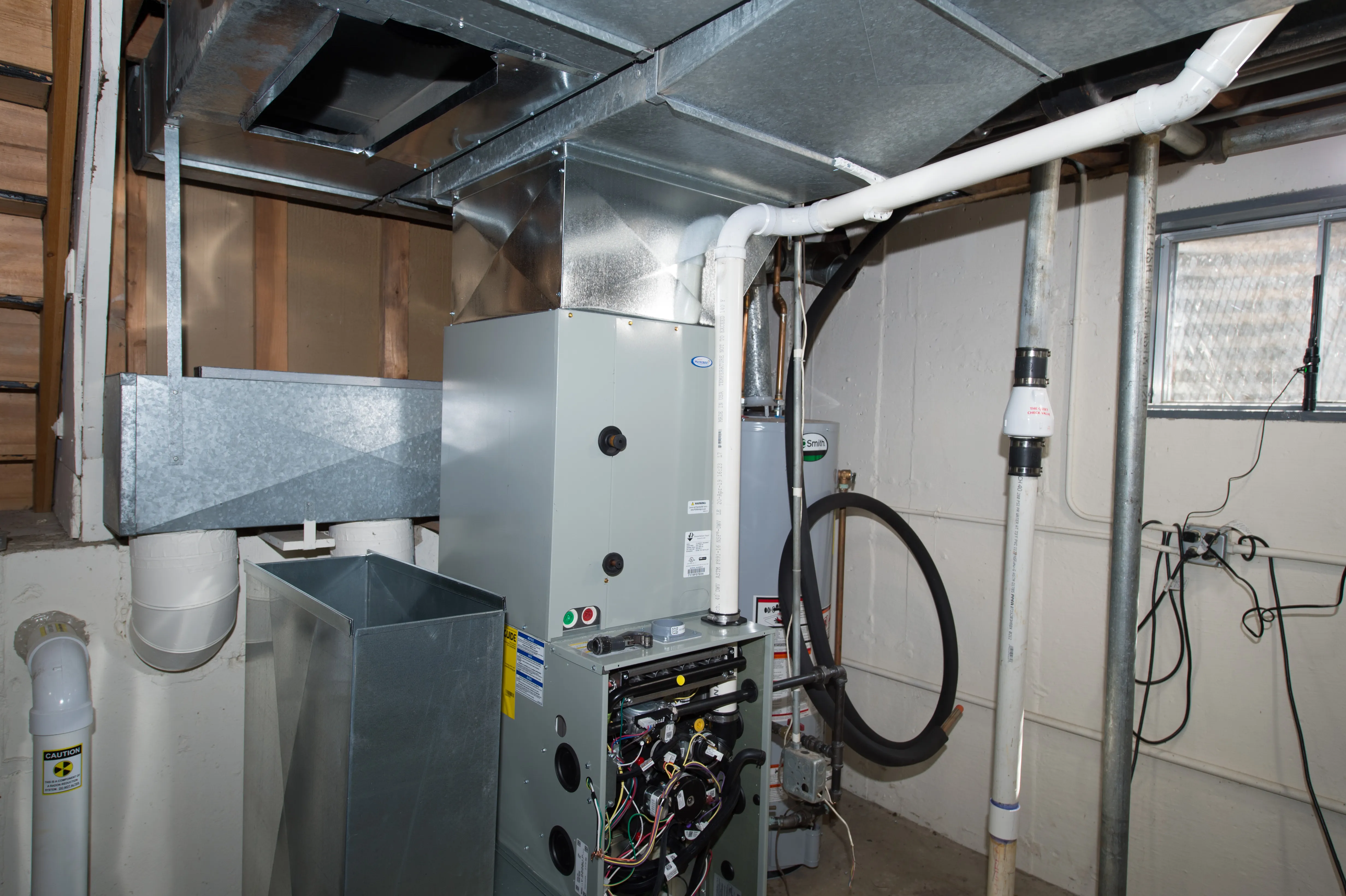
Ductwork and venting. If your ducts are undersized, leaky, or your venting needs updating to code, that work belongs in the quote — not discovered halfway through the install.
System type. A straightforward gas furnace swap sits at the lower end. Adding a heat pump for dual-fuel operation, replacing a boiler, or going ductless changes the equation — sometimes with better long-term economics, especially with rebates.
Where homeowners get burned
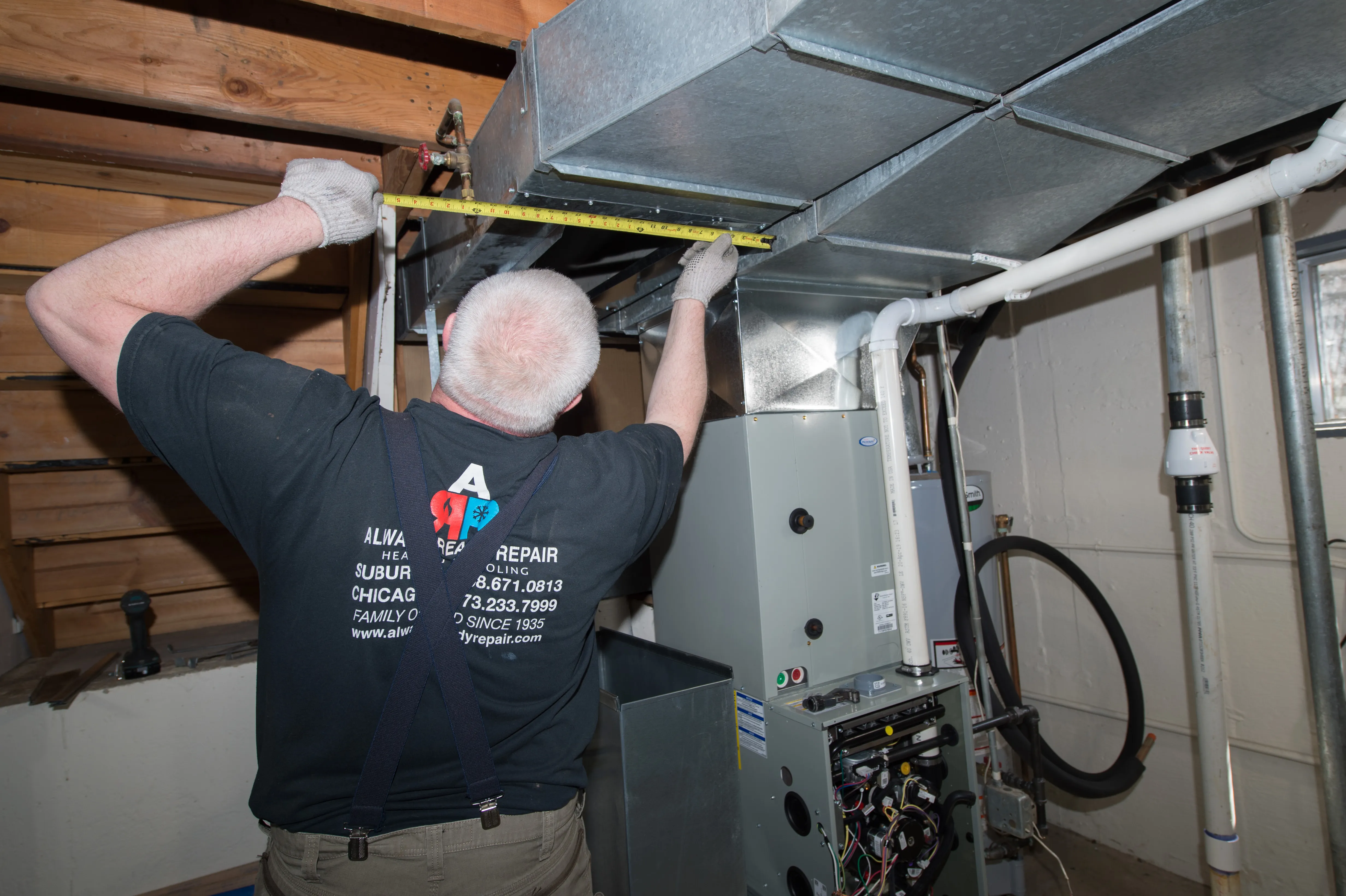
The complaints we hear from neighbors who used the big-box chains fall into two buckets: high-pressure upsells (a massive replacement quote for what should have been a repair) and lowball quotes that grow once the old unit is out. Both are avoidable: get a written, itemized quote up front, ask what happens if something unexpected is found, and be suspicious of any company that quotes a replacement without measuring anything. Our approach is transparent pricing — the number you approve is the number you pay.
How to lower the real cost
Rebates. High-efficiency equipment may qualify for utility rebates — we handle the ComEd rebate paperwork for our customers. Financing. Spreading the cost through Service Finance keeps a mid-winter replacement from wrecking your budget. Timing. Replacing a dying furnace in September or October — before the first freeze and the emergency-season rush — gives you time to compare options instead of taking whatever's available on the coldest day of the year.
Repair or replace?
A good rule of thumb: if the furnace is under 12 years old and the repair is modest, repair it. If it's 15+ years old and the repair costs more than half of a new system — or the heat exchanger is cracked — replace it. Not sure what a repair should run? Our furnace repair cost guide breaks down what drives the price. We're a repair-first company, and we'll tell you honestly which side of that line you're on. Learn more about our heating replacement service.
Want a real number for your home? Replacement estimates are free. Book online or call (708) 671-0813 — family-owned and heating Chicagoland's southwest suburbs since 1935.