Furnace Went Out at Night: Emergency Call or Wait Until Morning?

No heat in the middle of the night? When it is a true emergency, when it can wait until morning, and what to check first.
learn more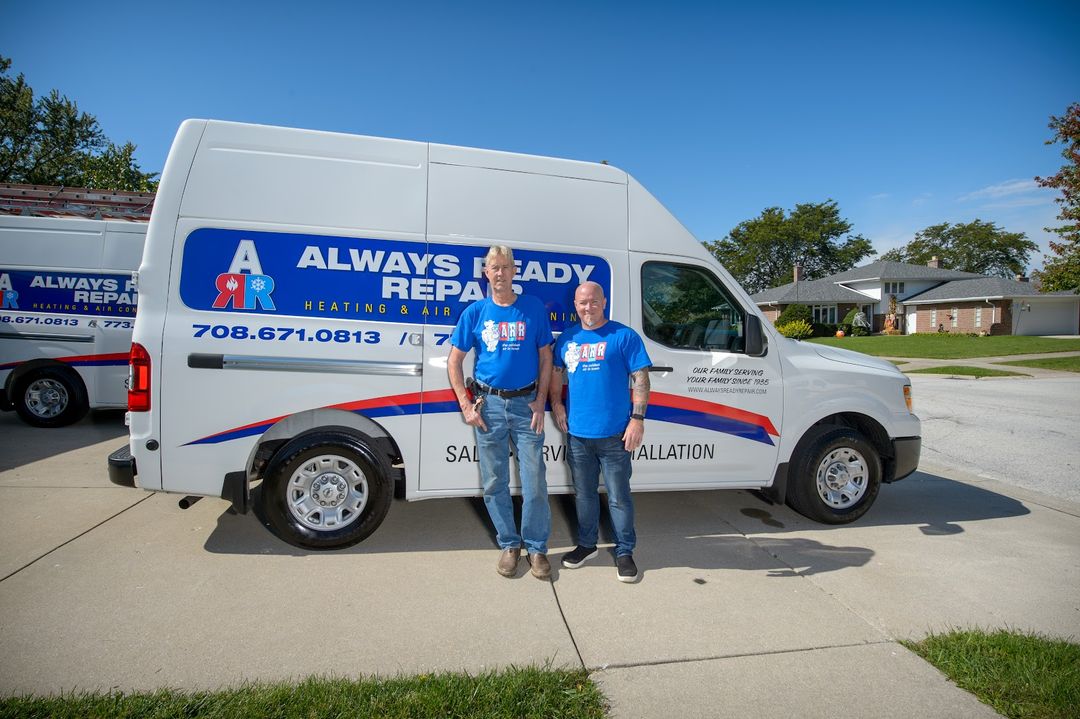
It is 1 a.m., the house is getting cold, and the furnace is doing nothing. The question is whether to call for emergency service right now or pull on a sweater and wait for morning. The answer depends on three things: safety, the temperature outside, and who is in the house.
Is a furnace going out at night an emergency?
It is an emergency if you smell gas, if a carbon monoxide detector is sounding, if the outdoor temperature is at or below freezing and the house is dropping fast, or if someone in the home is an infant, elderly or medically fragile. If none of those apply, a furnace outage can usually wait safely until morning.
When should I call right now?
- You smell gas. Leave the house first, then call your gas utility from outside. Do not flip switches on the way out.
- A carbon monoxide detector is alarming. Get everyone out and call for help. Do not go back in to investigate.
- It is below freezing and the indoor temperature is falling. Pipes can freeze once the house gets cold enough, and a burst pipe costs far more than an after-hours call.
- Someone in the house cannot safely ride out a cold night.
- You see water around the furnace, scorch marks, or smell something electrical burning. Shut the furnace off at its switch and call.
When can it wait until morning?
If the weather is mild, nobody in the house is at risk, and there is no smell or alarm, waiting is a reasonable choice. Close doors to unused rooms, use extra blankets, and call first thing. If you use a space heater, keep it away from anything that can burn and never leave it running unattended or while you sleep.
What can I check myself before calling?
A surprising share of no-heat calls turn out to be one of these, and all of them are safe for a homeowner to check:
- The thermostat is set to HEAT, the setpoint is above room temperature, and the batteries are good.
- The furnace power switch, which looks like a light switch near the unit, is on.
- The breaker has not tripped.
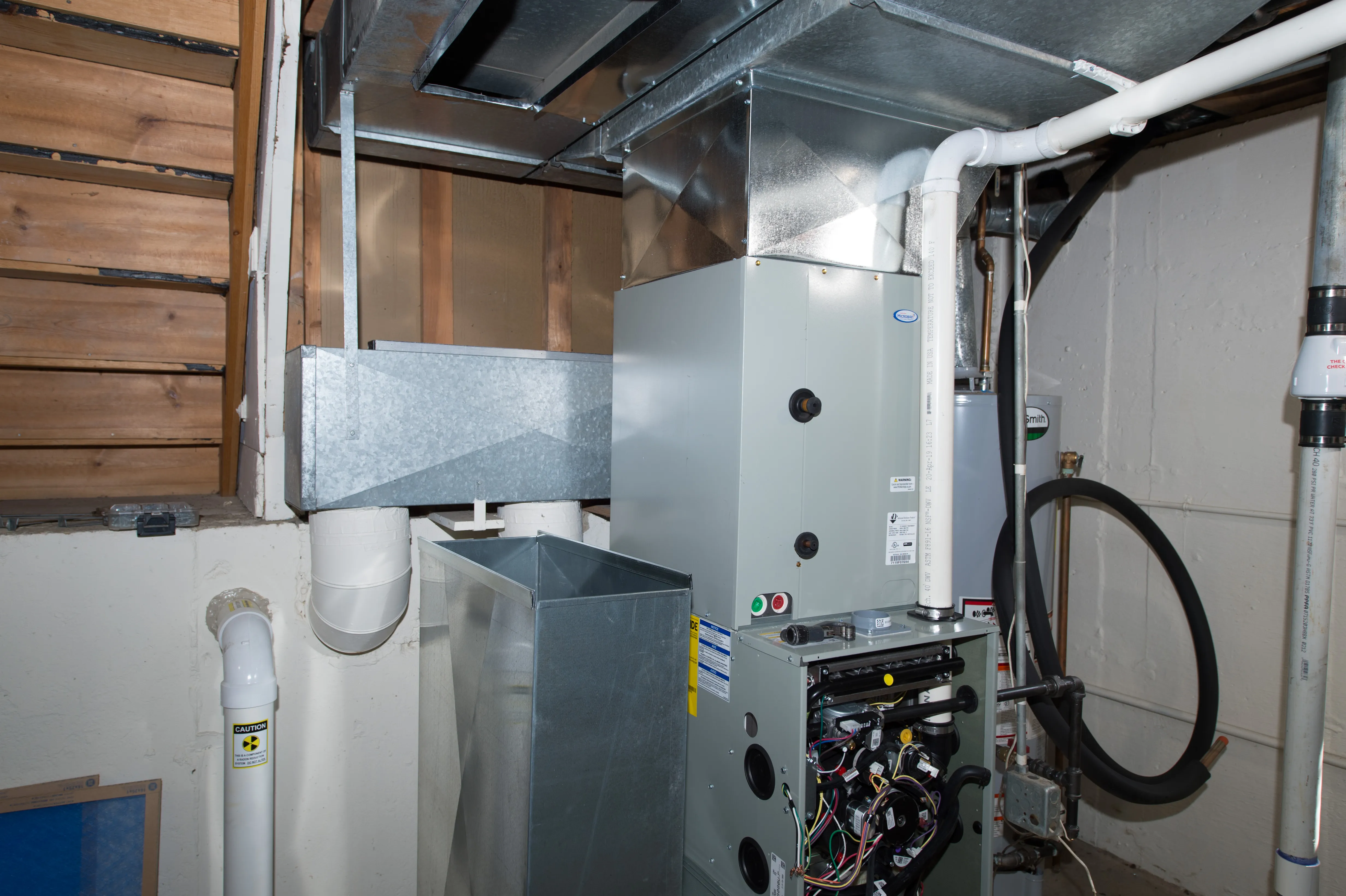
- The filter is not clogged. A blocked filter can overheat the furnace and shut it down.
- The furnace door panel is fully seated.
- On a high-efficiency furnace, the plastic intake and exhaust pipes outside are not blocked by snow or ice.
If the furnace starts and then shuts off again within a few minutes, that is short cycling, and our post on why a furnace keeps shutting off explains what it means. If it will not start at all, see what to check when a furnace won't turn on.
Should I keep resetting the furnace?
No. One reset is fine. If the furnace locks out again, it is protecting itself from something, and forcing it to keep trying can turn a small repair into a larger one.
What should I ask before an after-hours visit?
Ask whether there is an after-hours rate and what it is, and ask for the repair price in writing before the work starts. A reputable company answers both questions without hesitating.
How do I avoid the 1 a.m. breakdown in the first place?
Most night-time failures are parts that were already worn in October: igniters, flame sensors, capacitors. A fall tune-up catches them. Comfort Plan members get that tune-up scheduled automatically, plus priority scheduling when the weather turns.
No heat right now?
Always Ready Repair offers 24-hour emergency furnace repair across the southwest suburbs and Chicago's South Side. Family-owned since 1935, NATE-certified technicians, and a written price before any work begins. Call (708) 671-0813 or book service online. We serve Orland Park, Tinley Park, Palos Park and Chicago.