Is a 20-Year-Old Furnace Safe to Keep Running?

Is a 20-year-old furnace safe to keep running? The real risks, the warning signs, and when age alone is reason enough to replace.
learn more
Your furnace is 20 years old and it still heats the house. Nobody wants to replace something that works. But an old furnace raises a fair question that a new one does not: is it still safe?
Is a 20-year-old furnace safe to keep running?
A 20-year-old furnace can be safe, but only if its heat exchanger is intact, its venting is clear, and it has been inspected recently. Age alone does not make a furnace dangerous. What age does is raise the odds of the one failure that matters for safety, a cracked heat exchanger, which can let carbon monoxide into the air your family breathes.
What actually goes wrong in an old furnace?
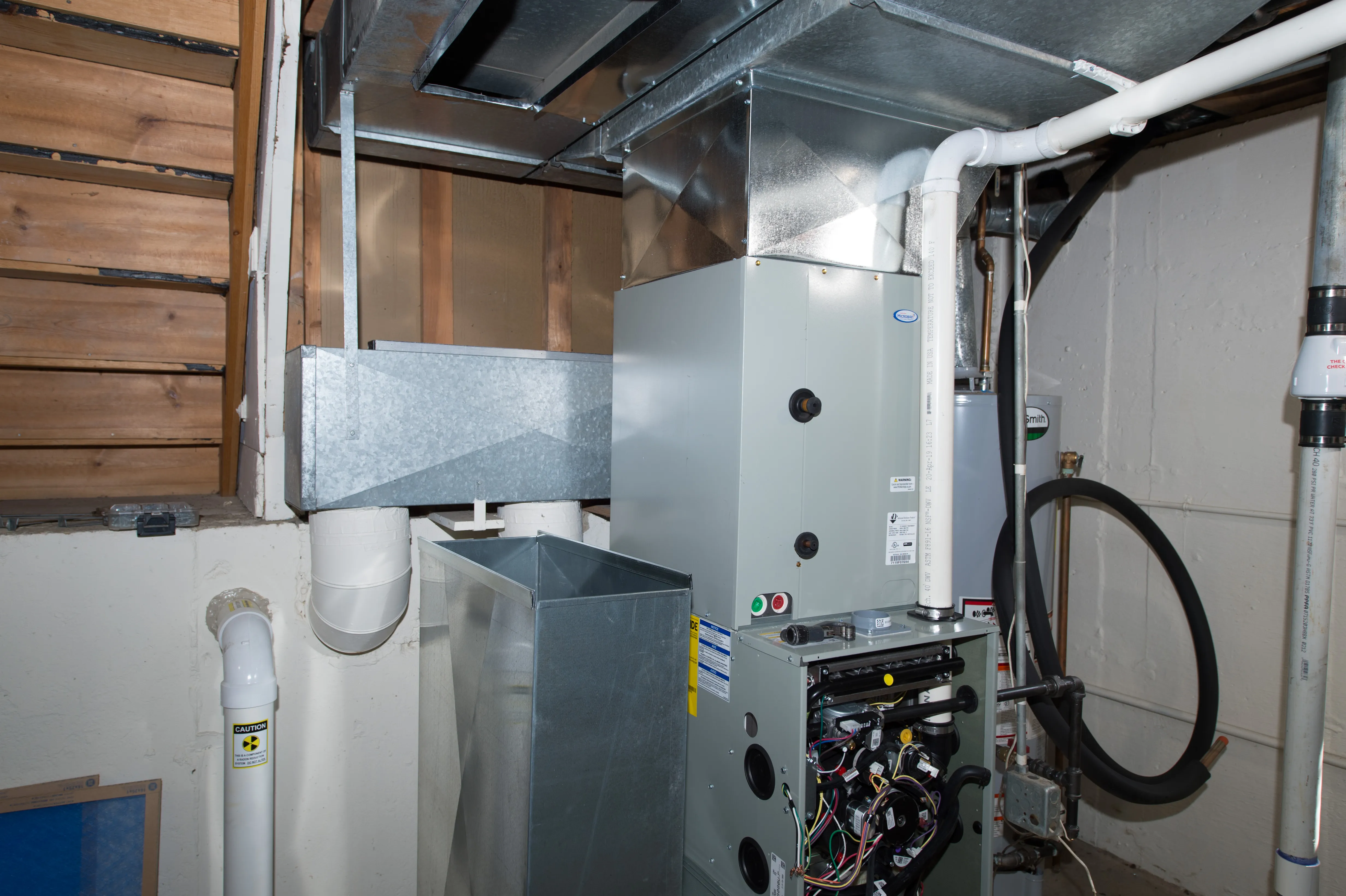
The heat exchanger is the metal chamber that keeps combustion gases separate from the air blown through your home. It expands when the burners fire and contracts when they shut off, thousands of times every winter. After enough years, the metal can crack. Short cycling, a dirty filter and poor airflow all speed that up.
The other age-related risk is venting. Older furnaces often vent into a chimney, and a deteriorated flue or liner can let exhaust spill back into the house.
What are the warning signs?
- A carbon monoxide detector that has alarmed, even once. Get out and call. Do not assume it was a false alarm.
- A burner flame that is yellow or flickering instead of steady blue.
- Soot or scorch marks around the furnace or its vent.
- A boom or bang at startup. Our guide to furnace noises explains why that one matters.
- Headaches, nausea or flu-like symptoms that ease when you leave the house.
- Rust or water around the furnace or flue.
Do I need carbon monoxide detectors?
Yes, on every level of the home and near sleeping areas, whatever the age of the furnace. Test them and replace them on the schedule printed on the unit. With an older furnace, this is not optional.
How long does a furnace last in the Chicago area?
Most furnaces give 15 to 20 years of service. Ours run hard, from October into April, so a furnace here does more work in a year than the same model in a milder climate. At 20 years, yours is at or past the end of its expected life even if it is still running.
Should I replace it just because it is old?
Not automatically. We are a repair-first company. A 20-year-old furnace that passes a combustion and heat exchanger inspection can keep running, and we will tell you so. But at this age it makes sense to plan the replacement rather than wait for the failure, for three reasons:
- It will fail on the coldest night, when you have the least time to compare options.
- Repairs stop making financial sense. Our rule of thumb is that on a furnace 15 years or older, a repair of about $600 or more is the point to price a replacement instead.
- It costs more to run. A furnace from the mid-2000s typically turns less of your gas into heat than a current high-efficiency model.
Our post on repairing or replacing an older furnace has the full math, and you can see installed prices before anyone visits on our Instant Pricing page.
What should I do this week?
- Check that you have working carbon monoxide detectors on every level.
- Change the filter.
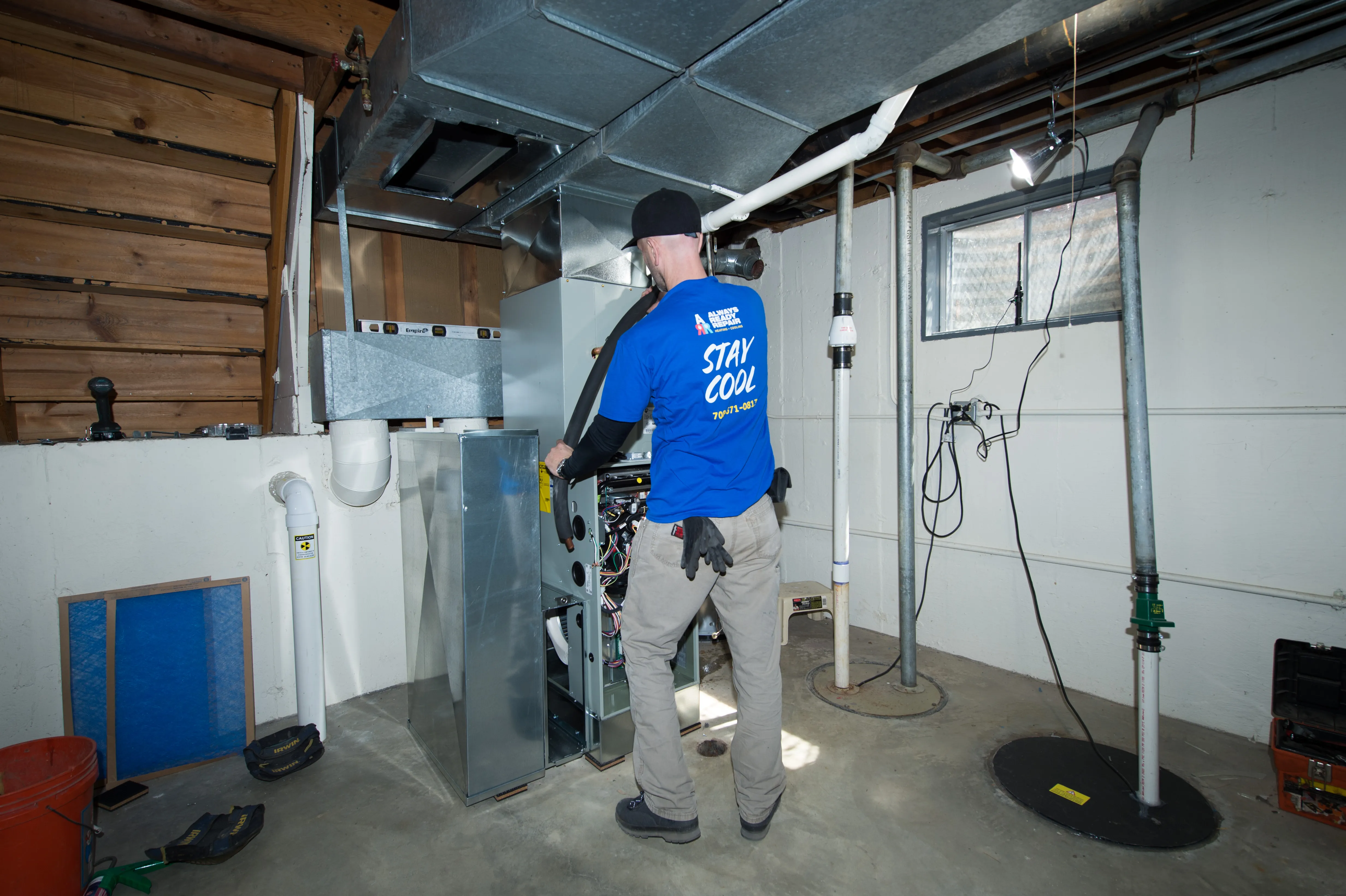
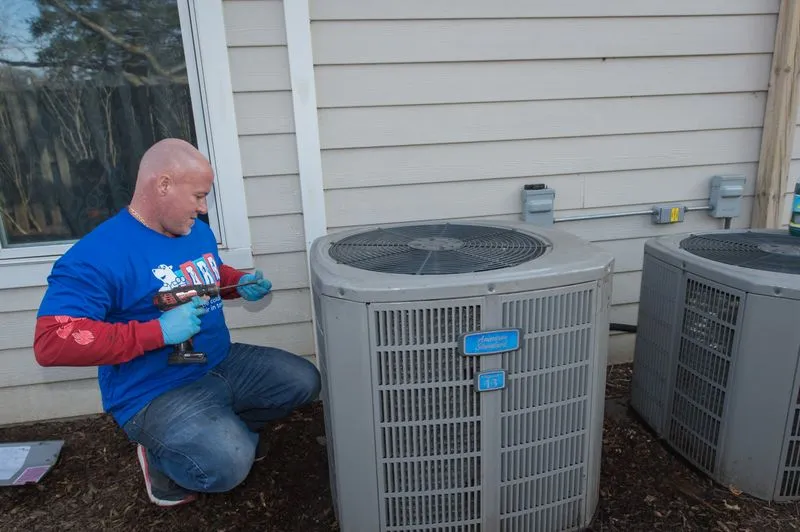
- Book a safety inspection that includes the heat exchanger and the venting, not just a filter change.
Get it checked
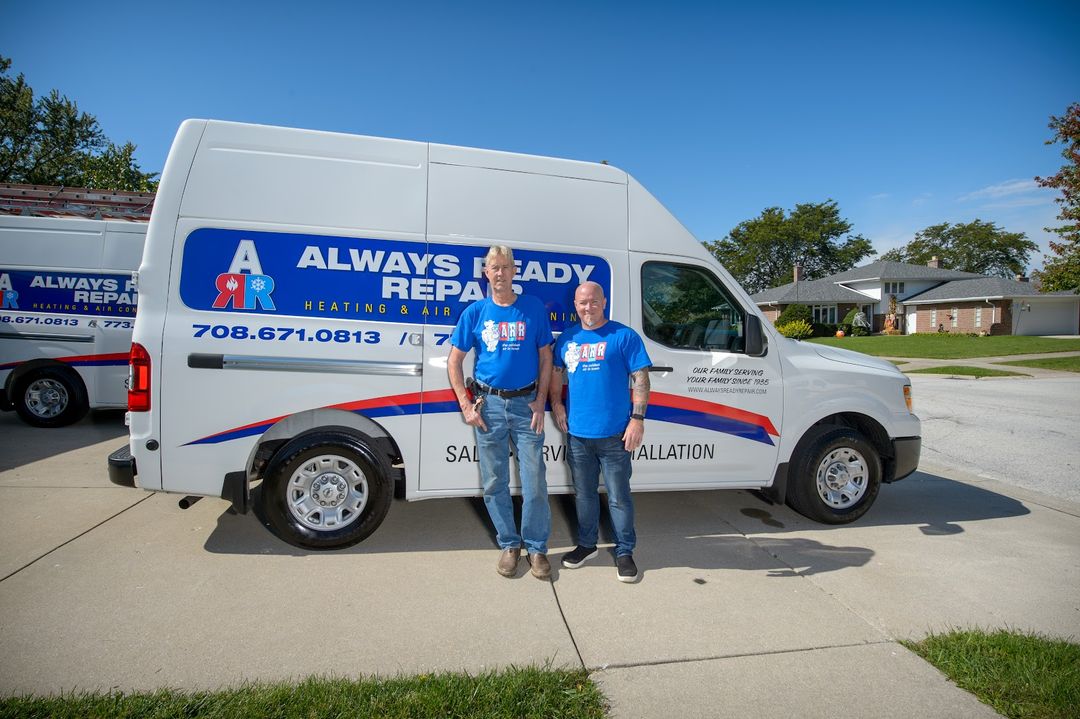
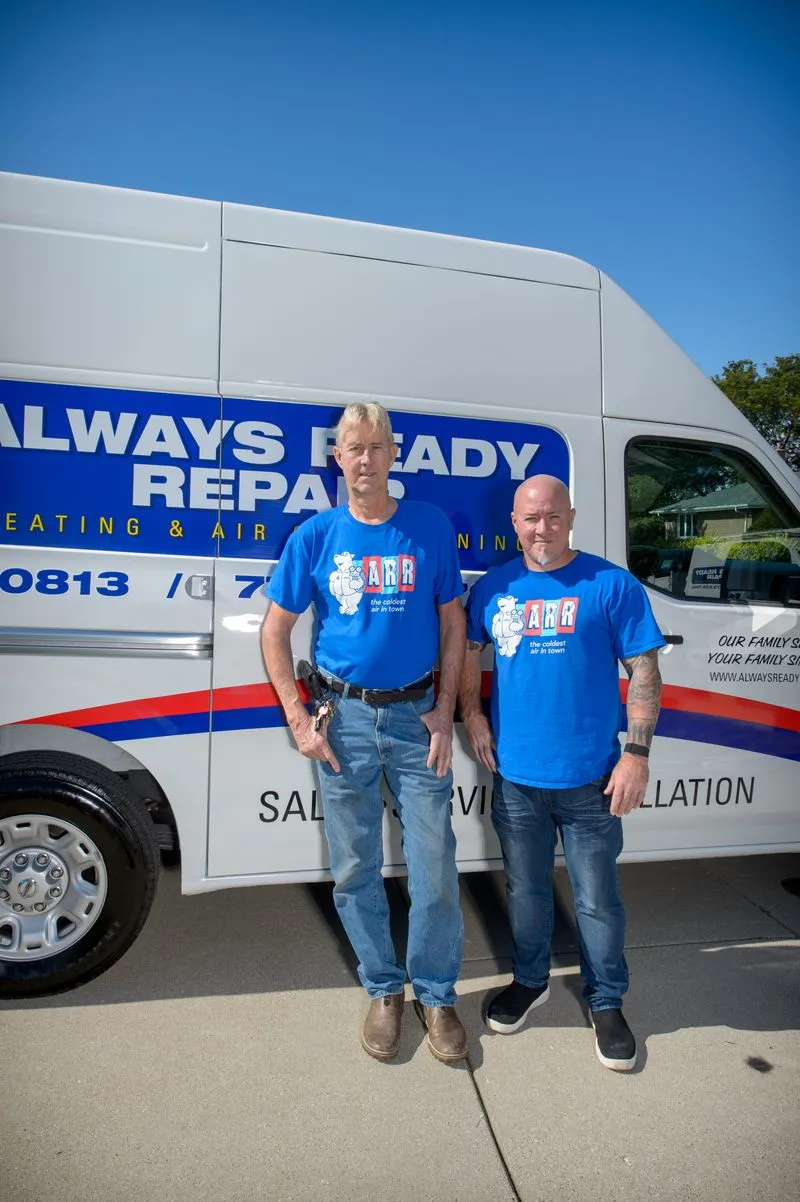
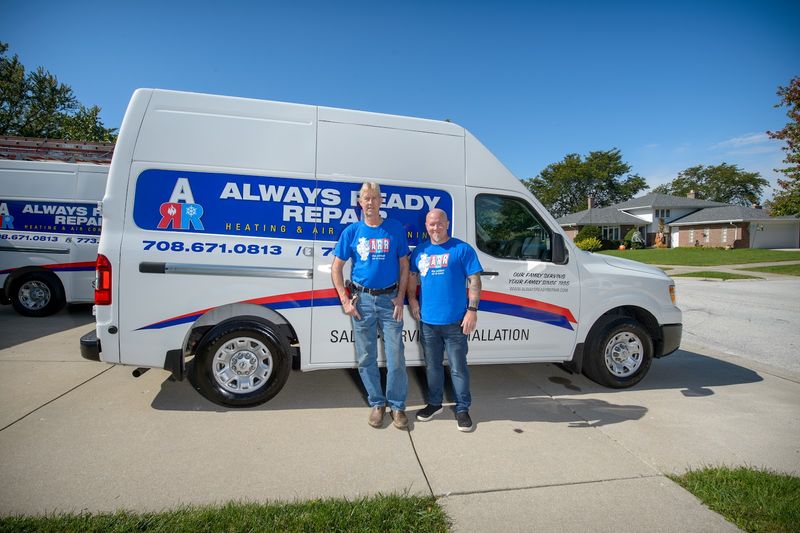
Always Ready Repair has been inspecting and repairing furnaces in the southwest suburbs since 1935. Our NATE-certified technicians will tell you honestly whether your furnace is safe to run and how long we think it has. Book a furnace inspection or call (708) 671-0813. We serve Orland Park, Tinley Park, Palos Park and the surrounding suburbs.