Ductless Mini-Split vs. Central AC: Which Is Right for Your Home?

Compare ductless mini-splits and central AC units to choose the best cooling system for your home, budget, and comfort needs.
learn more
Ductless Mini-Split vs. Central AC: Which Is Right for Your Home?
When deciding how to keep your home cool, you have two main options: a ductless mini-split system or a central air conditioning unit. Both systems have their own strengths, and choosing the best one depends on your home’s layout, your budget, and your comfort needs. This guide will help you understand the differences clearly so you can make the right choice.
What is a Ductless Mini-Split System?
A ductless mini-split system has an outdoor compressor and indoor units installed in different rooms. These indoor units are connected to the outdoor unit by refrigerant lines. Unlike traditional air conditioning, mini-splits don't need ducts, making them perfect for homes without existing ductwork or for specific areas like garages, additions, or sunrooms.
Benefits of Ductless Mini-Splits
- Easy Installation: Quick and less intrusive because no ductwork is required.
- Energy Savings: No ducts mean no energy lost from leaks, saving you money on your energy bill.
- Individual Room Control: You can control the temperature separately in each room.
- Quiet Operation: Units are quiet, perfect for bedrooms or offices.
Drawbacks of Ductless Mini-Splits
- Higher Initial Cost: The upfront installation cost can be higher.
- Visible Units: Indoor units are installed on walls or ceilings and may impact your home’s appearance.
What is a Central Air Conditioning System?
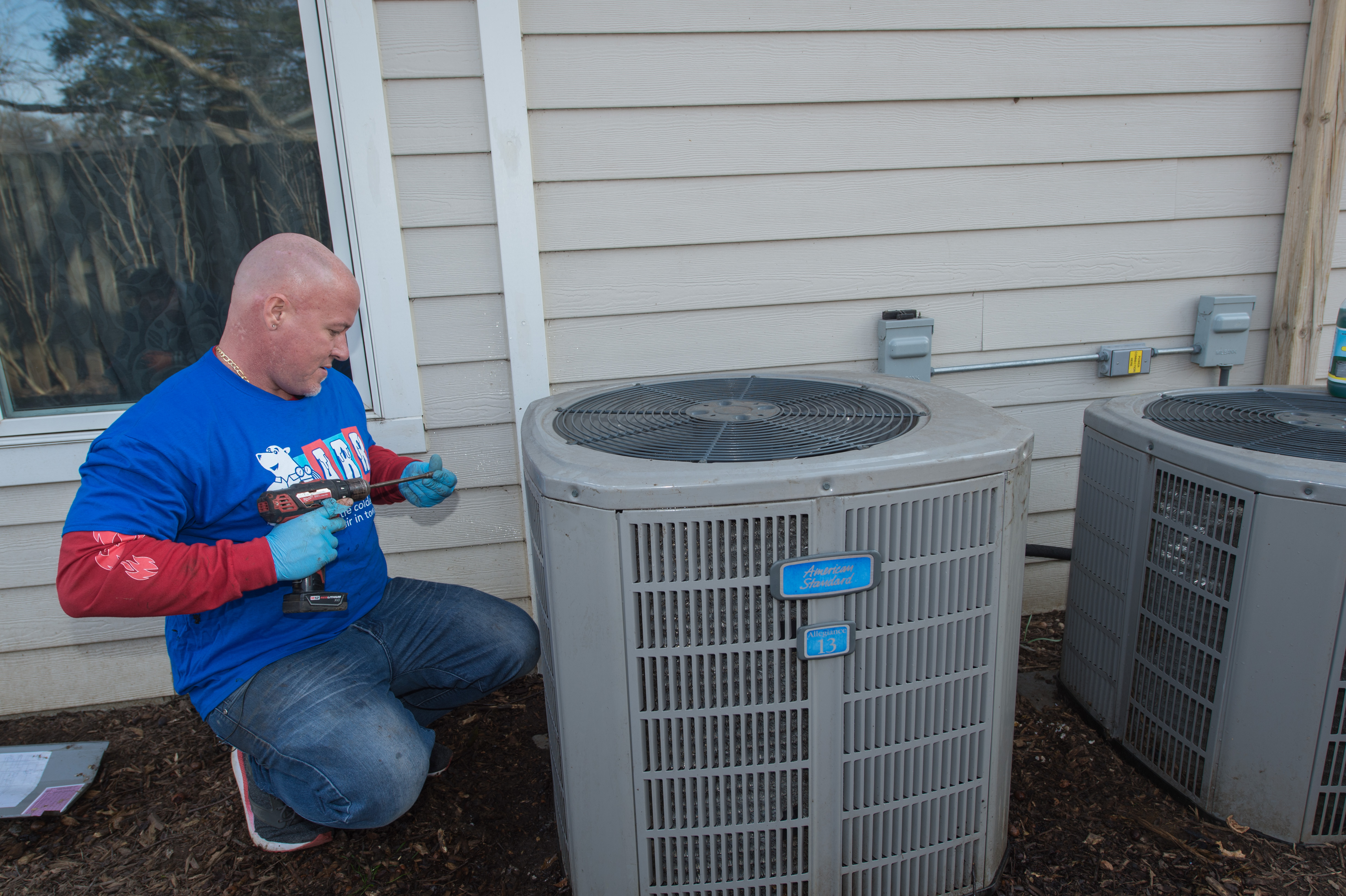
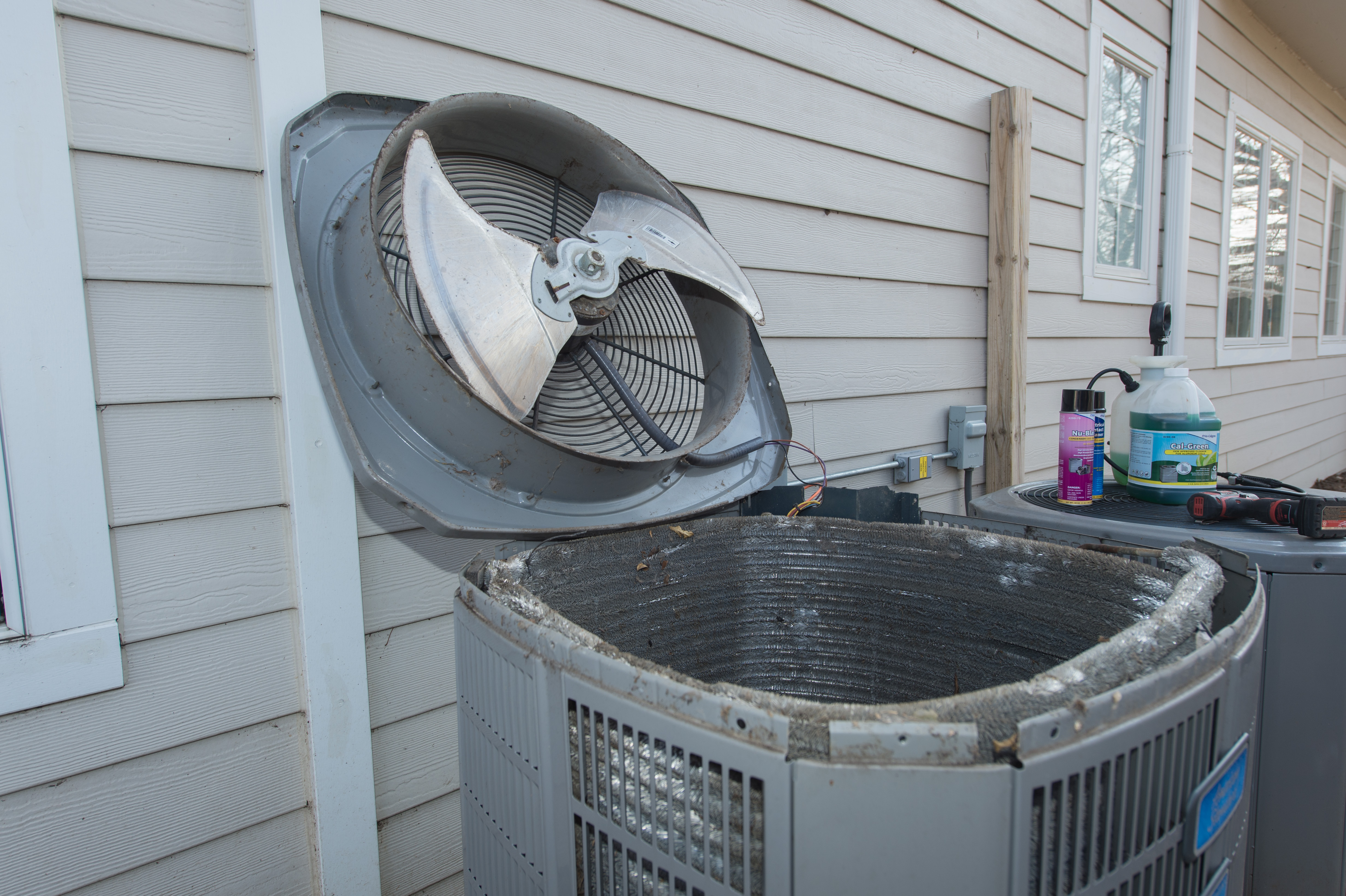
A central air conditioning system cools air at a central location and distributes it through ducts in your home. It usually has an outdoor unit connected to an indoor evaporator coil. Air moves through ducts to cool your entire house evenly.
Benefits of Central AC
- Consistent Cooling: Provides uniform cooling throughout your entire home.
- Discrete Appearance: Only vents are visible inside rooms.
- Improved Air Quality Control: Central AC often includes air filtration systems that remove allergens and improve air quality.
Drawbacks of Central AC
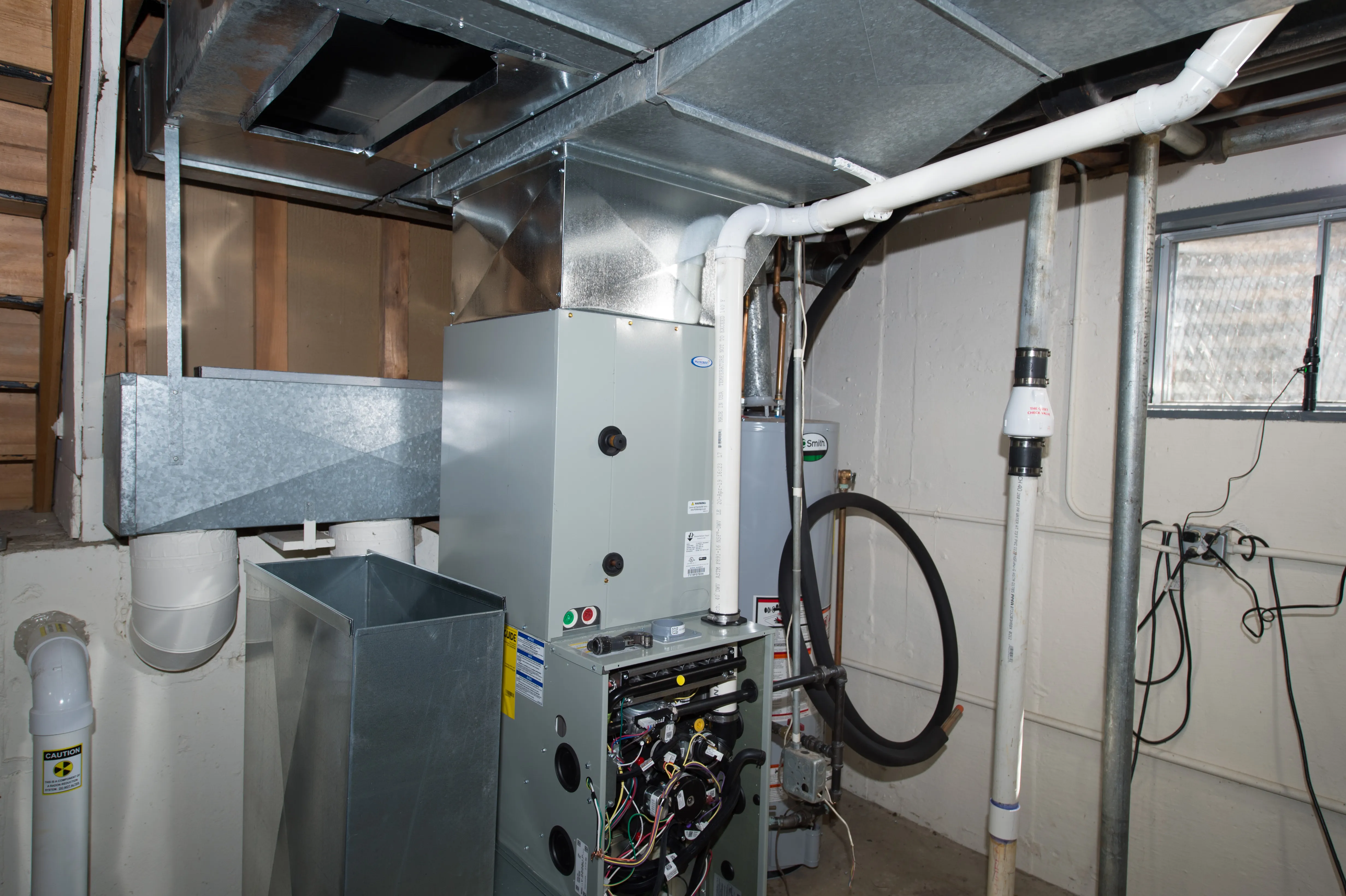
- Needs Ductwork: Installation can be expensive if your home doesn't already have ducts.
- Energy Loss: Air can escape through leaks in ducts, making the system less efficient.
- Limited Zoning: Difficult and costly to control the temperature room-by-room.
Factors to Consider When Choosing
1. Home Layout
If your home doesn't have ducts, a ductless mini-split is usually the easiest and most practical choice. For homes with existing ductwork, a central AC system might be simpler and more affordable.
2. Budget
Think about both the initial cost and the long-term savings on your energy bill. Ductless systems cost more at first but often save more money over time.
3. Comfort and Control
If you want to control temperatures differently in various rooms, ductless mini-splits are best. Central AC offers uniform cooling but limited control over different areas.
4. Appearance
Central AC systems are less noticeable indoors since they only require vents. Mini-split systems have visible units in each room.
Long-term Costs
When considering long-term costs, ductless systems typically offer greater energy efficiency because they don't have ducts where air can leak. Central AC systems might have lower upfront costs, especially if your home already has ductwork, but the ongoing energy bills could be higher.
Maintenance
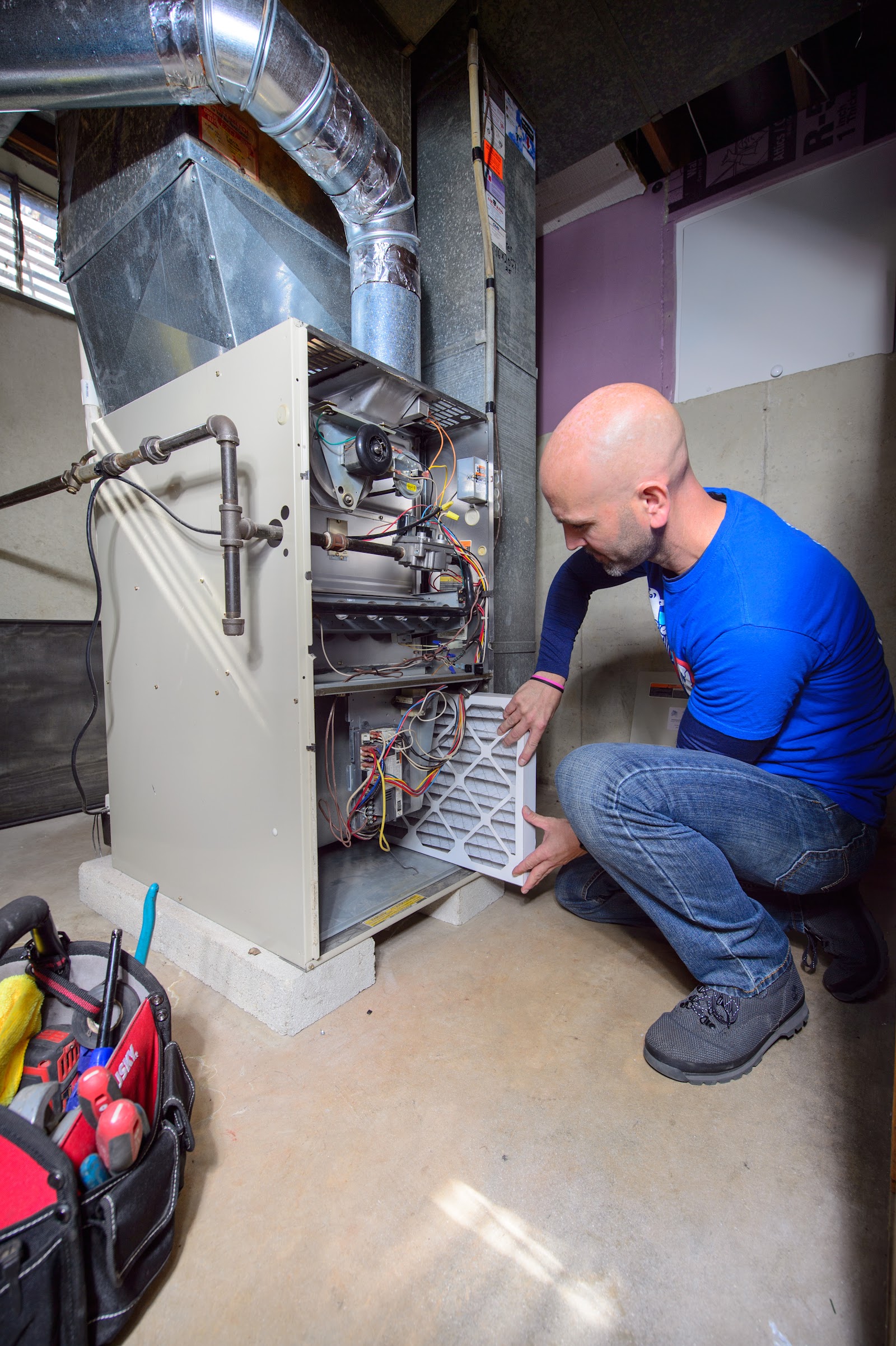
Both systems require regular maintenance. Central AC systems need regular filter changes, duct inspections, and cleaning. Ductless mini-splits need filter cleaning and periodic checks on refrigerant lines and connections.
Heating Options
Some mini-split systems also work as heat pumps, meaning they can provide both heating and cooling. This dual function is useful in areas with mild winters.
Air Quality
Central AC systems often have better air filtration options, removing more allergens and dust from your home. Ductless systems improve air quality by eliminating duct-related problems like mold and dust.
Additional Terms You Should Know
- Cooling System: Any system that cools indoor air.
- Heat Pumps: Systems providing both heating and cooling.
- HVAC System: Heating, Ventilation, and Air Conditioning system.
- Central Air Conditioner: Another term for central AC.
- AC Unit: A general term for air conditioning devices.
- Evaporator Coil: A key part of central AC that cools the air.
- Air Filter: Removes dust and particles from the air.
- Refrigeration Lines: Connect indoor and outdoor units in a ductless system.
Helpful Resources
For more detailed comparisons and information, check these resources:
- Energy Star Guide on Central Air Conditioners
- Energy.gov: Heat Pump Systems
- EPA Guide on Indoor Air Quality
Final Thoughts
Both ductless mini-splits and central AC units are great options. Choosing the right one depends on your home’s unique needs, budget, and preferences. Consider your current home setup, long-term costs, comfort requirements, and aesthetic preferences before deciding.
Get Professional Help
Still unsure? Always Ready Repair is here to assist you. Contact our experienced HVAC professionals to discuss your needs and find the perfect cooling solution for your home. We'll help you make a smart decision tailored specifically to your comfort and budget.
Mini-Split vs. Central AC: Common Questions
Is a ductless mini-split cheaper than central air?
It depends on your home. If you already have ductwork in good condition, central air is often the more economical choice. If you have no ducts, or you are cooling an addition, garage, or a few specific rooms, a ductless mini-split is usually cheaper to install because there is no ductwork to add. Mini-splits also tend to cost less to run month to month thanks to their high efficiency and zoned control.
Can a mini-split both heat and cool my home?
Yes. Ductless mini-splits are heat pumps, so they provide both air conditioning in the summer and efficient heating in the winter from a single system. That makes them a popular all-in-one option for Chicago-area homes, and they qualify for many of the same energy rebates as other heat pumps.
How many rooms can one mini-split cover?
A single outdoor unit can connect to multiple indoor air handlers, often four to eight, each controlling its own room or zone. That zoned control lets you cool or heat only the spaces you are using, which lowers energy bills compared to a central system that conditions the whole house at once.
Should I choose a mini-split or central air for my home?
Choose central air if you have existing ductwork and want even cooling throughout the home. Choose a ductless mini-split if you lack ducts, want room-by-room temperature control, or need to cool an addition or hard-to-reach space. Always Ready Repair will assess your home in Palos Park, Orland Park, Tinley Park, or the surrounding suburbs and recommend the right fit, with transparent pricing and financing options.