Beat the Heat: Your Complete Summer AC Prep Guide for Orland Park Homeowners

Prep your AC now to beat Orland Park heat, lower bills & avoid breakdowns. Schedule your tune-up with Always Ready Repair today!
learn more.jpeg)
Chicagoland summers don't ease in gently. One week you're cracking the windows in May, and the next a 95-degree heat wave rolls across Orland Park with humidity that makes the air feel like a wet wool blanket. When that first stretch of brutal heat hits, your air conditioner goes from "barely used" to "running nonstop" overnight, and that sudden demand is exactly when tired, neglected HVAC systems give out.
The good news: most mid-summer breakdowns are preventable. A little attention now, before the worst of the season, keeps your home comfortable, your energy bills in check, and your family out of the no-AC-in-August nightmare. As a family-owned company serving Orland Park and the surrounding communities since 1935, we've seen what separates the homes that sail through summer from the ones that don't. Here's everything you need to know to get your heating and cooling systems ready.
Why Summer Prep Matters More Than You Think
Your AC system is a mechanical system, and like your car, it performs best when it's maintained before it's pushed hard, not after something breaks. Through a Chicago winter, your central air conditioning system sits dormant for months. Dust settles on the evaporator coil and condensing coil, refrigerant levels can drift, electrical connections loosen with temperature swings, and small problems you'd never notice quietly get worse.
Then summer arrives, and the system is suddenly asked to run for ten, twelve, or even sixteen hours a day. That's when those small issues turn into failures, almost always during a heat wave, almost always at the worst possible time, and almost always more expensive than the tune-up that would have caught them. Prepping in late spring or early summer means you find the weak points on your schedule, not the system's.
Step 1: Beat the Heat — Get Your AC Ready Before You Need It
Start with the things you can do yourself, then bring in a professional for the parts that matter most.
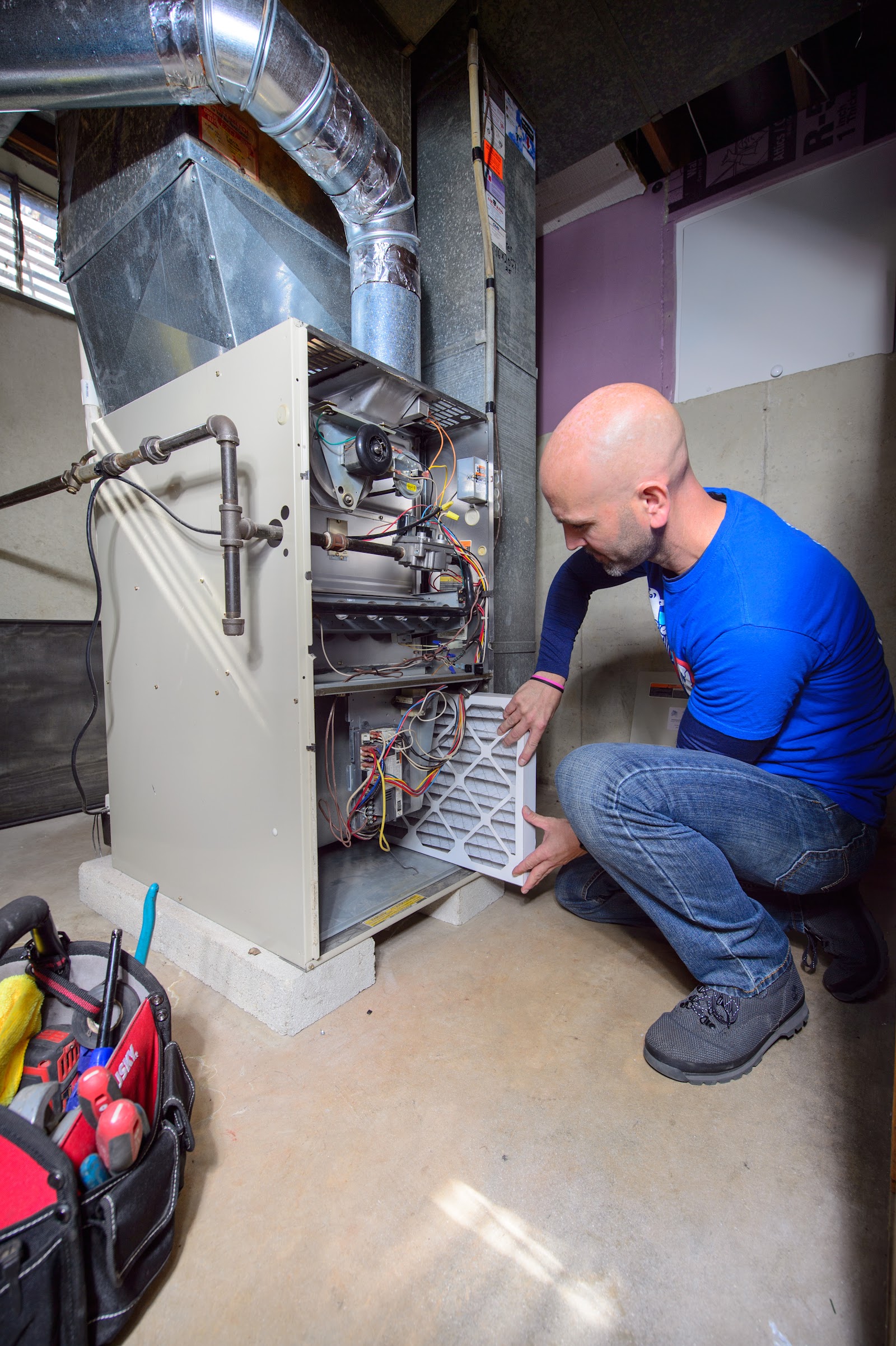
Replace your air filter. This is the single most impactful thing a homeowner can do. A clogged filter chokes airflow, forces your system to work harder, and is one of the most common causes of summer breakdowns. Check it monthly during the cooling season and replace it every one to three months, depending on the filter type, pets, and household dust.
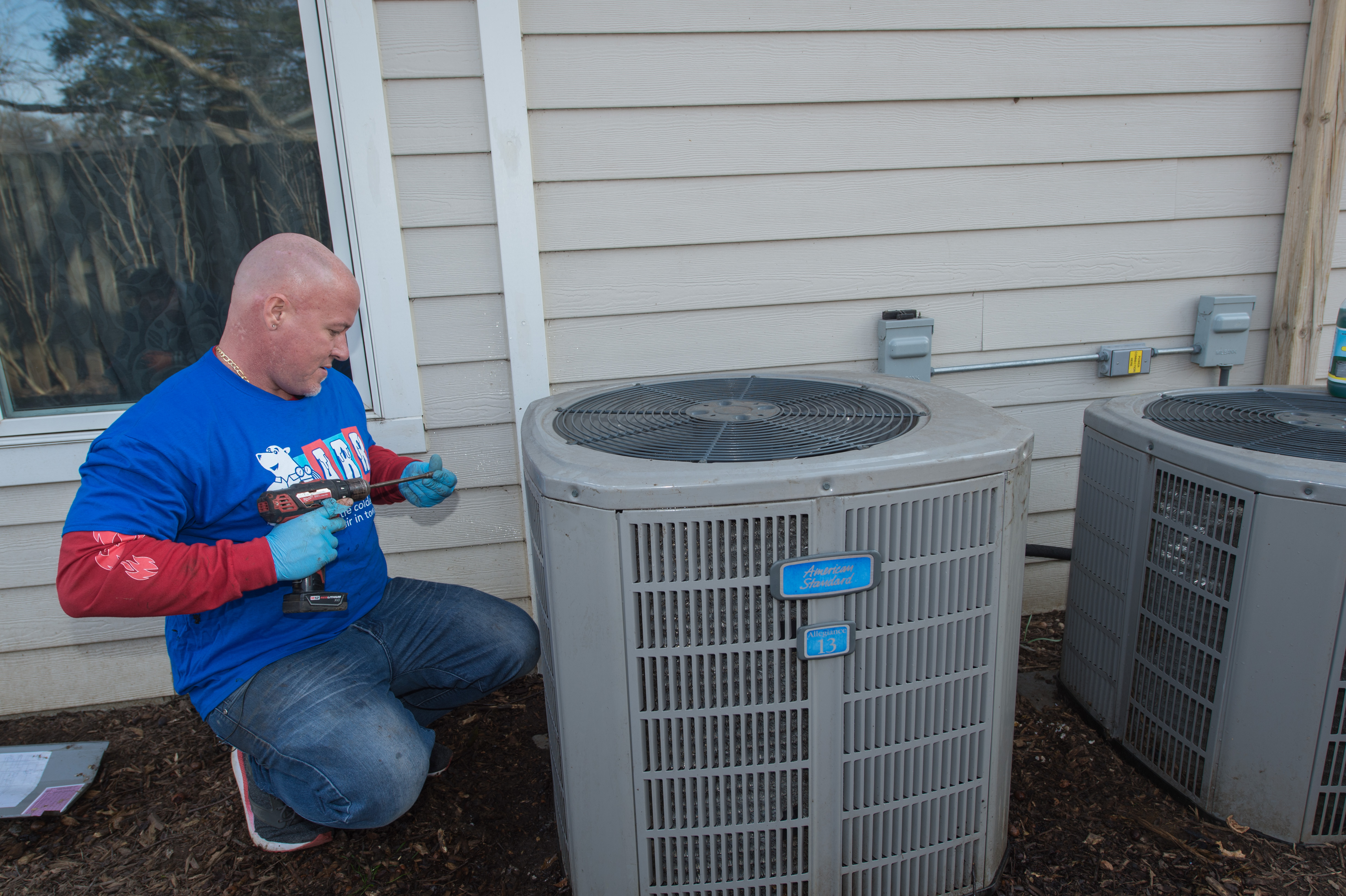
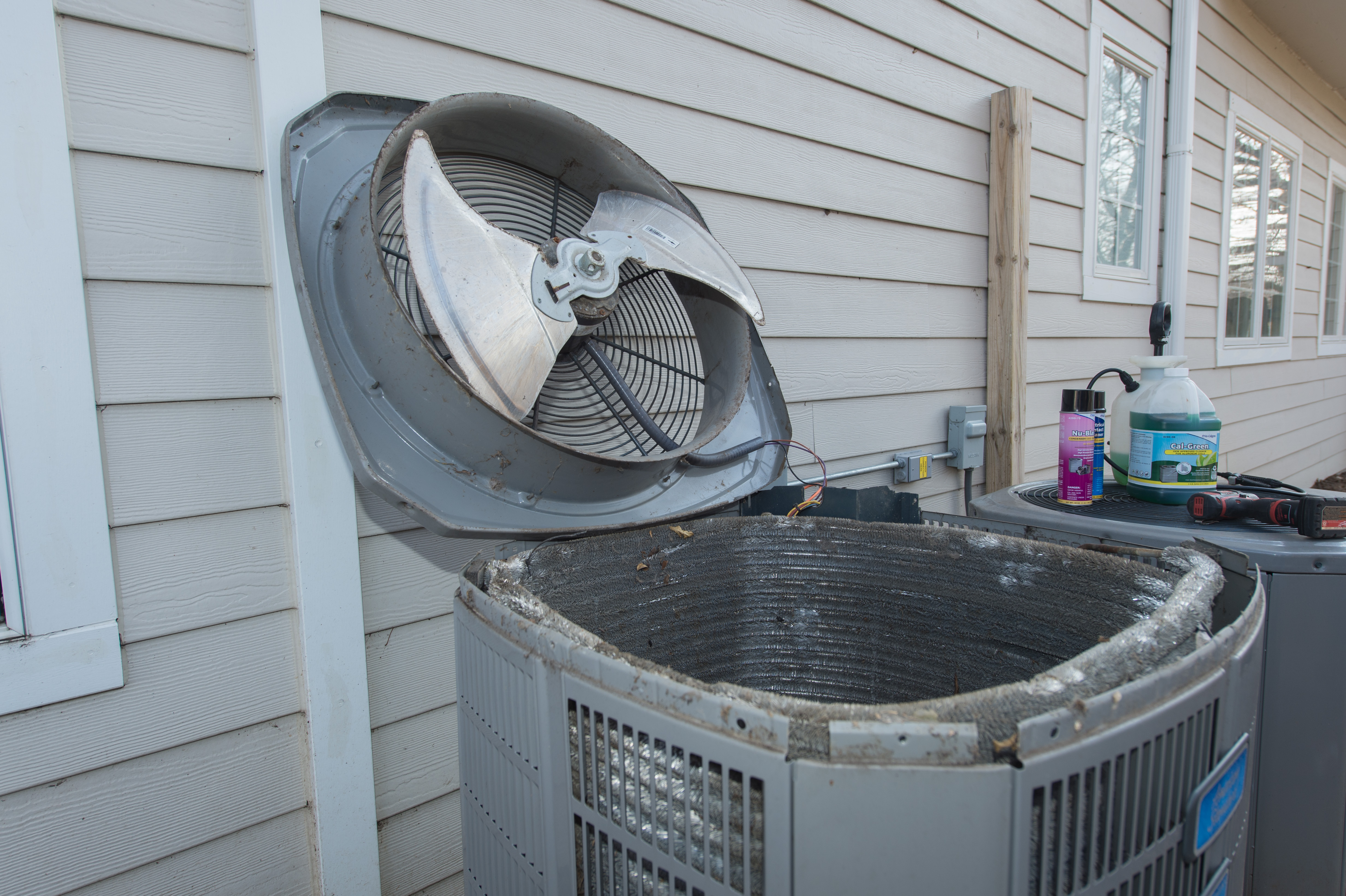
Clear the outdoor unit. Most AC units are split systems, which means they rely on an outdoor unit and an indoor unit working together. The outdoor unit needs room to breathe. Over winter and spring, it collects leaves, grass clippings, cottonwood fluff, and dirt. Gently clear debris and trim back any plants, shrubs, or grass within two feet on all sides. Good airflow around the condensing coil directly affects how efficiently the system cools.
Check your vents and registers. Make sure supply and return vents inside your home aren't blocked by furniture, rugs, or curtains. Your air handler needs to freely circulate cool air to every room. Restricted airflow makes rooms uneven and your system inefficient.
Test it early. Don't wait for the first 90-degree day to find out your AC won't start. On a mild day, switch the thermostat to cool and let it run. Listen for odd noises, feel for cold air at the vents, and watch for short cycling (turning on and off rapidly). If anything seems off, you have time to address it calmly rather than in a crisis.
Schedule a professional tune-up. This is where the real protection comes in. A licensed technician will check refrigerant levels, inspect and clean the evaporator coil and condensing coil, test electrical components and capacitors, verify the thermostat is calibrated, clear the condensate drain line, and catch wear before it becomes a failure. A professional tune-up is the difference between a system that might make it through summer and one you can count on for the long term.
Step 2: Lower Your Energy Bills All Season Long
Cooling is the biggest driver of summer electric bills for most homes in Orland Park. The encouraging part is that comfort and energy savings usually go hand in hand. A system that runs efficiently keeps you cooler and costs less.
Get a programmable or smart thermostat. If you're still running a basic manual thermostat, this is one of the best low-cost upgrades available. Setting your home a few degrees warmer while you're at work and cooler when you're home can meaningfully trim cooling costs over a season without sacrificing comfort. Smart models learn your routine and adjust automatically.
Mind the small degrees. Every degree lower on the thermostat increases your cooling costs. Finding the highest temperature that still feels comfortable—and using ceiling fans to feel cooler without dropping the setting—adds up over three months of summer.
Seal and insulate. Cool air leaking out through gaps around doors, windows, and ductwork is money leaving your home. Weatherstripping, caulk, and proper attic insulation help your AC system hold the temperature it works so hard to reach.
Use blinds and curtains strategically. Closing blinds on sun-facing windows during the hottest part of the day keeps radiant heat out and reduces how hard your system has to work.
Keep up with maintenance. A clean, well-tuned system simply uses less energy to do the same job. A dirty evaporator coil or low refrigerant can quietly raise your bills all summer while you wonder why the house never quite feels cool enough.
Step 3: Avoid the Mid-Summer Breakdown
There's never a convenient time for your AC to fail, but the heat waves that knock out systems are precisely when every HVAC company is busiest. Prevention keeps you off that waiting list.
Watch for the early warning signs your system gives before it fails: weak or warm airflow, unusual noises (grinding, squealing, or banging), strange smells, water pooling around the indoor unit, frequent on-off cycling, or a noticeable jump in your energy bill. Any of these is your system asking for attention, and addressing it early is almost always cheaper and less disruptive than waiting for a full breakdown.
Pay attention to your system's age, too. Most central air conditioning systems last around 12 to 15 years. If yours is in that range and starting to need repairs, it's worth having a conversation about your options before it leaves you without cooling on the hottest day of the year.
And when something does go wrong unexpectedly, you want a company that answers. We offer emergency service for exactly these moments because a hot, humid Orland Park night with no working AC shouldn't wait until next week.
Step 4: When Repair Isn't the Answer — Upgrading Your System
Sometimes the smartest money isn't spent on another repair. If your air conditioner is more than 12 to 15 years old, needs frequent or expensive repairs, struggles to keep up, or runs on older refrigerant that's being phased out, a new system can pay for itself in comfort and efficiency.
Today's high-efficiency HVAC systems cool more evenly, run more quietly, and use significantly less energy than equipment from even a decade ago, which means lower monthly bills for years to come. If you're considering a change, it's worth noting that a heat pump heats and cools, offering a single-system solution that delivers excellent energy savings, especially for homes with existing ductwork or those considering ductless split systems. Pairing a new system with a smart thermostat and properly sealed ducts multiplies those gains.
We know a new system is a meaningful investment, which is why we'll walk you through your options honestly, including financing, and help you weigh the real cost of keeping an aging system limping along versus the long term savings and reliability of an upgrade. No pressure, no upselling; just a straight answer about what makes sense for your home, your cooling capacity needs, and your budget.
Cool, Comfortable, and Ready for Summer
Summer in Orland Park is for backyards and block parties, not for sweating through a breakdown or dreading opening an energy bill. A little preparation now, a fresh filter, a clear outdoor unit, a professional tune-up, and a plan for your AC units are what keep your home comfortable from the first heat wave to the last.
For four generations, our family has kept Orland Park homes cool, and we'd be glad to help keep yours running strong this summer. Schedule your summer tune-up today, and if the heat ever catches your system off guard, remember our emergency service is here when you need us.
Family owned and trusted since 1935 — proudly serving Orland Park and the surrounding communities.